
Headache Relief
Headache Relief: Modern, Root-Cause Treatment for Lasting Comfort and Clarity
Headaches are among the most common neurological complaints in modern life, yet they remain one of the most misunderstood. For many people, the default response is temporary painkillers or short-term fixes that never truly resolve the issue. But recurring headaches are rarely random they are signals from the body that something deeper is out of balance.
At Winter Park Regenerative Medicine, headache treatment focuses on finding and treating the root cause using regenerative and neuromuscular therapies for lasting relief. This guide explains why headaches happen and how advanced care helps reduce them long-term.
Schedule a Free Consultation

What Is the Best Treatment for Headache Relief?
The most effective headache treatment is a root-cause approach, not just pain suppression. At Winter Park Regenerative Medicine, this includes:
- Regenerative medicine therapies
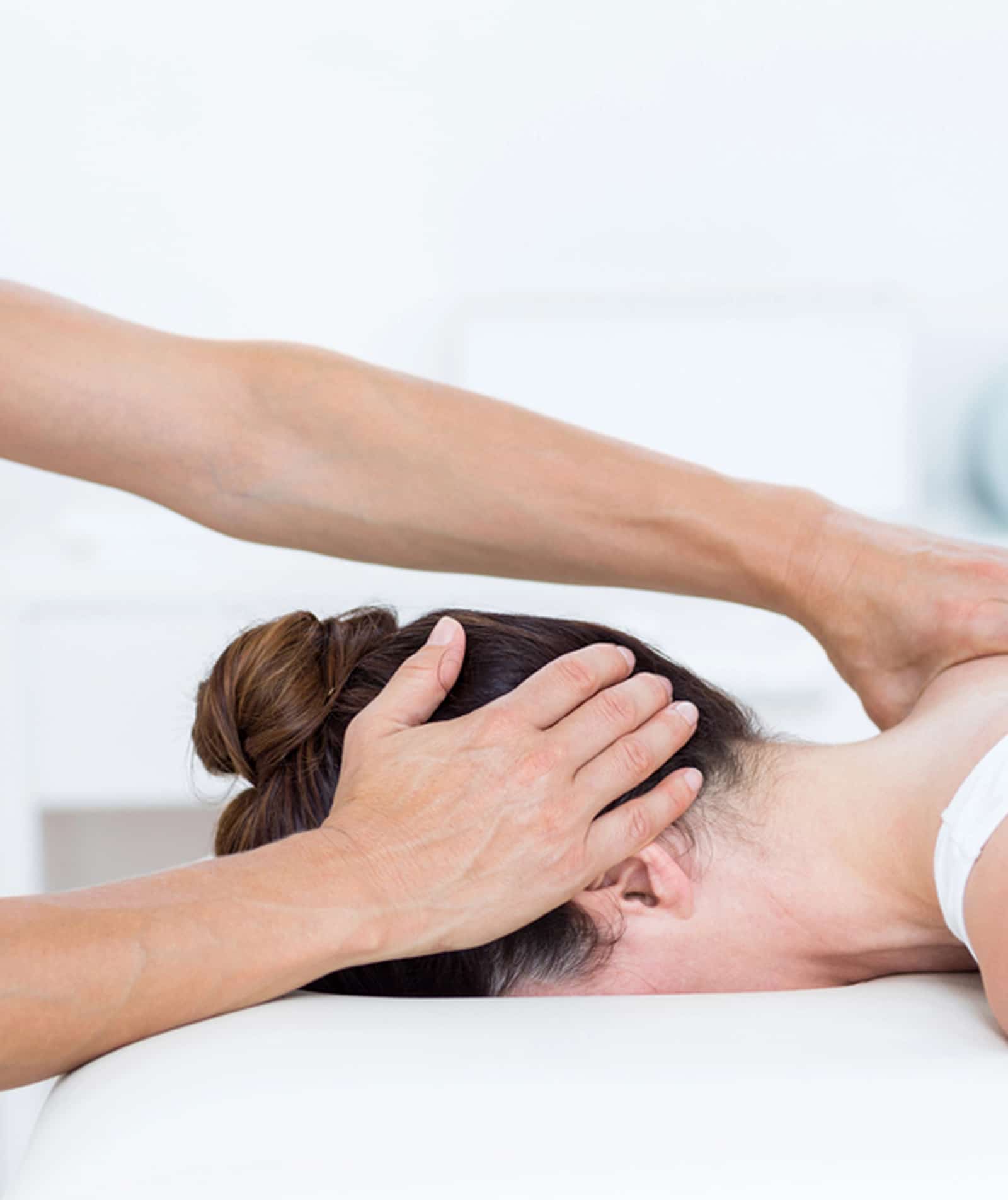
- Neuromuscular and spinal correction
- IV nutrient therapy
- Lifestyle and functional health optimization
This combination helps reduce both frequency and severity of headaches over time.
Why Do Headaches Happen? (Root Causes Explained)
Headaches occur due to dysfunction in muscles, nerves, circulation, or lifestyle patterns.
Common causes include:
- Stress and mental fatigue
- Poor posture (tech neck)
- Dehydration and nutrient deficiency
- Hormonal imbalance
- Sleep disruption
- Environmental triggers (light, noise, weather)
- Neck or spinal misalignment
What Are the Main Types of Headaches?
1: What is a tension headache?
A tension headache feels like tight pressure or a band around the head, usually caused by stress or muscle tension.
2: What is a migraine headache?
A migraine is a severe, throbbing headache often with nausea, light sensitivity, and visual changes.
3: What is a cluster headache?
A cluster headache is intense pain around one eye that occurs in cycles.
4: What is a cervicogenic headache?
A cervicogenic headache originates from neck or spinal issues.
5: What is a sinus headache?
A sinus headache causes facial pressure due to sinus inflammation.
What Are the Main Types of Headaches?
1: What is a tension headache?
A tension headache feels like tight pressure or a band around the head, usually caused by stress or muscle tension.
2: What is a migraine headache?
A migraine is a severe, throbbing headache often with nausea, light sensitivity, and visual changes.
3: What is a cluster headache?
A cluster headache is intense pain around one eye that occurs in cycles.
4: What is a cervicogenic headache?
A cervicogenic headache originates from neck or spinal issues.
5: What is a sinus headache?
A sinus headache causes facial pressure due to sinus inflammation.
What Are the Fastest Ways to Get Headache Relief?
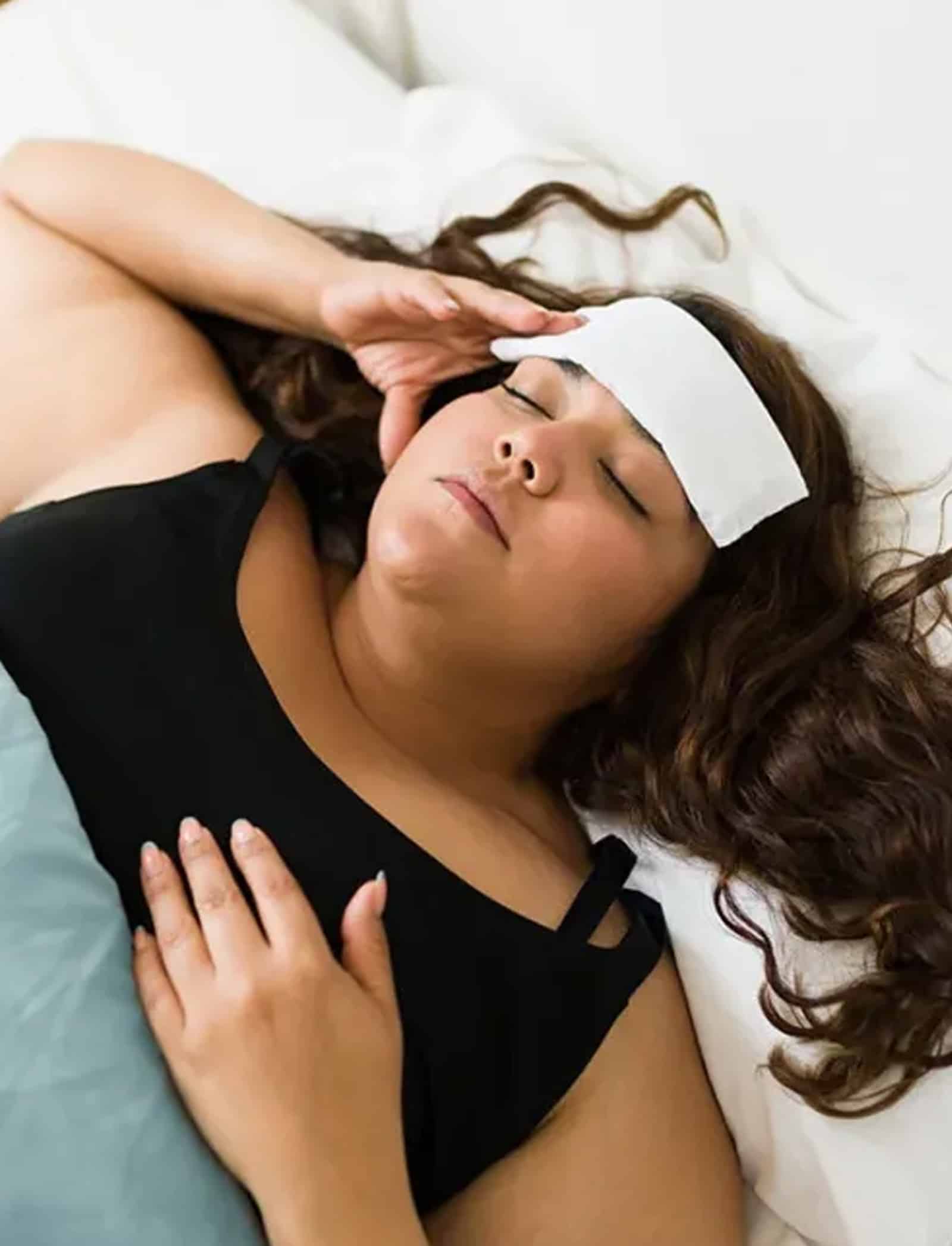
Quick headache relief can often be achieved through simple steps. Drinking water helps with dehydration-related pain, while resting in a dark, quiet room reduces sensory triggers. Applying a cold or warm compress can soothe tension, and gentle neck stretching helps release muscle tightness. Deep breathing and relaxation techniques also calm the body and ease stress-related headaches. These methods provide fast, temporary relief but do not treat the underlying causes of recurring headaches.

When Should You Be Concerned About a Headache?
Seek medical attention if you experience:
- Sudden severe headache (“worst headache”)
- Vision changes or confusion
- Weakness or numbness
- Fever with neck stiffness
- Persistent vomiting
Can Posture Cause Headaches?
Yes. Poor posture is one of the most common hidden causes of chronic headaches.
Forward head posture can:
- Strain neck muscles
- Compress nerves
- Reduce blood flow
- Trigger tension headaches
How Does Stress Cause Headaches?

How Does Stress Cause Headaches?
What Foods Trigger Headaches?
Common headache triggers often include certain dietary choices that can affect the body’s balance and sensitivity. Processed foods may contain additives that contribute to headaches, while alcohol can lead to dehydration and trigger pain.
Excess caffeine, especially when consumed irregularly, may also cause withdrawal-related headaches. Artificial sweeteners are known to provoke headaches in some individuals, and aged cheese contains compounds like tyramine that can act as a trigger for sensitive people.
What Foods Help Reduce Headaches?
Helpful foods include:
- Magnesium-rich foods (nuts, spinach)
- Omega-3 sources (fish, flaxseed)
- Fresh fruits and vegetables
- Whole grains
- Hydrating foods
Is Dehydration a Cause of Headaches?
Yes. Even mild dehydration can reduce brain function and trigger headaches due to:
- Lower blood volume
- Reduced oxygen flow
- Electrolyte imbalance

What Foods Trigger Headaches?
Common headache triggers often include certain dietary choices that can affect the body’s balance and sensitivity. Processed foods may contain additives that contribute to headaches, while alcohol can lead to dehydration and trigger pain.
Excess caffeine, especially when consumed irregularly, may also cause withdrawal-related headaches. Artificial sweeteners are known to provoke headaches in some individuals, and aged cheese contains compounds like tyramine that can act as a trigger for sensitive people.
What Foods Help Reduce Headaches?
Helpful foods include:
- Magnesium-rich foods (nuts, spinach)
- Omega-3 sources (fish, flaxseed)
- Fresh fruits and vegetables
- Whole grains
- Hydrating foods
Is Dehydration a Cause of Headaches?
Yes. Even mild dehydration can reduce brain function and trigger headaches due to:
- Lower blood volume
- Reduced oxygen flow
- Electrolyte imbalance

Conclusion:
The most effective headache relief approach is not temporary medication, but a combined strategy of regenerative treatment, posture correction, stress control, and lifestyle optimization. This approach helps reduce recurrence and supports long-term neurological and physical balance.
Frequently Asked Questions
1. What is the most effective headache relief treatment?
The most effective headache relief comes from treating the root cause, not just the pain. At Winter Park Regenerative Medicine, this includes regenerative medicine, spinal alignment, IV therapy, and lifestyle correction for long-term results.
2. Can headaches go away permanently?
Yes, many chronic headaches can significantly reduce or resolve when underlying causes like posture issues, inflammation, stress, or nerve compression are properly treated.
3. What is the fastest way to stop a headache at home?
Quick relief methods include drinking water, resting in a dark room, applying a cold compress, gentle neck stretching, and deep breathing to reduce tension.
4. Do stress and anxiety really cause headaches?
Yes. Stress and anxiety tighten muscles, increase inflammation, and affect the nervous system, which commonly triggers tension headaches and migraines.