
Hip Pain
Hip Pain Treatment That Works: Say Goodbye to Discomfort!
Treatment for hip discomfort may help you feel better and move with greater ease. The right care can reduce pain and improve mobility. Don’t let hip pain stop you, find the best hip pain treatment today!
Schedule a Free Consultation
Find the Best Hip Pain Relief Method for You
When hip pain hits, sitting, walking and other daily tasks can become difficult. Exercise, physical therapy and medication may help reduce pain, but some people need a doctor's assessment to find the right treatment. Strengthening the muscles around the hip may also help support it. If you have hip pain, don't ignore it: early care may help keep it from getting worse.
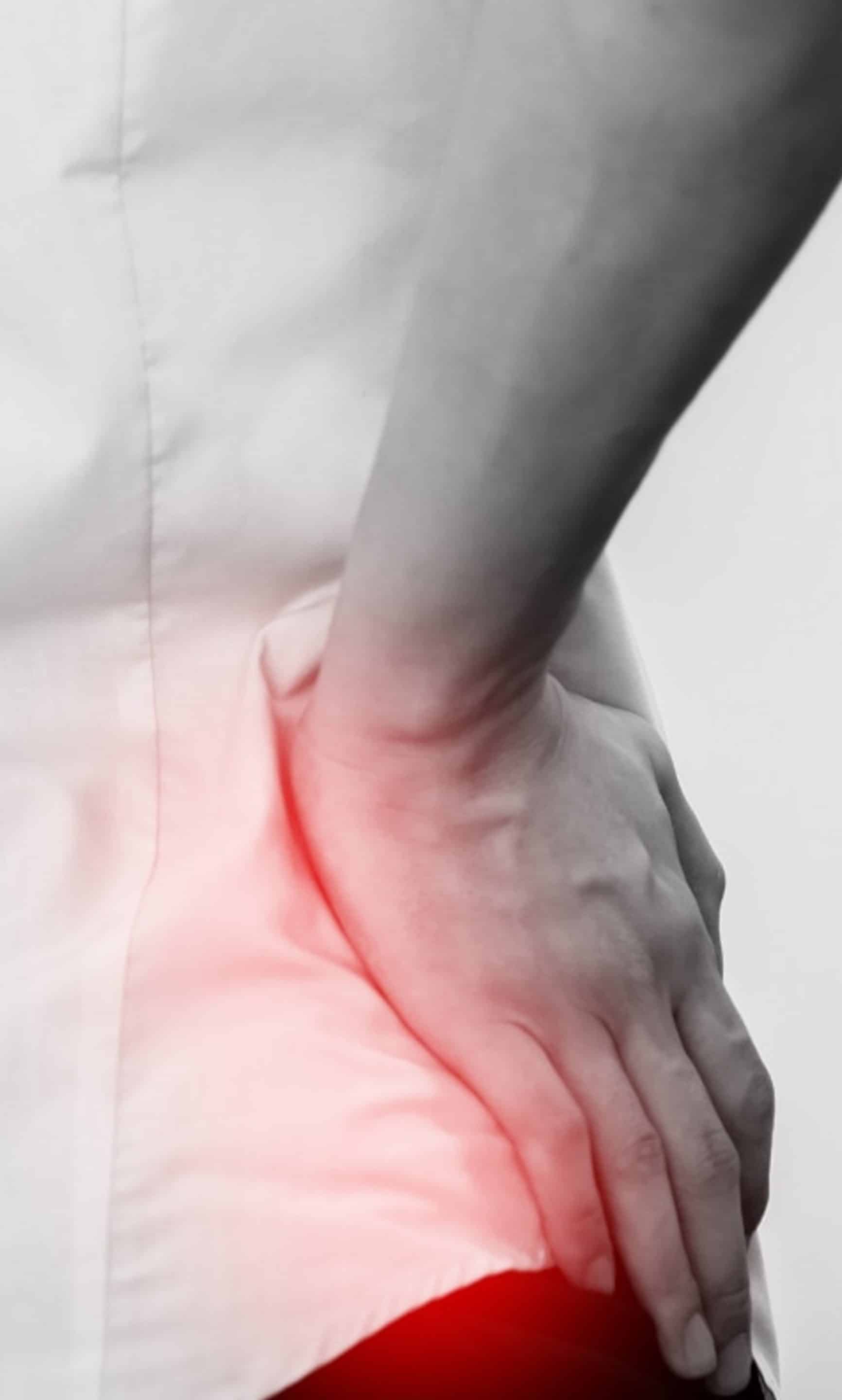
Understanding the Hip Joint
The hip joint is among the strongest and most flexible joints in the body. It supports the weight of your upper body while allowing smooth movement in many directions.
Because it carries such a heavy workload, the hip is vulnerable to strain, wear and injury over time. Hip pain often begins as mild stiffness but can gradually worsen and spread into the thigh, groin or lower back. Understanding what is causing your pain is the first step toward relief.
Causes of the Hip Pain
-
To begin with, Arthritis can cause joint pain and swelling.
-
In addition, Injuries such as fractures, sprains, or falls often lead to hip pain.
-
Moreover, Muscle strain from overuse or sudden movement can trigger discomfort.
-
Furthermore, Bursitis results in swelling within the hip joint.
-
Similarly, Nerve issues like sciatica may radiate pain to the hip region.
-
Another potential cause is a Hip labral tear, which involves damage to the cartilage.
-
Lastly, Tendonitis, caused by repeated movement, leads to inflammation and pain.
Symptoms of Hip Pain
-
To start with, pain in the hip joint can feel dull, sharp, or aching.
-
Additionally, stiffness may make it hard to move the hip freely.
-
Moreover, swelling or tenderness can cause the hip area to feel sore or inflamed.
-
As a result, you may experience pain while walking, especially during movement or while standing.
-
In some cases, a limited range of motion makes it difficult to bend or rotate the hip.
-
Furthermore, a clicking or popping sound may occur when the hip moves.
-
Sometimes, pain may spread to the leg or lower back, affecting nearby areas.
-
Finally, weakness in the hip or leg can make it difficult to support your body weight.
Hip Pain Treatment
- Rest, Avoid heavy activities
- Ice or heat, reduce swelling and relax muscles
- Stretching, Improve movement and flexibility
- Physical therapy, Strengthen hip muscles
- Pain relievers, medications to reduce pain
- Injections, Reduce swelling and discomfort
- Surgery, for severe cases when other treatments fail
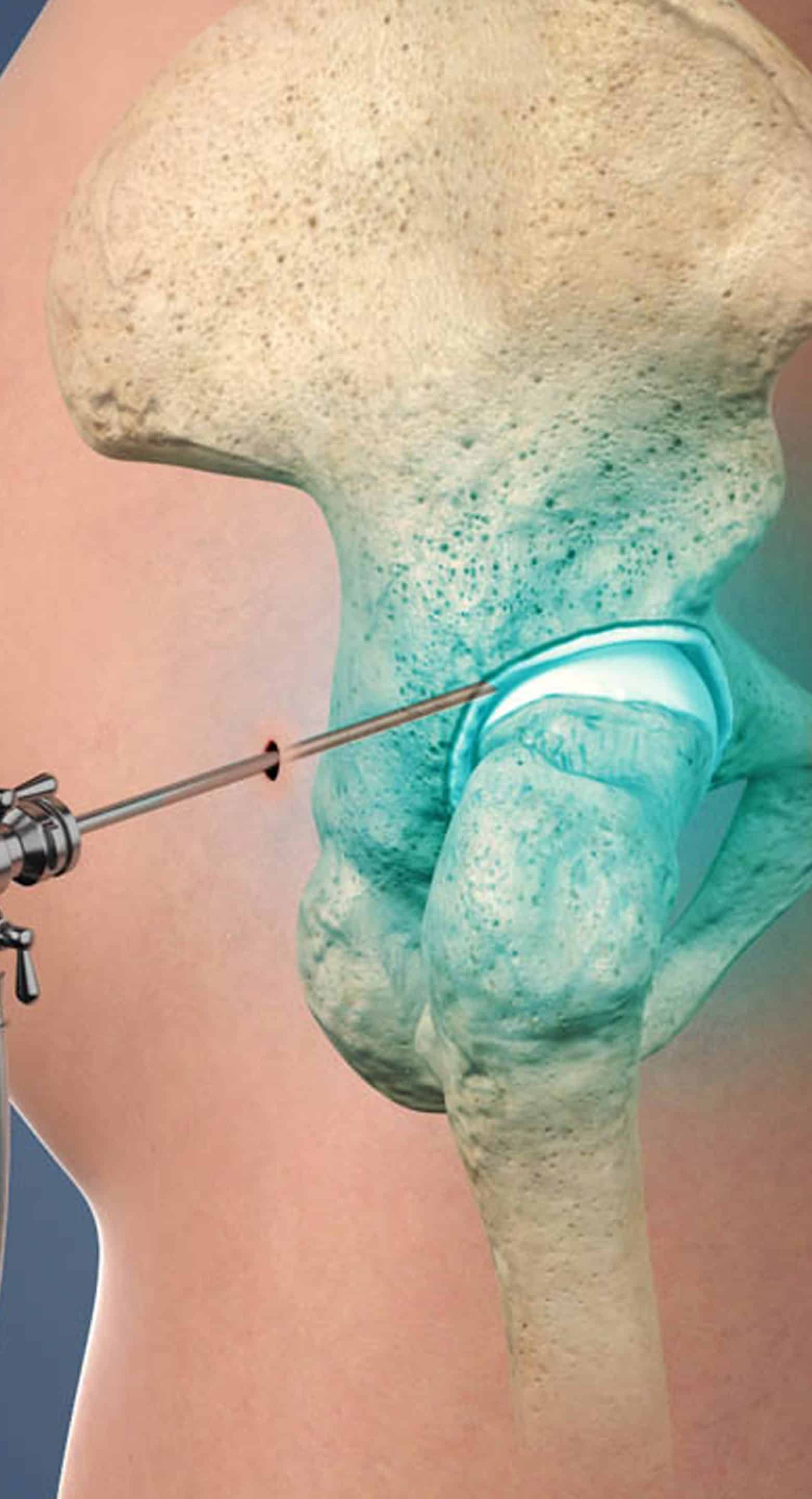
Our Non-Surgical Hip Pain Treatments
At Winter Park Regenerative Medicine, we offer non-surgical options that may help reduce hip pain and support your recovery:
- Regenerative Medicine (PRP & PRF): Using concentrated platelets from your own blood, PRP and PRF may help support tissue healing and reduce inflammation.
- Chiropractic Care: Gentle adjustments may help improve alignment, relieve pressure and support hip mobility without medication.
- Physical Rehabilitation: Targeted exercises may help strengthen the muscles around the hip, improve flexibility and lower the risk of future pain.
- Shockwave Therapy: This non-invasive treatment may help boost circulation and support tissue repair in chronic hip pain.
- Trigger Point Injections: Precise injections may help release muscle tension and reduce inflammation.
Comprehensive Diagnosis at Winter Park Regenerative Medicine
We take a thorough, patient-centered approach to diagnosis. Rather than guessing, we look for the source of your pain through careful evaluation.
To begin, we hold a detailed consultation to learn about your medical history, lifestyle and pain patterns. Next, our specialists perform a physical examination to assess your posture, flexibility and joint mobility.
If needed, we may recommend imaging such as X-rays, MRI or ultrasound to look for joint or soft tissue damage. Once we identify the likely cause, we design a personalized treatment plan that fits your needs and recovery goals.

What can you expect from hip pain treatment?
Treatment for hip pain centers on pain reduction, movement improvement, and quality of life improvements. You need to know this:
a) A customized treatment plan, which could include injections, medication, or physical therapy.
b) Over time, treatment may help reduce pain and stiffness.
c) Exercises and therapy support the hip to be stronger for better movement.
Many patients notice improvement within weeks; results vary. Recovery time depends on your diagnosis and treatment, and our team monitors your progress and adjusts your plan as needed.
Start your journey to pain relief today!
Are you experiencing hip pain? Schedule Your Consultation Today!
With hip pain, walking, sitting, and housework can all be challenging. Don’t ignore the pain, as help is available! At Winter Park Regenerative, we offer non-surgical treatments that may help ease hip pain and improve movement. Our experts will work out the best approach for your situation. Plan your consultation today and start your path to relief. Call us right now to get started.