
Osteoarthritis Treatment
Understanding Osteoarthritis: Symptoms, Causes, and Treatment Options
Osteoarthritis is one of the most common forms of arthritis, affecting millions of people worldwide. It is a degenerative joint disease that occurs when the protective cartilage that cushions the ends of the bones wears down over time. While osteoarthritis can affect any joint, it most commonly impacts the knees, hips, hands, and spine.
Schedule a Free Consultation
What is Osteoarthritis?
Osteoarthritis is a chronic condition that gradually worsens with age. As cartilage breaks down, bones may begin to rub against each other, causing pain, stiffness, and decreased range of motion. Unlike some other forms of arthritis, osteoarthritis is not primarily caused by inflammation but rather by wear and tear.
What Happens Inside the Joint
Osteoarthritis develops when the smooth cartilage that cushions the ends of the bones gradually wears away. As this layer thins, the joint moves less smoothly, which can lead to friction, inflammation and pain. Over time, osteoarthritis may also lead to:
- Bone spurs (osteophytes)
- Narrowing of the joint space
- Ongoing inflammation of the surrounding tissues
- Weakening of nearby ligaments and tendons
Because osteoarthritis is progressive, symptoms often get worse over time without treatment.
Early Warning Signs
Many people put early symptoms down to "normal aging" and wait to get help. Signs worth checking with a provider include:
- Joint stiffness, especially in the morning or after rest
- Pain that gets worse with movement or activity
- Swelling or warmth around the joint
- Reduced flexibility and range of motion
- A grinding or rough feeling when the joint moves
- Tired muscles around the joint, from working harder to protect it
Osteoarthritis Symptoms
Osteoarthritis symptoms develop slowly and worsen over time. Some common symptoms of osteoarthritis include:
- Pain in the joint on movement and after movement
- Stiffness after periods of inactivity
- Swelling around and in the affected joints
- Loss of flexibility and restricted movements
- A feeling of grating or an audible click coming from the joint during use
- Bone spurs, or small bits of extra bone, sometimes develop around the joint


Osteoarthritis Causes
Several factors contribute to osteoarthritis development. The Osteoarthritis causes include:
- Age: With age, the chances increase to a great degree.
- Sex: Women develop osteoarthritis more often than men.
- Genetics: The susceptibility to osteoarthritis can be enhanced by having a family history of the disorder.
- Injuries to joints: Trauma to a joint in the past may initiate degeneration later in life, at times even acquired through sports or accidents.
- Obesity: Excess weight may be an added stress on weight-bearing joints such as the knees and hips.
- Repetitive stresses: The stress due to repetitive motion in a particular job or activity is assumed to expedite the joint wear and tear.
Osteoarthritis Treatment Options
Osteoarthritis is a long-term condition, but many osteoarthritis treatment options are available to manage symptoms and improve joint function.
Non-Surgical Treatments:
- Medications: Over-the-counter pain relievers, such as acetaminophen and NSAIDs, can reduce pain and inflammation.
- Physical Therapy: Targeted exercises strengthen muscles around the joint, increase flexibility, and reduce pain.
- Weight Management: Losing even a small amount of weight can significantly reduce joint stress, especially for osteoarthritis knee pain.
- Injections: Corticosteroid or hyaluronic acid injections can offer temporary relief.
Advanced and Regenerative Options
Some individuals explore newer, regenerative approaches like Platelet-Rich Plasma (PRP) or PRF (Platelet-Rich Fibrin) therapy to support joint healing and reduce discomfort. Results vary, but many patients notice less discomfort and better mobility.
Surgical Options
In more severe cases, joint replacement surgery, such as total knee replacement, may be considered when other treatments fail to provide relief.

Osteoarthritis Treatment Options
Osteoarthritis is a long-term condition, but many osteoarthritis treatment options are available to manage symptoms and improve joint function.
Non-Surgical Treatments:
- Medications: Over-the-counter pain relievers, such as acetaminophen and NSAIDs, can reduce pain and inflammation.
- Physical Therapy: Targeted exercises strengthen muscles around the joint, increase flexibility, and reduce pain.
- Weight Management: Losing even a small amount of weight can significantly reduce joint stress, especially for osteoarthritis knee pain.
- Injections: Corticosteroid or hyaluronic acid injections can offer temporary relief.
Advanced and Regenerative Options
Some individuals explore newer, regenerative approaches like Platelet-Rich Plasma (PRP) or PRF (Platelet-Rich Fibrin) therapy to support joint healing and reduce discomfort. Results vary, but many patients notice less discomfort and better mobility.
Surgical Options
In more severe cases, joint replacement surgery, such as total knee replacement, may be considered when other treatments fail to provide relief.
Conventional Care vs. Regenerative Care
Conventional osteoarthritis care focuses mainly on controlling symptoms. It often includes anti-inflammatory medicines, pain relievers, steroid injections, physical therapy and, in severe cases, joint replacement surgery. These can give useful relief, but they don't treat the wear inside the joint.
Regenerative medicine takes a different approach, using treatments that aim to work with your body's natural healing response. For some patients, this may help:
- Ease pain and stiffness
- Reduce chronic inflammation
- Improve joint lubrication and movement
- Reduce reliance on pain medicines
- Delay the need for joint surgery
Regenerative Treatment Options for Osteoarthritis
Every plan is based on your diagnosis, how advanced your osteoarthritis is and your goals. Options may include:
Platelet-Rich Plasma (PRP)
PRP is made from a small sample of your own blood, concentrated to contain more platelets and growth factors. It may help reduce joint pain and stiffness and support joint health, with little downtime. PRP is often considered for earlier stages of osteoarthritis in the knee, shoulder and hip.
Stem Cell Therapy
Stem cell therapy uses cells that may help support joint health and reduce inflammation. It is sometimes considered for moderate to advanced osteoarthritis.
Bone Marrow Aspirate Concentrate (BMAC)
BMAC uses cells and growth factors taken from your own bone marrow, concentrated and injected into the affected joint. It may help reduce inflammation and support joint health.

Regenerative Treatment Options for Osteoarthritis
Every plan is based on your diagnosis, how advanced your osteoarthritis is and your goals. Options may include:
Platelet-Rich Plasma (PRP)
PRP is made from a small sample of your own blood, concentrated to contain more platelets and growth factors. It may help reduce joint pain and stiffness and support joint health, with little downtime. PRP is often considered for earlier stages of osteoarthritis in the knee, shoulder and hip.
Stem Cell Therapy
Stem cell therapy uses cells that may help support joint health and reduce inflammation. It is sometimes considered for moderate to advanced osteoarthritis.
Bone Marrow Aspirate Concentrate (BMAC)
BMAC uses cells and growth factors taken from your own bone marrow, concentrated and injected into the affected joint. It may help reduce inflammation and support joint health.
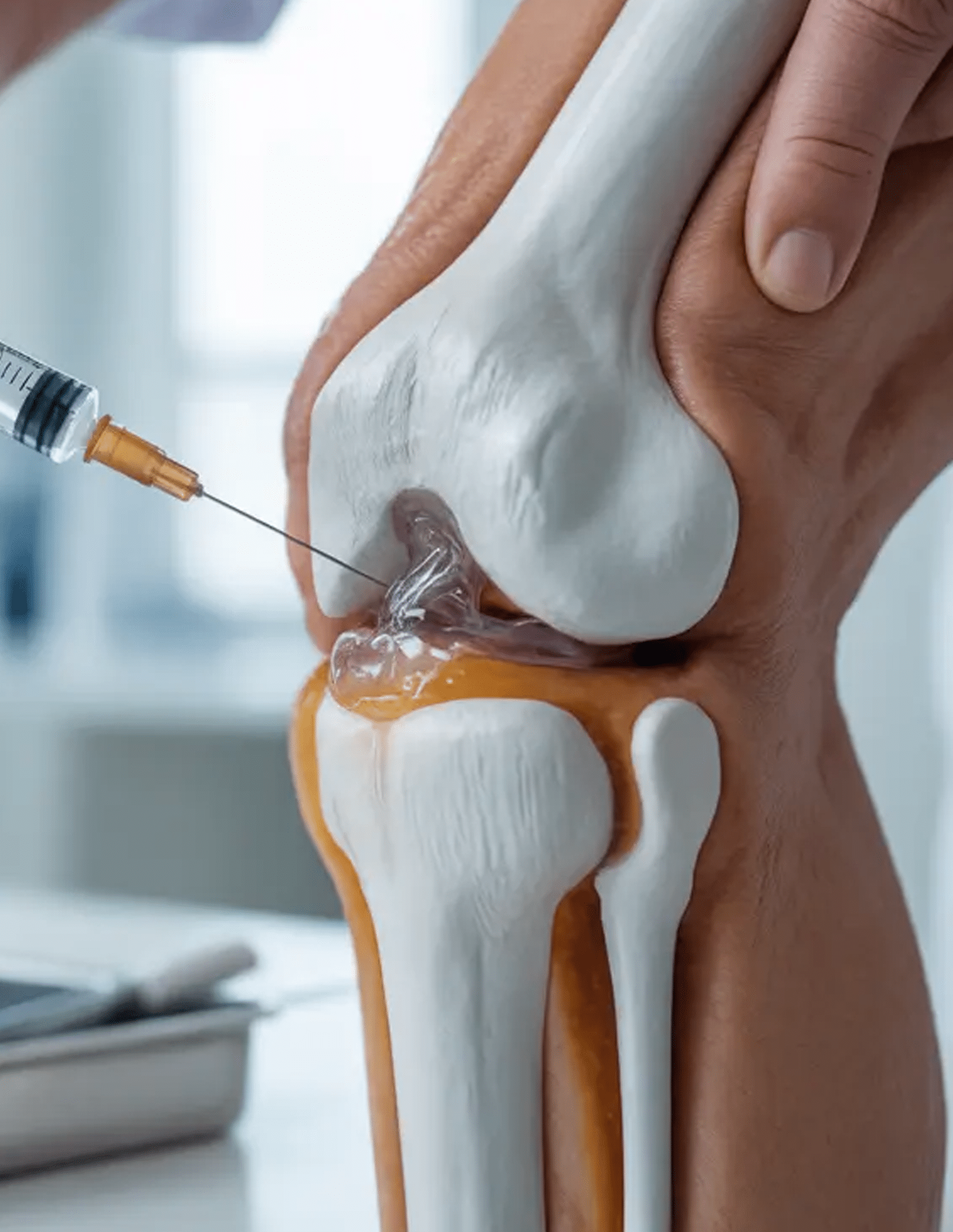
Prolotherapy, Hyaluronic Acid and Exosome Therapy
Prolotherapy
Prolotherapy aims to strengthen the ligaments and tendons around a joint. By improving joint stability, it may help reduce stress on the joint and ease long-term pain.
Hyaluronic Acid Injections (Viscosupplementation)
Hyaluronic acid adds lubrication to the joint. It may help reduce friction, improve cushioning and ease pain during daily activities, especially in the knee.
Exosome Therapy
Exosome therapy is an emerging treatment that may help support communication between cells and reduce inflammation. Research is still developing.
Stem cell, BMAC and exosome treatments are not FDA-approved for these conditions. Your provider will discuss the evidence, risks and alternatives at your consultation.
Our Approach to Osteoarthritis Treatment
We start with a careful review of your medical history, lifestyle and goals, then build a personalized plan. Because osteoarthritis is progressive, starting treatment early may help slow joint damage and protect your long-term mobility.
Targeted joint injections: Injections deliver treatment directly to the affected joint, rather than affecting the whole body the way oral medications do. They may help reduce swelling and ease discomfort.
Lifestyle and nutrition guidance: We help you with weight management, healthy eating and activity changes that may reduce strain on your joints and support your overall health.

Who May Benefit from Regenerative Osteoarthritis Treatment?
Regenerative treatment may be worth discussing if you:
- Have ongoing joint pain or stiffness
- Have been diagnosed with early to moderate osteoarthritis
- Want to delay joint replacement surgery
- Haven't had enough relief from conventional treatments
- Want to stay active and improve your mobility
Lifestyle and Prevention
Treatment tends to work best alongside habits that protect your joints:
- Low-impact exercise, such as swimming or cycling
- Keeping a healthy body weight
- Strength training to support joint stability
- An anti-inflammatory diet rich in omega-3s and antioxidants
- Good posture and movement habits
- Regular stretching to maintain flexibility
Can Osteoarthritis Be Managed?
You may see stories online from people who say their osteoarthritis has gone away. It’s important to understand that osteoarthritis is a chronic, degenerative condition. However, with proper management, many people stay active with the right care. Lifestyle changes, therapy and newer medical treatments can all play a part in improving symptoms.


Take Control of Your Joint Health
Living with osteoarthritis doesn’t mean you have to accept constant pain or limited mobility. Whether you're dealing with osteoarthritis knee issues or general joint discomfort, early intervention and consistent care can make all the difference.
If you're ready to explore your options and take back control of your health, contact Winter Park Regenerative Medicine to discuss the best osteoarthritis treatment plan for your needs.