
Sports Injuries
Comprehensive Guide to Sports Injuries and Treatments
Sports injuries are common among athletes of all levels, from beginners to professionals. These injuries can range from minor strains to severe conditions that require extensive rehabilitation. Understanding sports injuries, their causes, and effective treatments is essential for a safe recovery.
Schedule a Free Consultation
What Are Sports Injuries?
Sport Injuries are those situations whereby muscles, ligaments, tendons or bones are over stretched or damaged in some way. Such injuries may stem from incidence, the wrong method of training or lack of proper warm-up exercises. Common types of sports injuries include:
- Sprains and Strains: To begin with, sprains involve ligaments, whereas strains affect muscles or tendons.
- Fractures: Moreover, fractures can result from accidents or excessive strain on the bones.
- Dislocations: In addition, dislocations occur when bones are forced out of their normal positions, often affecting the shoulder and knee joints.
- Tendonitis: Furthermore, when tendons become inflamed from repetitive motions, such as with Achilles tendonitis or tennis elbow, the area can become painful and harder to use.
- Concussions: Lastly, concussions are traumatic brain injuries caused by blows to the head, frequently seen in contact sports.
- Ligament Tears: Ligaments such as the ACL, MCL and LCL in the knee can be partly or fully torn during sudden twists or impacts.
- Cartilage and Joint Damage: Cartilage tears and other joint injuries can limit how well a joint moves.
These injuries often result from poor technique, overuse, lack of warm-up or direct trauma.
Here are Some of The Common Sports Injuries Treatment
Sports injuries treatment provides strategies that assist in pain modulation, retrieval of function and healing. Treatment options vary based on the severity of the injury:
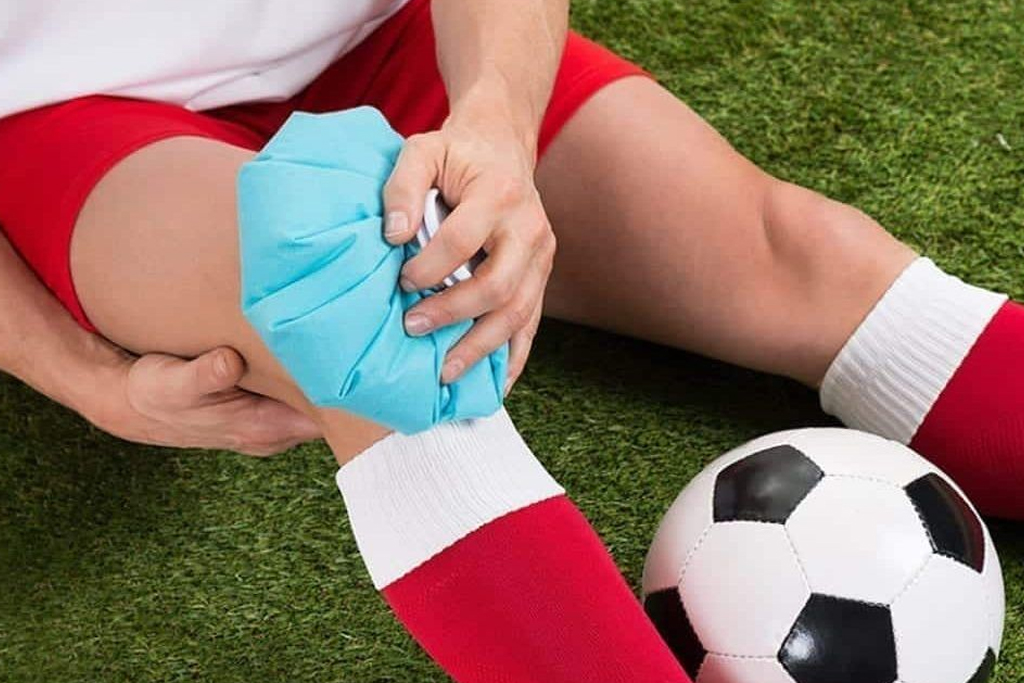
Rest and Ice Therapy
Another way of managing the effects of an injury is to get off the affected part or limb and apply cold on the area. This normally forms the initial form of management for minor injuries.

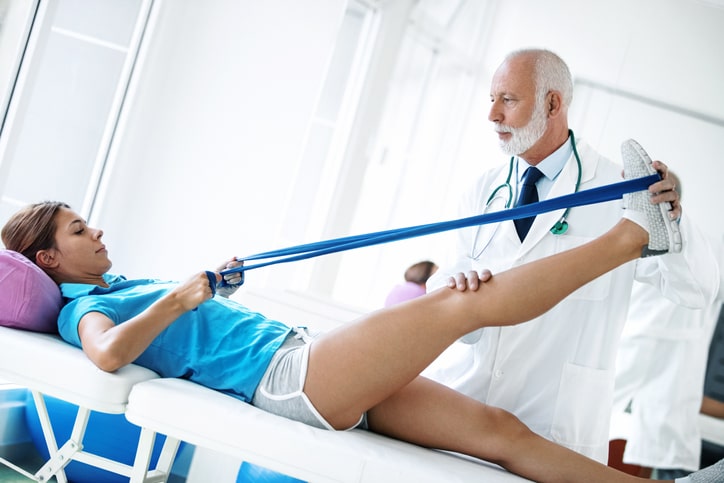
Physical Therapy
In fact, one of the essential treatments to receive as a patient with moderate to severe injuries is physical therapy. Physical exercises are also prescribed and developed individualised exercise regimens to help a person regain strength, flexibility, and functional movement.
Medication
The use of non-prescription analgesic and anti-inflammatory drugs may bring comfort when it comes to injuries in sports. In some instances, you may require prescription drugs.

Immobilization
Splints and casts, braces may be applied in order to immobilise the affected area in a proper healing manner.
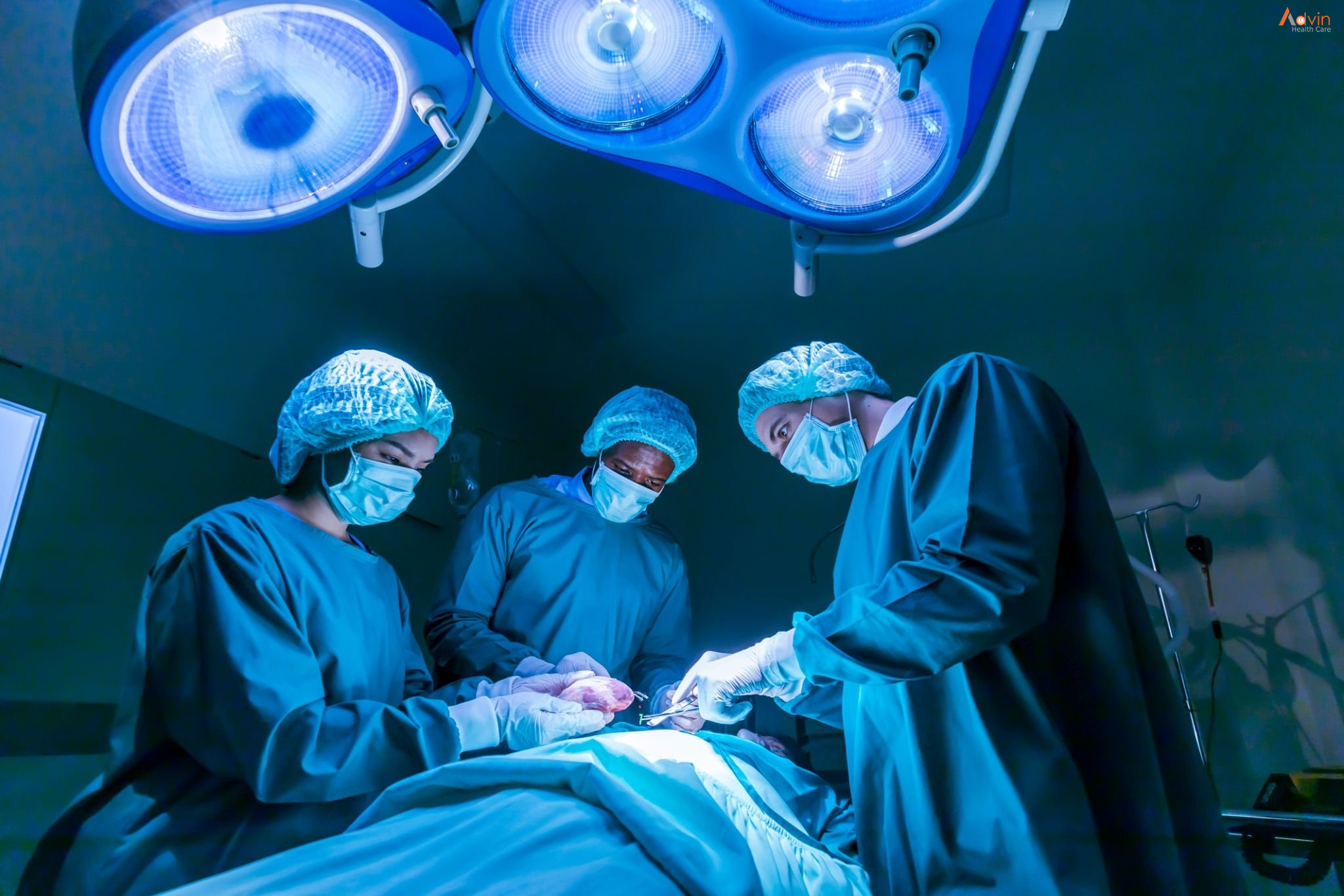
Surgery
In more serious cases such as a fracture or the tearing of a ligament then the treatment would involve a surgical operation. It is important that a patient has to go for rehabilitation after the surgery.
Traditional Treatments vs. Regenerative Medicine
Traditional care for sports injuries has often focused on:
- Pain relief medications: These may ease pain but don’t address the underlying injury.
- Corticosteroid injections: These can reduce inflammation, but repeated corticosteroid injections may weaken tendons over time.
- Surgery: Surgery is sometimes necessary, but it involves a longer recovery and its own risks.
Regenerative medicine offers a minimally invasive option that works with your body’s natural healing processes and may help support long-term recovery without surgery.
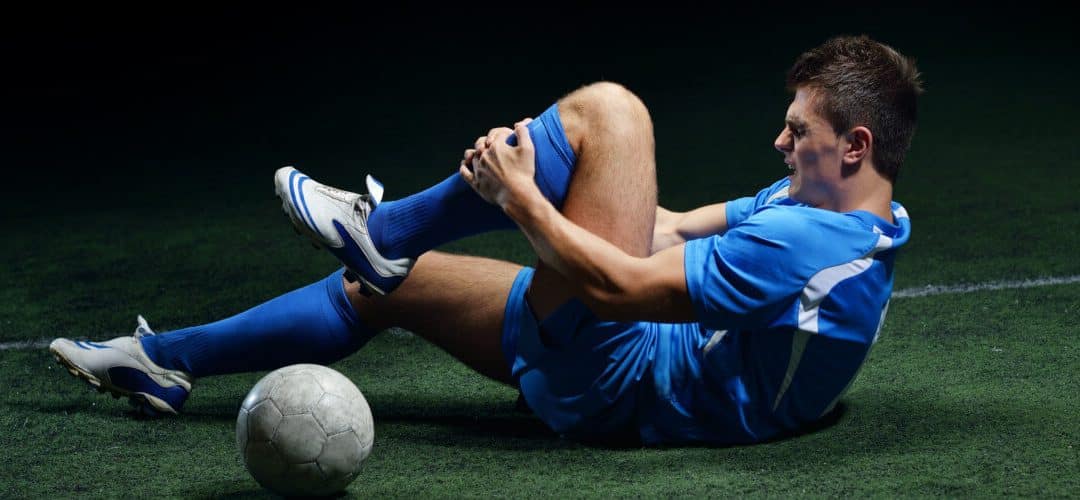
Regenerative Treatment Options for Sports Injuries
Platelet-Rich Plasma (PRP): PRP concentrates platelets from your own blood, which are rich in growth factors, and injects them into the injured area. PRP may help support tissue repair and reduce inflammation.
Stem Cell Therapy: Stem cell therapy may help support the healing of damaged ligaments, cartilage and tendons, and may offer an alternative to more invasive treatments.
Exosome Therapy: Exosomes are tiny particles that carry proteins and genetic material involved in communication between cells. Exosome therapy may help support your body’s natural healing processes.
Bone Marrow Aspirate Concentrate (BMAC): BMAC concentrates cells and growth factors from your own bone marrow, which are then injected into the injury site. BMAC may help support tissue repair and reduce pain.
Stem cell, exosome and BMAC treatments are not FDA-approved for these conditions. Your provider will discuss the evidence, risks and alternatives at your consultation.
Sports Injuries: Why Seek Professional Treatment?
Professional treatment may help you recover safely and effectively. Our team of specialists evaluate and treat a range of diagnosis and treatments for sports injuries. We offer:
- Customized Treatment Plans: Every injury and every patient is different, so we build a plan around your specific needs, goals and recovery timeline, and work closely with you to help you return to your sport or activity safely.
- Advanced Therapies: This would also include physical therapy, massage therapy and pain management.
- Expert Guidance: Helping athletes to get back to their sport safely and confidently.
Get Back in the Game with Expert Care
If you have a sports injury, don’t allow it to keep you out for long. Let Winter Park Regenerative Medicine know how we can help you? Speaking to us today could be your first step toward recovery. With good care, you can get back to the activities you love.
Get Back in the Game with Expert Care
If you have a sports injury, don’t allow it to keep you out for long. Let Winter Park Regenerative Medicine know how we can help you? Speaking to us today could be your first step toward recovery. With good care, you can get back to the activities you love.