
Oxygen Therapy
Oxygen Therapy for Healing and Vitality | Winter Park Regenerative Medicine
Enhance Tissue Healing and Boost Energy Naturally
Welcome to Winter Park Regenerative Medicine, where we provide Oxygen Therapy, also known as Intermittent Hypoxic-Hyperoxic Therapy (IHHT). This advanced therapy gently cycles your body through controlled low and high oxygen levels, helping to promote tissue repair, improve energy, and optimize oxygen utilization, all without medication or invasive procedures.
Whether you are recovering from injuries, managing chronic conditions, or simply aiming to enhance overall wellness, Oxygen Therapy provides a clinically backed, non-invasive solution that works with your body’s natural healing mechanisms. Furthermore, this therapy is suitable for individuals of all ages and activity levels, making it a versatile addition to your wellness routine.
Schedule a Free Consultation
The Science Behind Oxygen Therapy and IHHT
Oxygen Therapy is grounded in decades of scientific research showing that alternating low and high oxygen levels stimulates the body’s natural regenerative processes. During an IHHT session, the body experiences brief periods of hypoxia (low oxygen) followed by periods of hyperoxia (high oxygen). This controlled cycling triggers several physiological responses:
- Tissue Regeneration: It encourages the formation of new blood vessels, supplying tissues with oxygen and nutrients essential for healing.
- Improved Oxygen Utilization: Cells become more efficient at using oxygen, which enhances energy production and reduces fatigue.
- Inflammation Reduction: Supports natural anti-inflammatory mechanisms, promoting faster recovery and better overall health.
In addition, research indicates that repeated IHHT sessions can improve metabolism, cardiovascular function, and cognitive performance, supporting both physical and mental wellness. By addressing the root causes of tissue stress and reduced oxygen efficiency, Oxygen Therapy offers a comprehensive approach to long-term health rather than temporary symptom relief.
What is Oxygen Therapy?
Oxygen Therapy, or IHHT, is a safe, non-invasive treatment that enhances the body’s ability to heal and perform. Each session is carefully customized to meet individual health needs, combining controlled oxygen cycling with optional B12 shots for metabolic support.
- 8 Sessions + 8 B12 Shots (introductory package)
- Controlled oxygen cycling under professional supervision
- Continuous monitoring of vital signs for safety
It is important to emphasize that full benefits are realized by completing the entire 8-session program, rather than after a single session. This ensures the body undergoes the necessary physiological adaptations for optimal tissue repair and energy enhancement.
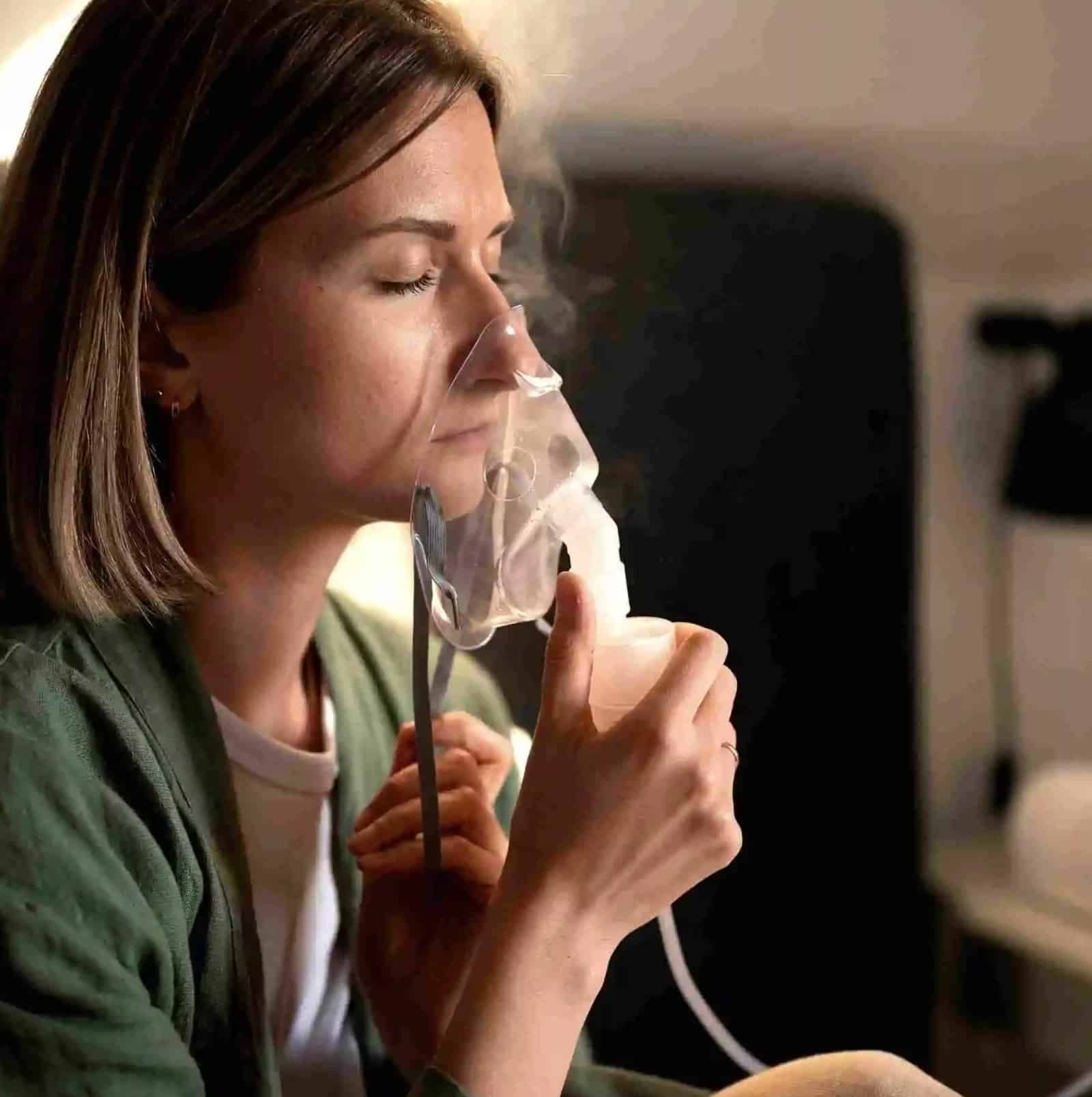
What is Oxygen Therapy?
Oxygen Therapy, or IHHT, is a safe, non-invasive treatment that enhances the body’s ability to heal and perform. Each session is carefully customized to meet individual health needs, combining controlled oxygen cycling with optional B12 shots for metabolic support.
- 8 Sessions + 8 B12 Shots (introductory package)
- Controlled oxygen cycling under professional supervision
- Continuous monitoring of vital signs for safety
It is important to emphasize that full benefits are realized by completing the entire 8-session program, rather than after a single session. This ensures the body undergoes the necessary physiological adaptations for optimal tissue repair and energy enhancement.
How Oxygen Therapy Works
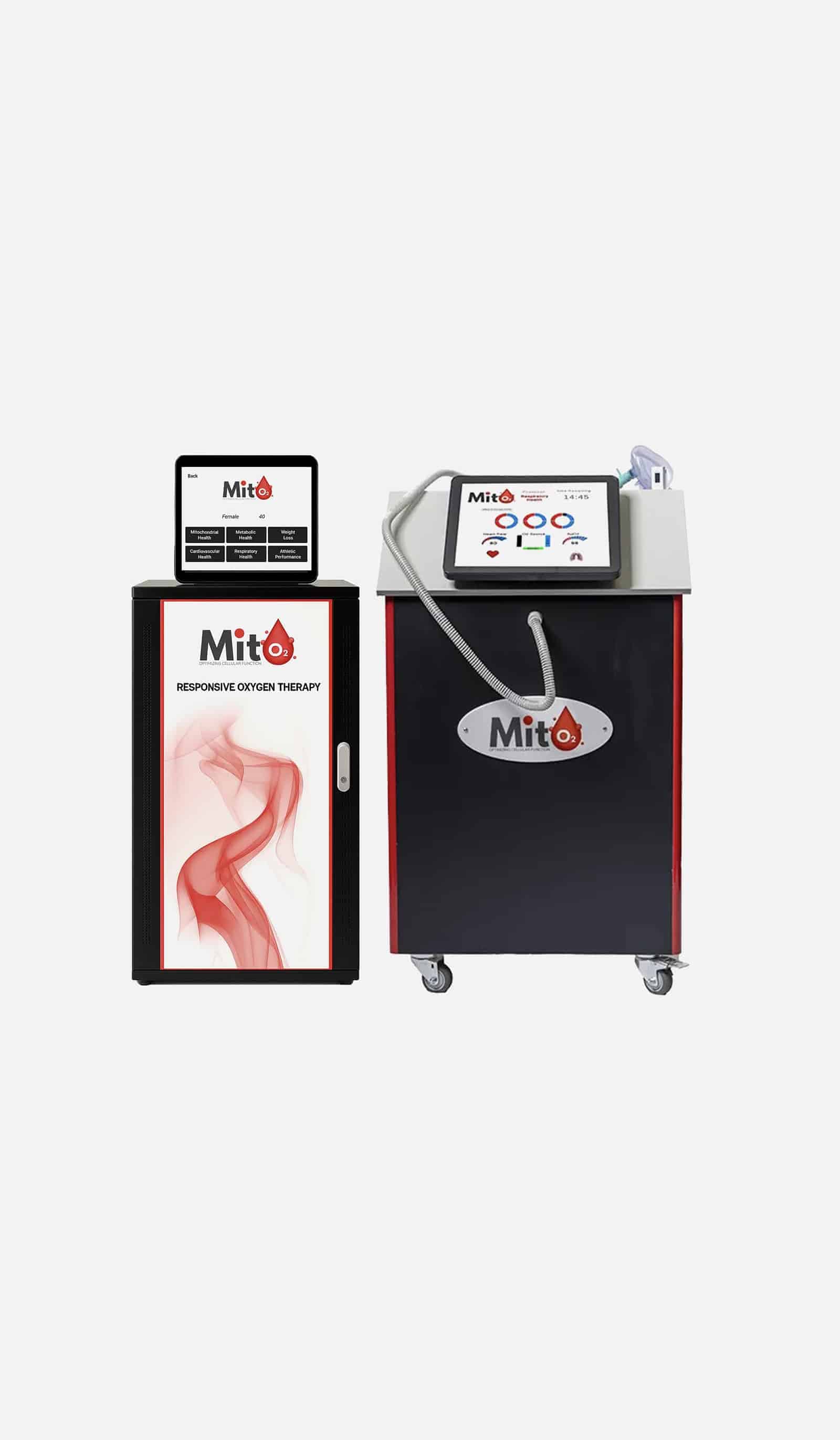
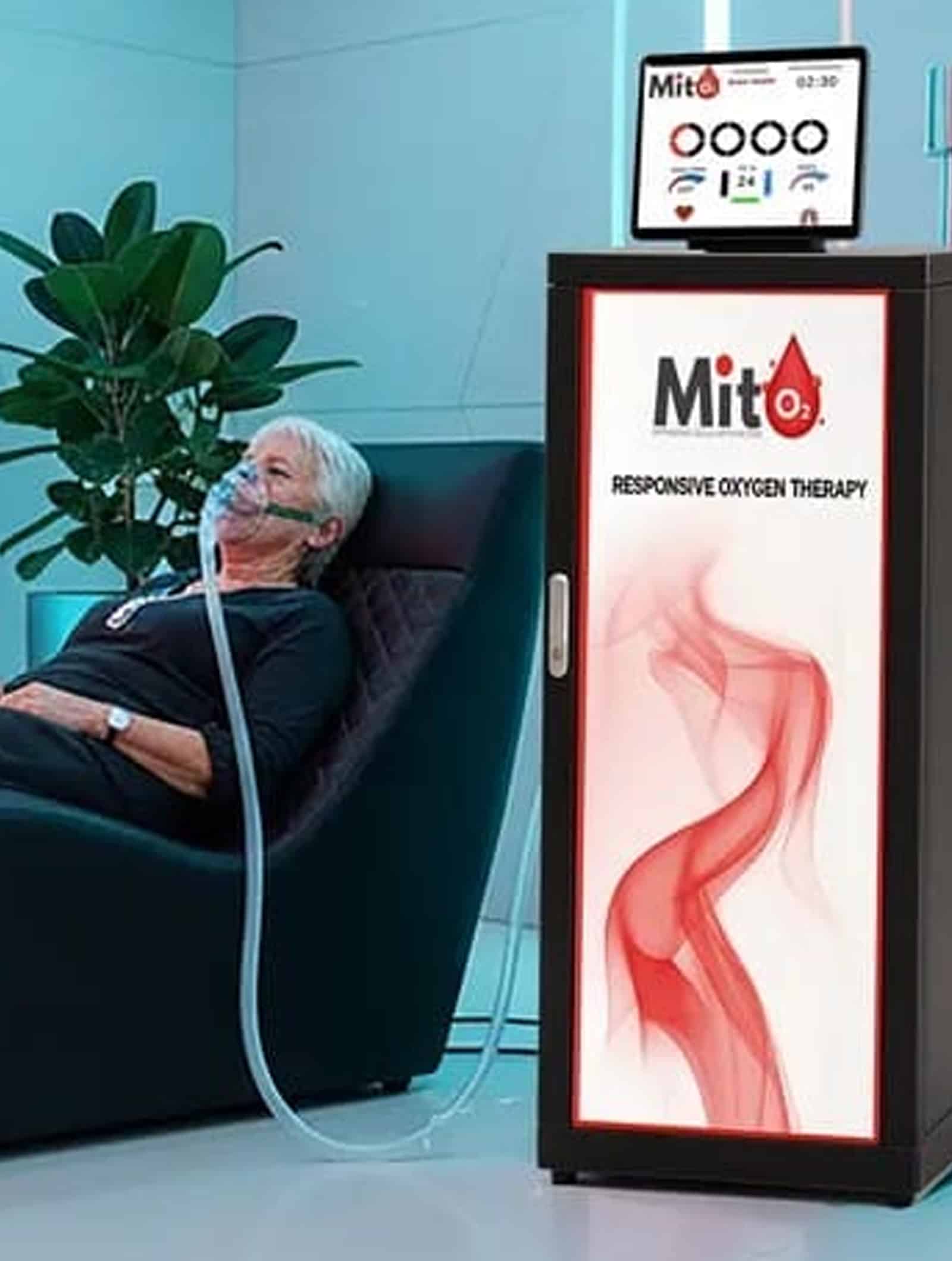
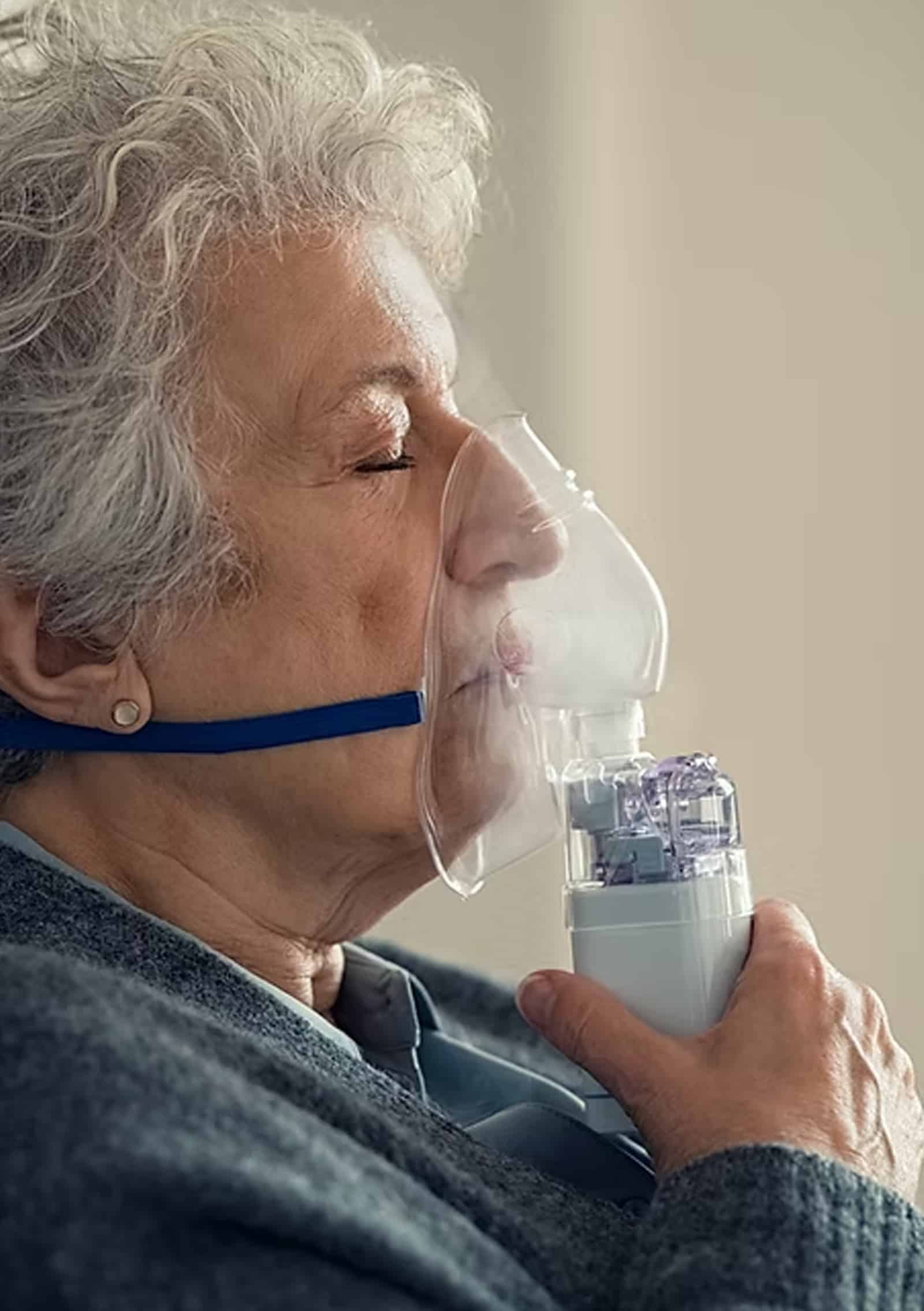
During an IHHT session, patients breathe through a mask connected to our advanced oxygen delivery system. The machine gently alternates low and high oxygen levels, stimulating the body in multiple ways:
- Stimulates Tissue Repair: Encourages angiogenesis, supporting muscle, joint, and soft tissue recovery.
- Boosts Cellular Energy: Improves oxygen utilization at the cellular level, enhancing stamina and reducing fatigue.
- Supports Recovery: Reduces soreness and accelerates healing after injuries or intense workouts.
- Non-Invasive and Drug-Free: Works naturally with your body’s mechanisms, avoiding medications or surgeries.
Sessions are relaxing and typically last 40–60 minutes, conducted in a comfortable therapy room designed for safety and patient comfort. Additionally, our trained staff ensures a personalized approach, adjusting oxygen levels and monitoring vital signs to maximize therapy effectiveness.
Clinically Proven Benefits of Oxygen Therapy
Oxygen Therapy provides numerous science-backed benefits, making it a valuable tool for long-term wellness: Tissue Healing and Regeneration
- Promotes recovery of muscles, joints, and soft tissues
- Supports post-injury or post-surgical healing
- Stimulates the formation of new blood vessels for enhanced tissue health

Clinically Proven Benefits of Oxygen Therapy
Oxygen Therapy provides numerous science-backed benefits, making it a valuable tool for long-term wellness: Tissue Healing and Regeneration
- Promotes recovery of muscles, joints, and soft tissues
- Supports post-injury or post-surgical healing
- Stimulates the formation of new blood vessels for enhanced tissue health

Increased Energy and Vitality
- Improves cellular oxygen efficiency, boosting metabolism
- Reduces fatigue and supports stamina
- Enhances mental clarity and cognitive function
Non-Medication Approach
- Completely drug-free and non-invasive
- Safe for individuals seeking natural therapies
- Can be combined with other regenerative treatments for enhanced results
Athletic Performance & Recovery
- Speeds recovery after workouts or injuries
- Reduces muscle soreness and improves endurance
- Supports consistent training and peak performance
Furthermore, repeated sessions can enhance immune function, cardiovascular health, and overall resilience, helping patients achieve a more balanced, energetic lifestyle.
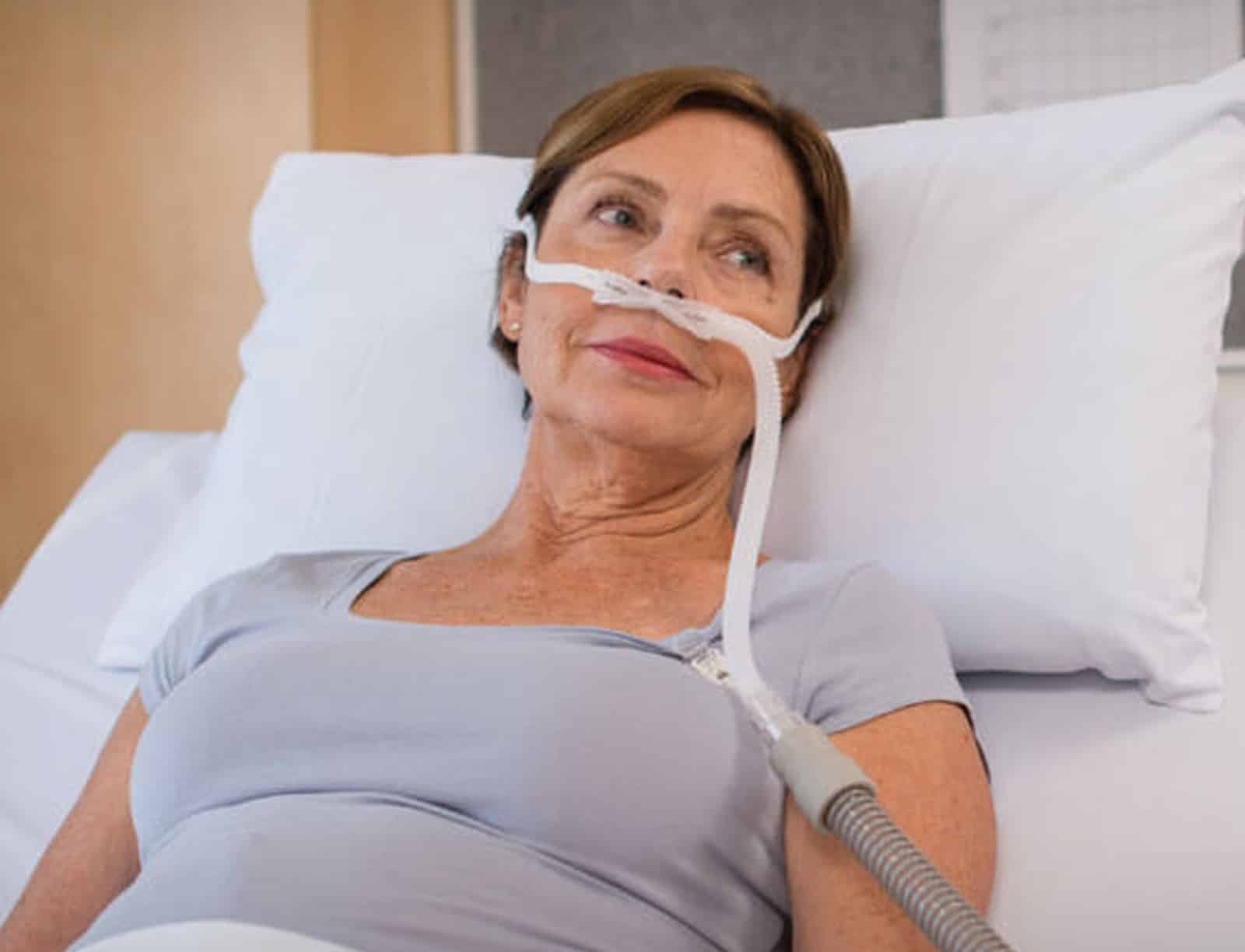
Athletic Performance & Recovery
- Speeds recovery after workouts or injuries
- Reduces muscle soreness and improves endurance
- Supports consistent training and peak performance
Furthermore, repeated sessions can enhance immune function, cardiovascular health, and overall resilience, helping patients achieve a more balanced, energetic lifestyle.
Technical Specifications of Our Oxygen Therapy System
Our IHHT machine is engineered for precision, safety, and optimal efficacy, ensuring every session is both comfortable and effective.
Core Unit Features:
Equipment Length:
26.5 inches (67.31 cm)
Equipment Width:
26.5 inches (67.31 cm)
Height:
45 inches (114.3 cm)
Operational Footprint:
26.5 × 26.5 inches (67.31 × 67.31 cm)
Power Supply:
110/230V, 50/60 Hz
Outlet Pressure:
<0.18 Mpa
Hypoxia Purity:
9–20.9%
LCD Display:
Session time display from 10 minutes to 40 hours
Compressor Valve Release Pressure:
250 kPa
Dimensions:
14.4 × 14.8 × 23.6 / 36.5 × 37.5 × 60 cm
Operating Conditions:
Air temperature 41–104°F, Humidity 30–75%, away from corrosive gases and strong magnetic fields
Operating Conditions:
Air temperature 41–104°F, Humidity 30–75%, away from corrosive gases and strong magnetic fields
These specifications ensure the system is safe, reliable, and fully adjustable, providing precise oxygen cycling for each patient.
What to Expect During a Session
Every Oxygen Therapy session is designed to be comfortable, safe, and results-driven:
- Preparation: Patients relax in a therapy chair while our staff explains the session.
- Controlled Oxygen Cycling: Gentle low and high oxygen levels are administered through a mask.
- Monitoring: Vital signs, oxygen saturation, and comfort are continuously checked.
- Optional B12 Shot: Included in the introductory package to further support energy and recovery.
Most patients find the experience painless and relaxing, noticing gradual improvements over the full 8-session program. Additionally, the therapy is highly adaptable, allowing our staff to fine-tune oxygen levels for maximum benefit.


Who Can Benefit from Oxygen Therapy?
Oxygen Therapy is ideal for a broad spectrum of individuals, including:
- People with chronic fatigue or low energy
- Patients recovering from muscle, joint, or tissue injuries
- Athletes seeking enhanced performance and recovery
- Aging adults looking to improve circulation, tissue health, and vitality
- Anyone interested in natural, non-medication-based wellness therapies
Important: To experience the full benefits, patients should complete the entire 8-session program.
Who Can Benefit from Oxygen Therapy?
Oxygen Therapy is ideal for a broad spectrum of individuals, including:
- People with chronic fatigue or low energy
- Patients recovering from muscle, joint, or tissue injuries
- Athletes seeking enhanced performance and recovery
- Aging adults looking to improve circulation, tissue health, and vitality
- Anyone interested in natural, non-medication-based wellness therapies
Important: To experience the full benefits, patients should complete the entire 8-session program.
Safety and Side Effects
Oxygen Therapy is generally safe and non-invasive. Mild effects, such as temporary lightheadedness or fatigue, may occur but are usually short-lived. Every session is professionally monitored, ensuring both safety and comfort throughout the therapy. Furthermore, IHHT is a natural therapy that works in harmony with the body’s own healing mechanisms, making it a reliable choice for long-term wellness.
Packages & Pricing
Introductory Package:
- 8 Oxygen Therapy Sessions + 8 B12 Shots
- Regular Price: $2,200
- Special Introductory Price: $2,000 (Valid until December 31 only)
To maximize the healing and energy-boosting benefits, it is essential to complete the full 8-session program.
Book Now to take advantage of this limited-time offer and begin your wellness journey.
Frequently Asked Questions
Is Oxygen Therapy painful?
No. It is completely non-invasive and relaxing, with most patients reporting comfort during the session.
How many sessions are needed?
While subtle improvements may appear after a few sessions, maximum benefits require completing all 8 sessions.
Are there any side effects?
IHHT is generally safe. Mild lightheadedness or temporary fatigue may occur but are short-lived.
Can Oxygen Therapy be combined with other treatments?
Yes. It complements medications, physical therapy, and other regenerative treatments, enhancing overall results.
Take the First Step Towards Regeneration
Experience the transformative benefits of Oxygen Therapy at Winter Park Regenerative Medicine. By completing the full program, you can support tissue healing, increase energy, and optimize your body’s natural wellness mechanisms all in a safe, non-invasive, and professionally monitored environment.
Special Offer: 8 Sessions + 8 B12 Shots at $2000 (Regular $2,200) – valid until December 31 only.
Book your Oxygen Therapy program today and start your journey toward improved health, vitality, and well-being.