
Nerve Pain Treatment with Medications: What Really Works
Nerve pain also called neuropathic pain is not like ordinary pain. Instead of triggering it through injury or inflammation in muscles or joints, damaged, irritated, or dysfunctional nerves cause it. Patients often describe nerve pain as burning, tingling, stabbing, or shock-like sensations that come and go or persist constantly.
Moreover, neuropathic pain disrupts daily activities, disturbs sleep, and reduces quality of life. Standard painkillers such as ibuprofen or acetaminophen usually fail to provide relief because abnormal nerve signaling and central sensitization drive this pain, not just inflammation.
At Winter Park Regenerative Medicine, we combine evidence-based pain medications with innovative regenerative techniques to relieve pain, restore nerve health, and reduce long-term drug dependence.
Schedule a Free Consultation
What Exactly Is Nerve Pain?
Neuropathic pain occurs when nerves misfire or sustain damage, sending incorrect pain signals to the brain. Unlike acute pain, which signals injury and usually improves with healing, nerve pain often lingers long after the original problem resolves.
Common Causes of Neuropathic Pain:
-
Diabetes damages nerves and leads to diabetic neuropathy.
-
Shingles leaves lingering pain called postherpetic neuralgia.
-
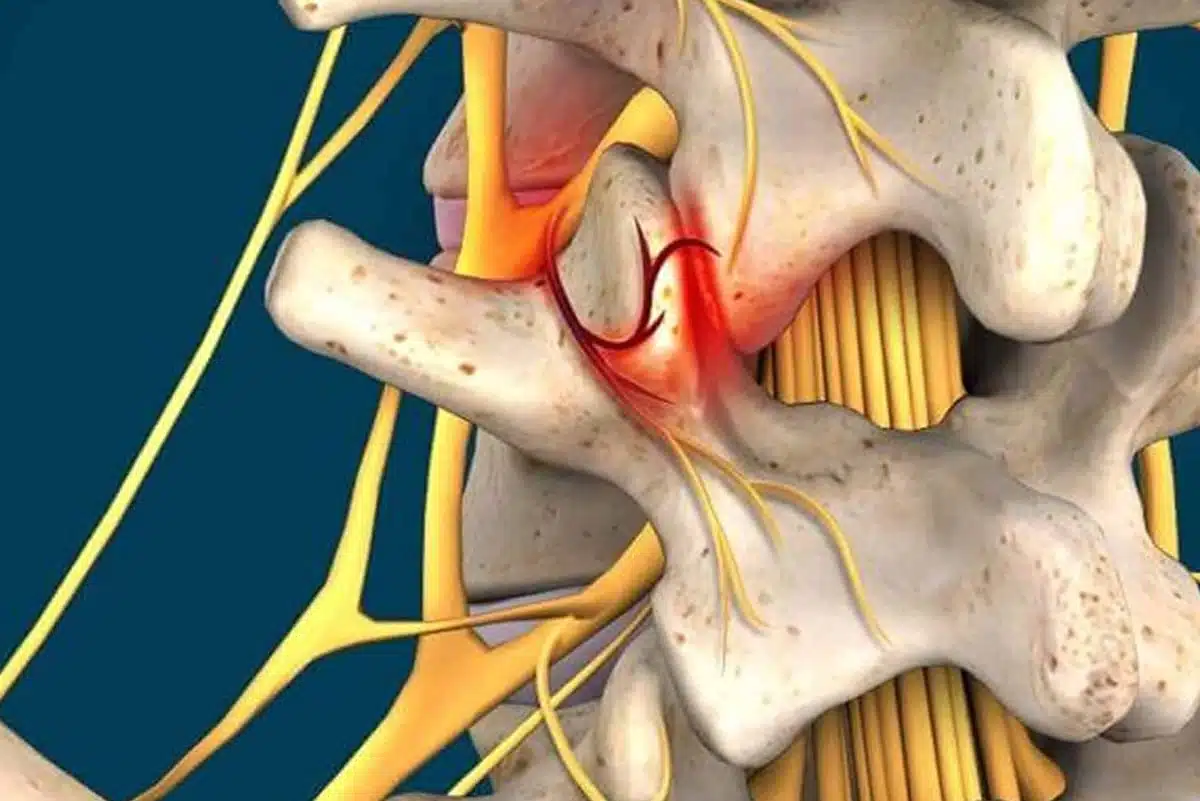
Herniated discs compress nerves and cause sciatica.
-
Narrow passageways pinch nerves, resulting in carpal tunnel syndrome.
-
Chemotherapy drugs injure nerve endings, creating chemotherapy-induced neuropathy.
-
Accidents or surgery directly harm nerves.
How It Feels:
Patients usually describe:
-
Burning or searing sensations
-
Electric shocks or “pins and needles”
-
Numbness or extreme sensitivity
-
Pain that worsens at night or with light touch
Because faulty nerve activity drives these sensations, you need therapies that calm, retrain, or repair the nervous system.

Why Choose Pain Management at Winter Park Regenerative Medicine?
As you age or face injury, stress, or repetitive strain your body may start experiencing persistent pain that affects your joints, muscles, nerves, or spine. At first, you might manage the discomfort. However, over time, untreated pain can escalate, limit your mobility, disturb your sleep, drain your energy, and ultimately diminish your quality of life.
That’s why our team at Winter Park Regenerative Medicine takes a proactive and regenerative approach to pain management. Rather than masking your symptoms with medication, we identify the root cause of your pain and create a personalized treatment plan to address it directly. Using advanced diagnostics and natural, non-surgical therapies, we activate your body’s own healing response, reduce inflammation, repair damaged tissues, and restore function.
Unlike short-term fixes or invasive procedures, our pain management therapies support your body’s recovery and promote long-lasting relief. As a result, you regain control, return to your favorite activities, and enjoy life without constant pain.
Our pain management services:
-
Relieve joint, nerve, back, and muscle pain
-
Reduce inflammation and accelerate healing
-
Restore mobility, strength, and long-term comfort
Integrating Medications with Regenerative Medicine:
At Winter Park Regenerative Medicine, we believe medications should provide immediate relief while regenerative treatments focus on repairing the root cause of nerve pain. Our integrated approach begins by using medications to calm nerve activity and stabilize function, giving patients quick relief from discomfort. At the same time, we incorporate regenerative therapies such as PRP, stem-cell–based injections, and biologics to stimulate nerve healing and tissue repair. For patients who need deeper intervention, advanced neuromodulation techniques like spinal cord or dorsal root ganglion stimulation help retrain pain pathways and restore balance.
Why Choose Pain Management Services In Orlando?

Anticonvulsants

Tricyclic Antidepressants
Serotonin-Norepinephrine Reuptake Inhibitors

Topical Therapies

Opioids and Related Agents
Emerging Options
Frequently Asked Questions
1. What is the best medication for nerve pain?
There is no single “best” medication for nerve pain. Doctors often start with anticonvulsants like gabapentin or antidepressants such as duloxetine, depending on your symptoms and overall health.
2. Do over-the-counter painkillers work for nerve pain?
Common pain relievers like ibuprofen or acetaminophen usually don’t work well for nerve pain. Prescription medications and regenerative treatments are often more effective.
3. Are nerve pain medications safe for long-term use?
Some medications, such as anticonvulsants and antidepressants, can be used long term under medical supervision. However, opioids are typically avoided for extended use due to risks of dependence.
4. Can regenerative medicine replace nerve pain medications?
Yes, regenerative treatments like PRP or stem-cell–based therapy target the root cause of nerve damage and may reduce or even eliminate the need for long-term medications.
5. What are the side effects of nerve pain medications?
Side effects vary depending on the drug. Common ones include dizziness, drowsiness, or stomach upset. Your doctor will monitor your response and adjust your treatment to minimize risks.
6. How long does it take for nerve pain medications to work?
Some medications, such as anticonvulsants, may take a few days to weeks to reach full effectiveness. Doctors usually start with a low dose and increase gradually for best results.