Platelet Rich Plasma PRP Winter Park
Platelet Rich Plasma (PRP) Winter Park – Natural Healing at Winter Park Regenerative Medicine
When you feel pain or struggle to recover from injury, the last thing you want is endless medications or invasive surgery. Fortunately, modern regenerative medicine offers an alternative, one that taps into your body’s own biology to repair, restore, and rejuvenate. At Winter Park Regenerative Medicine, we provide Platelet Rich Plasma (PRP) therapy, a natural treatment that may help support healing, with little downtime.
If you live in Winter Park or the greater Orlando area, PRP therapy gives you a non-surgical option for lasting relief and better quality of life. PRP aims to support your body’s own healing response rather than only masking symptoms. With our expert team guiding your care, you can finally move forward with confidence, comfort, and lasting results.
Schedule a Free Consultation
What Is PRP Therapy?
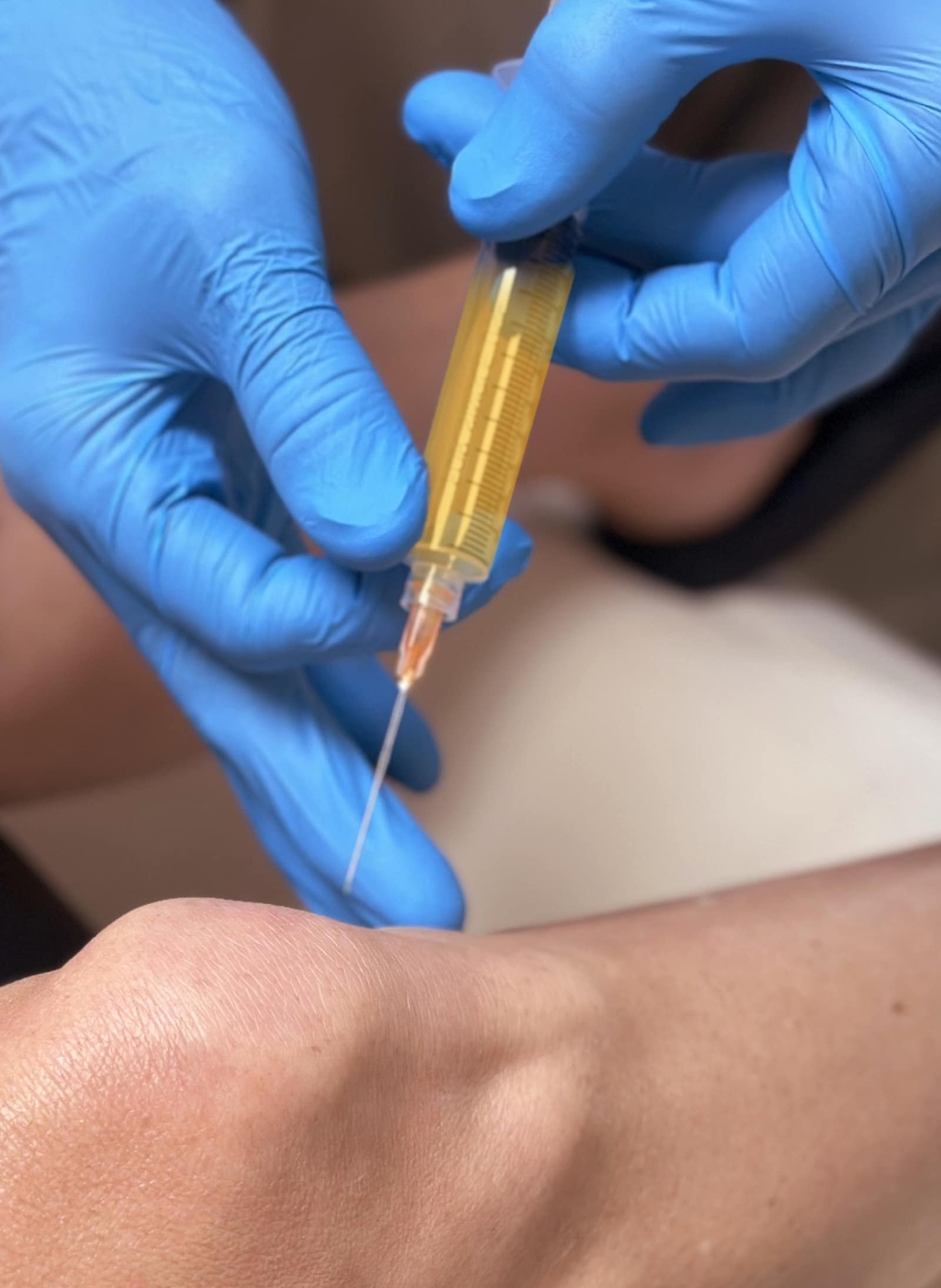
Platelet Rich Plasma (PRP) therapy uses the natural healing power of your own blood to repair damaged tissues. The process begins when your provider draws a small sample of your blood, similar to a routine lab test. That sample is then placed into a centrifuge, which spins at high speed to separate the platelets from the plasma. Once concentrated, the plasma, rich in growth factors and healing proteins, is carefully injected into the injured or painful area.
How PRP Works
Platelets are best known for helping blood clot, but they also contain proteins called growth factors. These growth factors play a role in:
- Cell repair
- Collagen production
- Controlling inflammation
- Forming new blood vessels
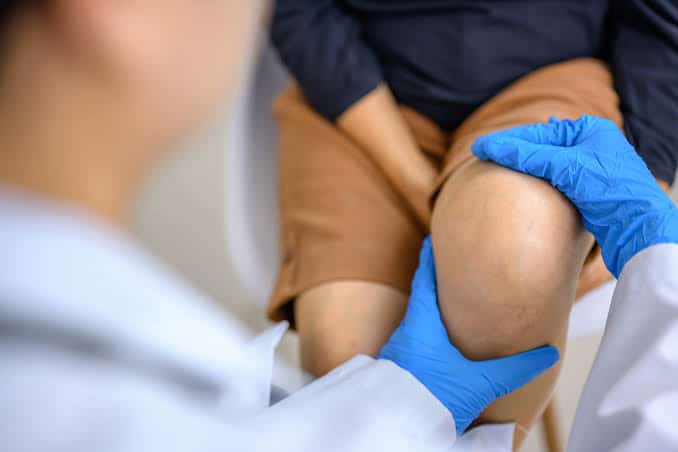
When concentrated PRP is injected into an injured or worn area, these growth factors may help start the body's natural healing response. Because PRP comes from your own blood, the risk of an allergic reaction or rejection is very low.
PRP vs. Corticosteroid Injections
Corticosteroid (cortisone) injections can ease pain and inflammation in the short term, but the relief often wears off, and repeated corticosteroid injections may weaken tissue over time. PRP works differently: it aims to support your body's own healing response.
How PRP Works
Platelets are best known for helping blood clot, but they also contain proteins called growth factors. These growth factors play a role in:
- Cell repair
- Collagen production
- Controlling inflammation
- Forming new blood vessels
When concentrated PRP is injected into an injured or worn area, these growth factors may help start the body's natural healing response. Because PRP comes from your own blood, the risk of an allergic reaction or rejection is very low.
PRP vs. Corticosteroid Injections
Corticosteroid (cortisone) injections can ease pain and inflammation in the short term, but the relief often wears off, and repeated corticosteroid injections may weaken tissue over time. PRP works differently: it aims to support your body's own healing response.

The PRP Procedure, Step by Step
- Consultation: we review your symptoms, medical history and goals to see whether PRP is right for you.
- Blood draw: a small sample of blood is taken, similar to a routine lab test.
- Processing: the sample is spun in a centrifuge to separate and concentrate the platelets.
- Injection: the PRP is injected into the treatment area, using image guidance when needed for accuracy.
- Aftercare: you receive personal aftercare instructions to support healing.
A session usually takes 45–60 minutes. Most people can return to normal activities shortly afterward, although strenuous exercise may need to wait, depending on the area treated.
Platelet Rich Plasma (PRP) Winter Park:
Choosing PRP therapy at Winter Park Regenerative Medicine offers several powerful benefits:
-
Natural and safe: Because PRP uses your own blood, allergic reactions are unlikely.
-
Supports healing: Growth factors in PRP may help stimulate tissue repair.
-
Minimally invasive: The procedure requires no surgery and involves little to no downtime.
-
Versatile treatment: PRP effectively addresses joint pain, sports injuries, skin rejuvenation, and even hair restoration.
-
Long-lasting results: By supporting natural healing, PRP may deliver improvements that build over time.

Orthopedic and Sports Uses of PRP
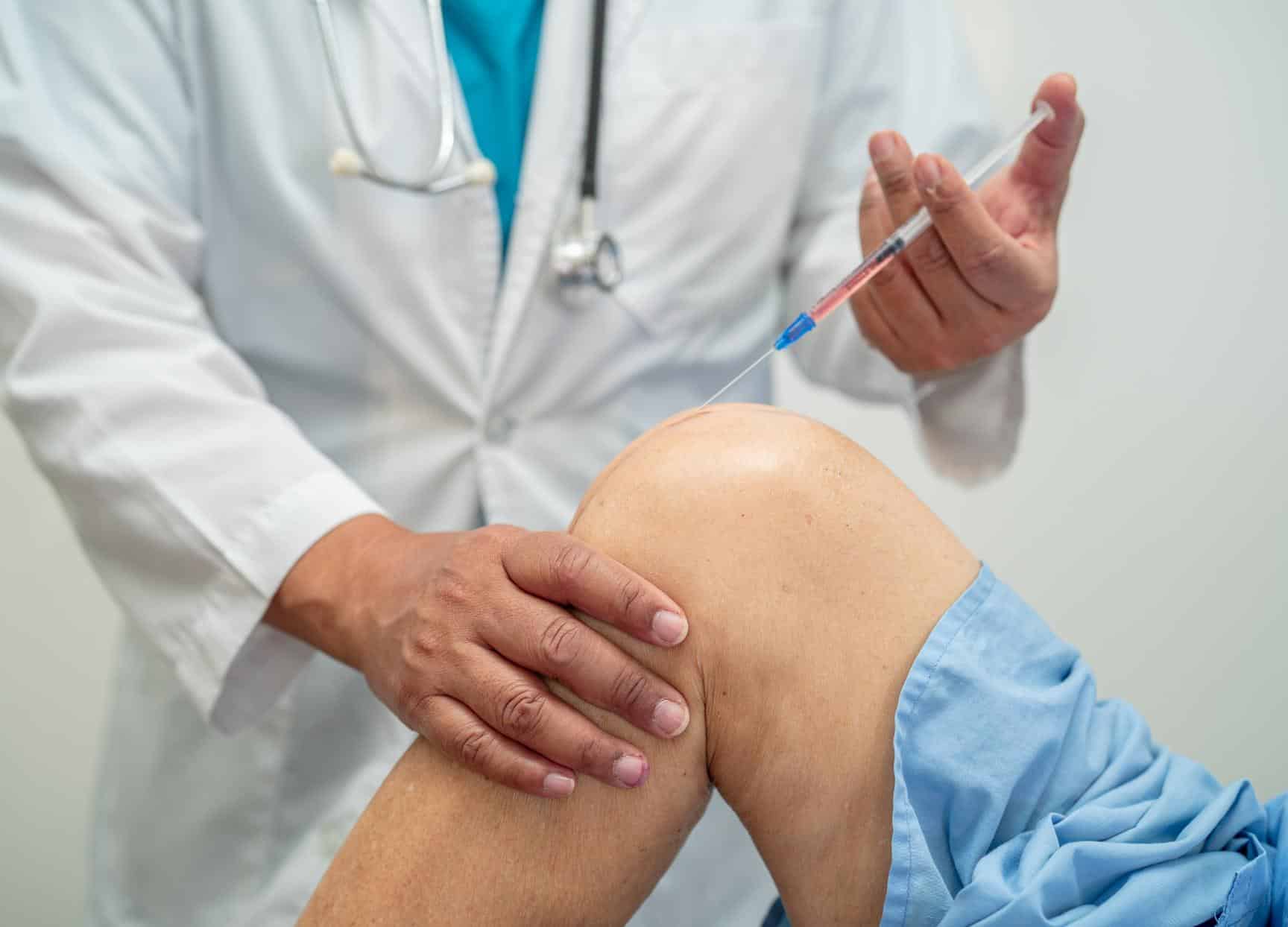
PRP is widely used for muscle, joint and tendon problems, including:
- Joint pain and osteoarthritis: PRP may help reduce inflammation and support joint health in the knee, hip, shoulder and other joints.
- Tendon and ligament injuries: such as tendonitis, rotator cuff problems, Achilles and patellar tendonitis, plantar fasciitis and ligament strains.
- Back and spine-related pain: in selected cases, PRP may help with soft tissue injuries and disc-related discomfort.
- Recovery after injury: PRP may support healing after trauma or overuse injuries.
Active people and athletes also use PRP for tennis elbow, golfer's elbow, hamstring strains, knee ligament injuries and shoulder impingement, to support healing and a return to activity.
PRP for Hair and Skin
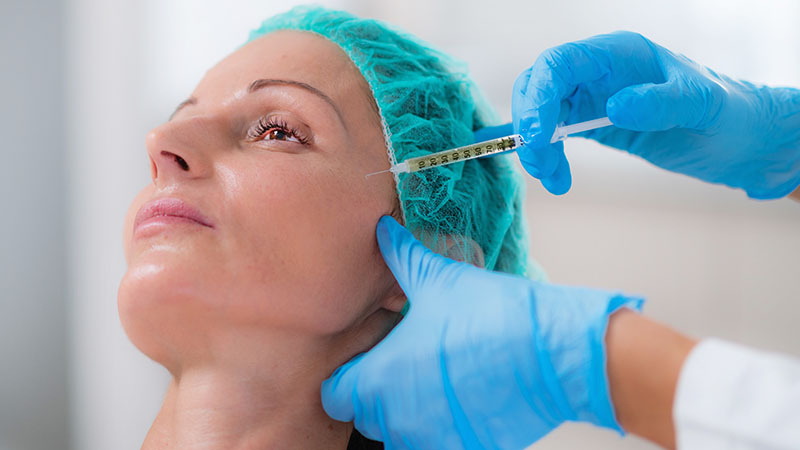
PRP is also used outside of joint and injury care. For thinning hair, PRP injected into the scalp may help support hair follicles and hair density over several sessions. For skin, PRP is often combined with microneedling to help improve fine lines, acne scars and skin texture.
Learn more about our hair loss treatments and aesthetic treatments.
PRP for Hair and Skin
PRP is also used outside of joint and injury care. For thinning hair, PRP injected into the scalp may help support hair follicles and hair density over several sessions. For skin, PRP is often combined with microneedling to help improve fine lines, acne scars and skin texture.
Learn more about our hair loss treatments and aesthetic treatments.

Why PRP Therapy Has Become So Popular:
In recent years, professional athletes, weekend warriors, and everyday individuals alike have turned to PRP therapy. But why?
-
It may support healing – PRP works with the body’s natural repair processes.
-
It reduces inflammation – Growth factors in PRP calm inflammation at the injury site.
-
It may improve function – By supporting tissue healing, PRP may help you regain mobility and strength.
-
It’s non-surgical – Many patients use PRP as a non-surgical alternative with far less downtime.
-
It uses your own blood – Since the injection comes from your own blood, side effects remain minimal.
As a result, PRP continues to gain recognition among physicians and patients who want a cutting-edge yet natural therapy.
Your Journey: Platelet Rich Plasma (PRP) Therapy in Winter Park
Your PRP therapy journey begins with a personalized consultation, where our specialists evaluate your condition, review your health history, and determine if you’re an good candidate for treatment.
PRP is often given as a series; your provider will estimate how many sessions you may need. Sessions are usually spaced several weeks apart, with additional maintenance treatments as needed depending on the condition being treated. The procedure usually takes under an hour, is minimally invasive and requires little to no downtime.
After treatment, you may notice mild redness, swelling, or tenderness at the injection site, but these effects typically resolve within 24–48 hours. As your body responds to the growth factors in PRP, you’ll begin to see gradual improvements in pain relief, healing, or rejuvenation over the following weeks and months.
PRP Before and After: What to Expect
Results build gradually over the weeks after treatment. Many patients report less pain, better mobility and an easier recovery from injuries, and some notice healthier skin or fuller hair when PRP is used for those concerns. Results vary from person to person.
Your provider will explain what you can realistically expect at your consultation.
Your Journey: Platelet Rich Plasma (PRP) Therapy in Winter Park
Your PRP therapy journey begins with a personalized consultation, where our specialists evaluate your condition, review your health history, and determine if you’re an good candidate for treatment.
PRP is often given as a series; your provider will estimate how many sessions you may need. Sessions are usually spaced several weeks apart, with additional maintenance treatments as needed depending on the condition being treated. The procedure usually takes under an hour, is minimally invasive and requires little to no downtime.
After treatment, you may notice mild redness, swelling, or tenderness at the injection site, but these effects typically resolve within 24–48 hours. As your body responds to the growth factors in PRP, you’ll begin to see gradual improvements in pain relief, healing, or rejuvenation over the following weeks and months.
PRP Before and After: What to Expect
Results build gradually over the weeks after treatment. Many patients report less pain, better mobility and an easier recovery from injuries, and some notice healthier skin or fuller hair when PRP is used for those concerns. Results vary from person to person.
Your provider will explain what you can realistically expect at your consultation.
Your Healing Timeline
PRP works with your body's natural healing, so results develop gradually. A typical timeline looks like this, although results vary:
- First week: mild soreness or swelling as the healing response begins.
- 2–6 weeks: pain relief and better mobility often start to appear.
- 6–12 weeks: tissue healing becomes more noticeable, with improved function.
- 3 months and beyond: improvements may continue as tissue strengthens.
Depending on your condition, your provider may recommend more than one session.
Is PRP Covered by Insurance?
PRP is usually not covered by insurance. We'll give you clear pricing at your consultation.
Ready to Heal Naturally with PRP?
If you’re searching for a natural way to relieve pain, speed recovery, or rejuvenate your appearance, Platelet Rich Plasma (PRP) therapy offers an advanced alternative to surgery and long-term medications. With minimal downtime, visible improvements, and long-lasting results, PRP may be the regenerative solution you’ve been waiting for.
Book your consultation today at Winter Park Regenerative Medicine to learn more about PRP Therapy and take the first step toward healing, restoration, and a better quality of life.
