
If you have recently noticed a persistent drag in your morning energy, an unexpected softness around your midsection, or a sudden dip in your focus and drive, you are experiencing a well-documented physiological shift. As men mature, a steady decline in serum testosterone is a biologically natural event but accepting chronic fatigue, cognitive fog, or a diminished libido as an unchangeable reality is entirely optional. When seeking to reverse these changes, most men stand at a critical crossroads, choosing between two vastly different approaches: over-the-counter Testosterone Boosters or clinical Testosterone Replacement Therapy (TRT).
While consumer marketing behind both options promises to restore your youthful strength, stamina, and confidence, they function through completely different physiological mechanisms. Selecting an ineffective or unmonitored pathway can result in wasted capital, missed expectations, or unmonitored endocrinological side effects. This comprehensive guide by Winter Park Regenerative Medicine breaks down the underlying science, efficacy, safety profiles, and clinical realities of TRT versus testosterone boosters, equipping you with the professional insights needed to safely reclaim your vitality.
1. Understanding Testosterone: Your Body’s Master Regulator
To properly evaluate your treatment options, it helps to understand the systemic role testosterone plays within the male body. Far from being just a single-faceted hormone responsible for muscle mass or aggression, testosterone is the primary androgenic steroid hormone that acts as a vital cellular regulator across multiple physiological systems. Testosterone actively modulates several key areas of your health:
- Metabolic Function & Body Composition: It directs nutrient partitioning, signalling your body to utilize energy for lean muscle tissue synthesis rather than converting it into visceral fat storage.
- Cognitive Sharpness: It supports neurovascular integrity and neurotransmitter pathways, directly influencing executive function, memory retention, and spatial awareness.
- Cardiovascular and Bone Integrity: It stimulates erythropoiesis (the production of red blood cells) and maintains critical bone mineral density, protecting your skeletal framework as you age.
- Psychological Well-Being: It regulates baseline mood, stress resilience, and competitive drive by balancing cortisol and supporting dopamine signalling pathways.
The Clinical Reality of “Low T”
Around age 30, a man’s natural production of endogenous testosterone begins to taper off by roughly 1% to 2% per year. However, for many men, this decline occurs far more sharply or falls below healthy physiological thresholds, leading to a clinical condition known as hypogonadism. When free and total testosterone levels drop below healthy parameters, your body signals this deficit through distinct physical, mental, and emotional channels.
| Physical Manifestations | Cognitive & Emotional Manifestations |
| Persistent fatigue despite optimal sleep hygiene | Pervasive “brain fog” and decreased mental acuity |
| Accelerated loss of lean muscle mass and physical strength | Increased irritability, anxiety, or low baseline mood |
| Stubborn weight gain, particularly visceral adiposity | Diminished ambition, motivation, and competitive drive |
| Reduced libido and varying degrees of erectile dysfunction | Disrupted sleep architecture and night time waking |
When these symptoms compound, they diminish your overall quality of life. At Winter Park Regenerative Medicine, we specialize in identifying whether these indicators point to true clinical hypogonadism or if other underlying metabolic factors are at play.
2. What Exactly Are Testosterone Boosters?
Testosterone boosters are over-the-counter (OTC) dietary supplements widely available at health food stores, gyms, and digital marketplaces. Unlike prescription medical interventions, they do not introduce actual hormones into your system. Instead, they are oral formulations composed of vitamins, minerals, and botanical extracts designed to support or stimulate your body’s existing, internal hormone production machinery.
Common Ingredients in OTC Formulations
If you look at the back of a standard supplement bottle, you will typically find a proprietary blend of the following ingredients:
- D-Aspartic Acid (DAA): An amino acid involved in the synthesis of luteinizing hormone (LH). While it can spark a brief upsurge in hormone signalling, clinical data indicates these spikes are typically temporary and fail to sustain elevated levels over time.
- Fenugreek Extract: A popular herb shown in limited trials to help inhibit the enzymes that convert testosterone into estrogen or dihydrotestosterone (DHT), marginally increasing circulating free testosterone.
- Tribulus Terrestris: A traditional botanical frequently marketed for physical performance. While studies indicate it can support libido and sexual well-being, clinical evidence suggests it has a negligible impact on actual serum testosterone levels.
- Zinc and Vitamin D3: Fundamental micronutrients required for baseline testicular function. Deficiencies in these minerals are heavily linked to low hormone production, making replenishment highly beneficial if you are baseline deficient.
- Ashwagandha: An adaptogenic herb that helps reduce systemic cortisol (the stress hormone). Because cortisol and testosterone share an inverse relationship, mitigating chronic stress can indirectly optimize your natural hormonal environment.
The Strict Limits of a Supplemental Approach
While high-quality supplements can serve as excellent adjuncts to a foundational health routine, they have a strict functional ceiling. If your body’s Leydig cells (the cells in the testes responsible for producing testosterone) are significantly compromised due to age, genetics, or underlying medical conditions, lifestyle supplements cannot fix the root structural issue. They can optimize what you have, but they cannot replace what is missing Furthermore, because dietary supplements face minimal regulatory oversight by the FDA, ingredient purity, exact dosages, and clinical safety can vary wildly from brand to brand. For men experiencing true clinical Low T, relying on supplements often results in a frustrating cycle of high monthly expenses with zero measurable improvement on their lab panels.
3. What is Testosterone Replacement Therapy (TRT)?
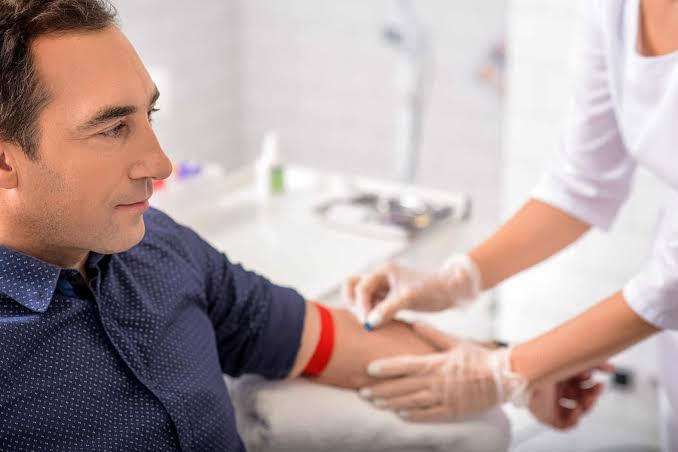
Testosterone Replacement Therapy (TRT) is a highly customized, medically supervised treatment that delivers precise doses of bioidentical testosterone directly into your system. Rather than hoping your body will produce more hormone through herbal stimulation, TRT introduces the exact molecular match of the testosterone your body is missing, safely restoring your serum levels back into an optimal, healthy physiological range. Because TRT is a regulated medical protocol, it requires comprehensive diagnostic blood work, a thorough initial physical assessment, and continuous monitoring by qualified hormone specialists. At Winter Park Regenerative Medicine, our medical team ensures your protocol is tailored exactly to your body’s metabolic baseline.
Advanced Delivery Systems Used in Clinical Practice
Because no two men share the exact same biochemistry or lifestyle, a personalized approach to TRT utilizes various administration methods depending on your preferences, absorption rates, and metabolic clearance:
- Intramuscular or Subcutaneous Injections: Administered weekly or bi-weekly, injections offer rapid absorption and highly predictable, stable hormone releases. This remains the gold standard for precision dosing, allowing fine adjustments down to the milligram.
- Subcutaneous Pellet Implants: Small, bioidentical pellets are gently placed just beneath the skin during a brief, minimally invasive in-office procedure. They slowly dissolve over 3 to 6 months, offering hands-free consistency without daily routines or weekly needles.
- Topical Gels and Bioidentical Creams: Applied daily to clean skin, transdermal options enter the bloodstream gradually, mimicking the natural daily rhythm of hormone release.

4. Head-to-Head Comparison: TRT vs. Testosterone Boosters
To understand which pathway aligns with your health goals, it is essential to look past marketing claims and examine how these approaches compare across key performance, economic, and safety metrics.
| Feature | Testosterone Boosters (OTC Supplements) | Clinical TRT at Winter Park Regenerative Medicine |
| Primary Mechanism | Encourages the body to optimize its own limited, natural hormone production. | Directly replenishes systemic hormone deficiencies with bioidentical testosterone. |
| Regulation & Control | Minimal oversight; ingredient quality, fillers, and exact dosages can vary wildly. | Strict medical supervision, pharmaceutical-grade hormones, and precise dosing. |
| Clinical Efficacy | May provide minor support for mild deficiencies or boost libido; ineffective for true hypogonadism. | Highly reliable; clinically proven to restore optimal testosterone ranges regardless of starting levels. |
| Diagnostic Requirements | None required; purchased blindly over the counter without looking at internal biomarkers. | Thorough pre-treatment blood labs, medical history review, and ongoing follow-up monitoring. |
| Speed of Results | Vague, inconsistent timeline; often relies on a placebo effect or temporary energy boosts from caffeine fillers. | Clear, structured physical and mental improvements noticeable within weeks, peaking by months 3 to 6. |
| Cost Profile | Continuous monthly out-of-pocket costs for supplements that rarely yield measurable results. | An investment in comprehensive medical care, regular lab work, and highly effective, targeted therapies. |
5. The Root Science: Why TRT Wins for Clinical Deficiencies
The critical flaw in relying on over-the-counter testosterone boosters for true clinical hypogonadism lies in biological feedback loops. Hormone production is entirely governed by the Hypothalamic-Pituitary-Gonadal (HPG) Axis. When your brain senses that your body needs more testosterone, the hypothalamus releases Gonadotropin-Releasing Hormone (GnRH), which tells the pituitary gland to release Luteinizing Hormone (LH). This LH travels through the bloodstream to signal your testicles to produce testosterone.
[Hypothalamus] ──(GnRH)──> [Pituitary Gland] ──(LH)──> [Testicles] ──> Testosterone Production
If your low testosterone is caused by primary hypogonadism where the testicular tissue itself is naturally declining due to age or structural shifts no amount of herbal supplementation can force those cells to out-produce their current biological capacity. The machinery is simply running low on raw potential. Clinical TRT at Winter Park Regenerative Medicine bypasses this sluggish signalling pathway entirely. By introducing the exact bioidentical hormone required by your cells, TRT reliably ensures that your muscles, brain, heart, and metabolic tissues receive the precise fuel they need to function optimally, reversing symptoms at the cellular level.
6. The Clinical Protocol: Why Medical Supervision is Non-Negotiable
One of the most significant dangers of self-treating with random over-the-counter boosters is the complete lack of diagnostic insight. Hormonal optimization is an intricate science. Simply trying to push one number up without understanding the systemic balance can lead to unexpected changes elsewhere in your endocrine system. When you choose a medically supervised TRT program with Winter Park Regenerative Medicine, your health is continually guided by data-driven safety protocols:
- Total vs. Free Testosterone Levels: Standard blood panels often look only at total testosterone. Our clinical team measures both total and free testosterone (the unattached, active hormone your body can actually use) to build an accurate picture of your health.
- Estrogen (Estradiol) Management: When testosterone levels increase, some of it naturally converts into estrogen via an enzyme process known as aromatization. Our medical specialists track this closely to prevent imbalances like mood swings or fluid retention.
- Complete Blood Count (CBC) and Hematocrit: Testosterone naturally supports red blood cell production. We routinely check your hematocrit levels to ensure your blood thickness remains perfectly balanced and safe for cardiovascular longevity.
- Prostate Health Screening (PSA): Routine evaluation of Prostate-Specific Antigen ensures your therapy runs safely and smoothly over the long term.
7. Reclaim Your Vitality at Winter Park Regenerative Medicine
You don’t have to accept constant fatigue, a slowing metabolism, and an overall loss of drive as a mandatory tax on getting older. At Winter Park Regenerative Medicine, we believe in moving past standard “cookie-cutter” treatments and temporary fixes. We focus entirely on root-cause optimization to help you feel like your true, high-performing self again. Located in the heart of Winter Park, Florida, our clinic offers a safe, professional, and entirely personalized environment for men seeking real answers to hormone imbalances.
Why Men Choose Our Winter Park Clinic
-
Board-Certified Expertise: Our protocols are designed and managed by seasoned experts specializing in hormone replacement therapy and whole-body regenerative wellness.
-
Pure Bioidentical Hormones: We use medical-grade, bioidentical hormones that precisely match your body’s natural chemical structure, optimizing absorption while minimizing risks.
-
Comprehensive Wellness Integration: We don’t just look at a single lab value. Our team blends clinical hormone therapy with tailored lifestyle, sleep, and nutritional guidance to maximize your overall energy and performance.
Stop spending money on over-the-counter supplements that deliver little more than empty promises. Get the scientific clarity, medical safety, and real results your body deserves. Take the first step toward reclaiming your energy, strength, and confidence today.