

Wrist pain can quietly disrupt every part of your routine from typing and writing to lifting objects, exercising, or even sleeping comfortably. If you are searching for “wrist joint pain near me”, you are likely looking for fast, effective, and long-term relief. At Winter Park Regenerative Medicine, we take a modern, root-cause approach to joint pain. Instead of simply masking symptoms, we focus on repairing damaged tissues and restoring natural function through advanced regenerative therapies.
Why Wrist Pain Can Quickly Disrupt Daily Life
The wrist is one of the most active and delicate joints in the body. It supports constant motion and pressure throughout the day, which makes it highly vulnerable to overuse and injury. Even mild inflammation can lead to:
- Difficulty gripping objects
- Pain during typing or writing
- Weakness in the hand and fingers
- Reduced flexibility and range of motion
When left untreated, these issues can progress into chronic joint dysfunction that interferes with work and lifestyle.
Hidden Causes Behind Persistent Wrist Discomfort
Wrist joint pain is not always caused by a single injury. In many cases, it develops gradually due to repeated stress or underlying joint conditions.
1: Repetitive Overuse and Strain
Daily activities such as computer work, texting, lifting, or manual labor can strain tendons and ligaments, leading to inflammation and micro-damage over time.
2: Nerve Compression Conditions
Conditions like carpal tunnel syndrome occur when pressure is placed on nerves in the wrist, causing numbness, tingling, and burning sensations in the hand.
3: Sudden Injuries and Trauma
Falls, sports injuries, or accidents can damage ligaments and soft tissues, resulting in swelling, instability, and persistent pain.
4: Degenerative Joint Conditions
Age-related wear and tear or autoimmune conditions can lead to cartilage breakdown and chronic stiffness in the wrist joint. Wrist Osteoarthritis
5: Tendon Inflammation
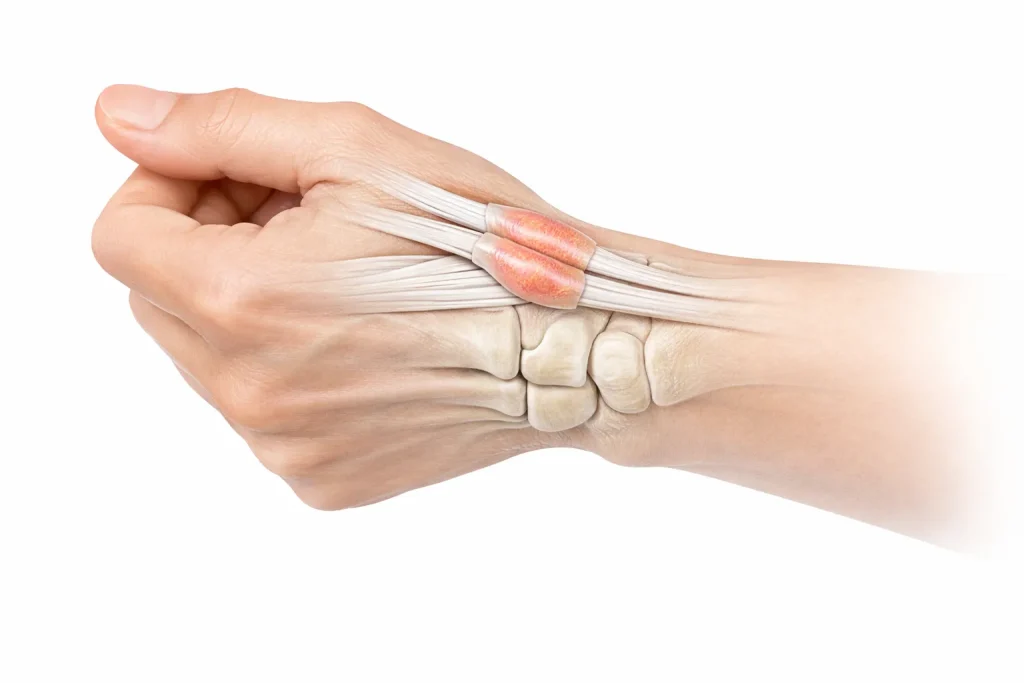
Tendinitis develops when tendons become irritated due to repetitive motion, often causing sharp pain that worsens with activity.
6: Systemic Health Factors
Medical conditions such as gout, diabetes, or hormonal imbalances may also contribute to joint inflammation and discomfort.
Early Warning Signs You Should Not Ignore
Wrist problems often start subtly but become more severe over time. Common warning signs include:
- Continuous or recurring wrist pain
- Swelling or tenderness around the joint
- Weak grip strength or dropping objects
- Tingling or numbness in fingers
- Clicking or popping sensations
- Stiffness after rest or sleep
If these symptoms persist, it’s a sign that the underlying tissue may be damaged and requires proper evaluation.
When Wrist Pain Becomes a Medical Concern
Not all wrist pain is temporary. You should seek professional care if you experience:
- Pain lasting longer than one to two weeks
- Increasing swelling or visible joint changes
- Difficulty performing basic hand movements
- Pain that interferes with sleep or daily tasks
- Numbness or tingling spreading into the arm or fingers
Ignoring these signs can lead to long-term joint damage and reduced mobility.
Conventional Approaches and Their Limitations
Traditional wrist pain treatments primarily focus on managing symptoms rather than addressing the underlying cause of the problem. These approaches typically include the use of anti-inflammatory medications to reduce pain and swelling, wrist braces or immobilization to limit movement and provide support, physical therapy sessions to improve strength and mobility, and steroid injections to temporarily control inflammation.
In more severe cases, surgical intervention may be recommended to repair structural damage. While these methods can offer short-term relief and improved comfort, they often do not fully repair damaged ligaments, tendons, or cartilage, which means the root cause of the pain may still persist over time.
A New Era of Healing: Regenerative Medicine for Wrist Pain
Regenerative medicine represents a shift from symptom control to tissue repair and restoration. At Winter Park Regenerative Medicine, we use advanced biological treatments that support the body’s natural ability to heal itself.
1: Platelet-Rich Plasma (PRP) Therapy
PRP therapy uses concentrated platelets from your own blood to deliver growth factors directly to the injured area, promoting tissue repair and reducing inflammation.
2: Stem Cell-Based Regenerative Therapy
Stem cell treatments help regenerate damaged ligaments, tendons, and joint structures, supporting long-term recovery and improved joint function.
3: Targeted Anti-Inflammatory Joint Injections
These precision treatments help reduce inflammation while supporting the healing environment inside the joint.
4: Personalized Functional Rehabilitation
Rehabilitation programs are designed to restore strength, flexibility, and stability after regenerative procedures.
How Regenerative Treatment Helps Restore Wrist Function
Patients who undergo regenerative care often experience improvements such as:
- Long-lasting pain reduction
- Improved wrist mobility and flexibility
- Stronger grip and hand function
- Faster recovery compared to surgery
- Reduced reliance on pain medication
- Better overall joint stability
Unlike conventional treatments, regenerative therapy focuses on repairing the actual source of pain.
Why Patients Choose Winter Park Regenerative Medicine
Every patient’s condition is unique, which is why personalized care is essential. At our clinic, we emphasize:
- Detailed diagnostic evaluation of wrist pain
- Customized regenerative treatment plans
- Minimally invasive, non-surgical procedures
- Focus on long-term healing and joint preservation
- Patient-centered care with measurable outcomes
Our mission is to help patients return to an active, pain-free lifestyle without unnecessary surgical risks.
Everyday Habits That Protect Your Wrist Health
The Importance of Early Treatment for Wrist Pain
Delaying treatment often leads to worsening inflammation and progressive joint damage. Early intervention offers the best chance for full recovery and restored function. Regenerative medicine is most effective when used in the early stages of tissue damage, before chronic degeneration occurs.
Final Thoughts: A Smarter Approach to Wrist Pain Relief
If you are actively searching for “wrist joint pain near me”, it means your body is already signaling that something needs attention. Ignoring these symptoms can lead to long-term limitations in movement and quality of life. At Winter Park Regenerative Medicine, we offer a modern, science-backed solution that goes beyond temporary relief. Our regenerative treatments are designed to repair, restore, and rebuild joint health naturally.
Take the Next Step Toward Recovery
Wrist pain does not have to become a permanent part of your life. With the right diagnosis and advanced regenerative care, recovery is possible without surgery or long-term dependency on medication. Early action can make a significant difference in restoring comfort, strength, and mobility.