
Facet Joints Pain
Schedule a Free Consultation
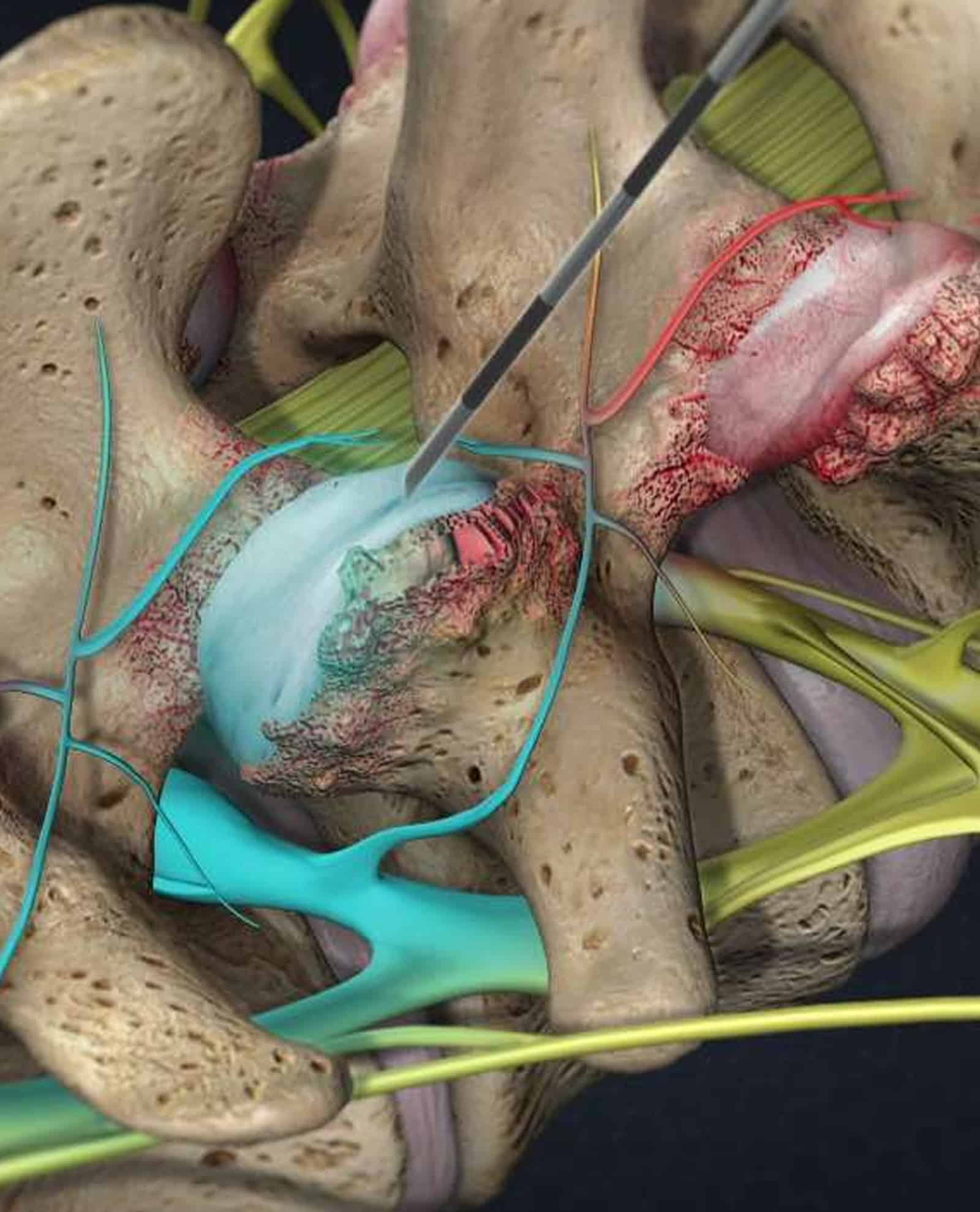
What Happens When Facet Joints Become Painful?
Facet joint pain develops when the cartilage begins to wear down or inflammation builds within the joint capsule. This condition is commonly referred to as facet joint syndrome or facet arthropathy.
Common Symptoms of Facet Joint Pain:
Facet joint pain can present in various ways, and recognizing its symptoms early can help patients seek timely treatment. Common signs of facet joint dysfunction include:
Localized pain
Pain that is typically felt in the neck, mid-back, or lower back, depending on the affected area.
Stiffness
Difficulty bending, twisting, or turning the spine, particularly in the morning or after sitting for extended periods.
Pain with movement
Increased discomfort when bending backward, twisting, or standing for long durations.
Radiating pain
Pain may radiate into other areas, such as the shoulders, buttocks, or thighs, if the nerve roots are involved.
Muscle spasms
Tension in the muscles surrounding the affected joint, leading to additional pain and discomfort.
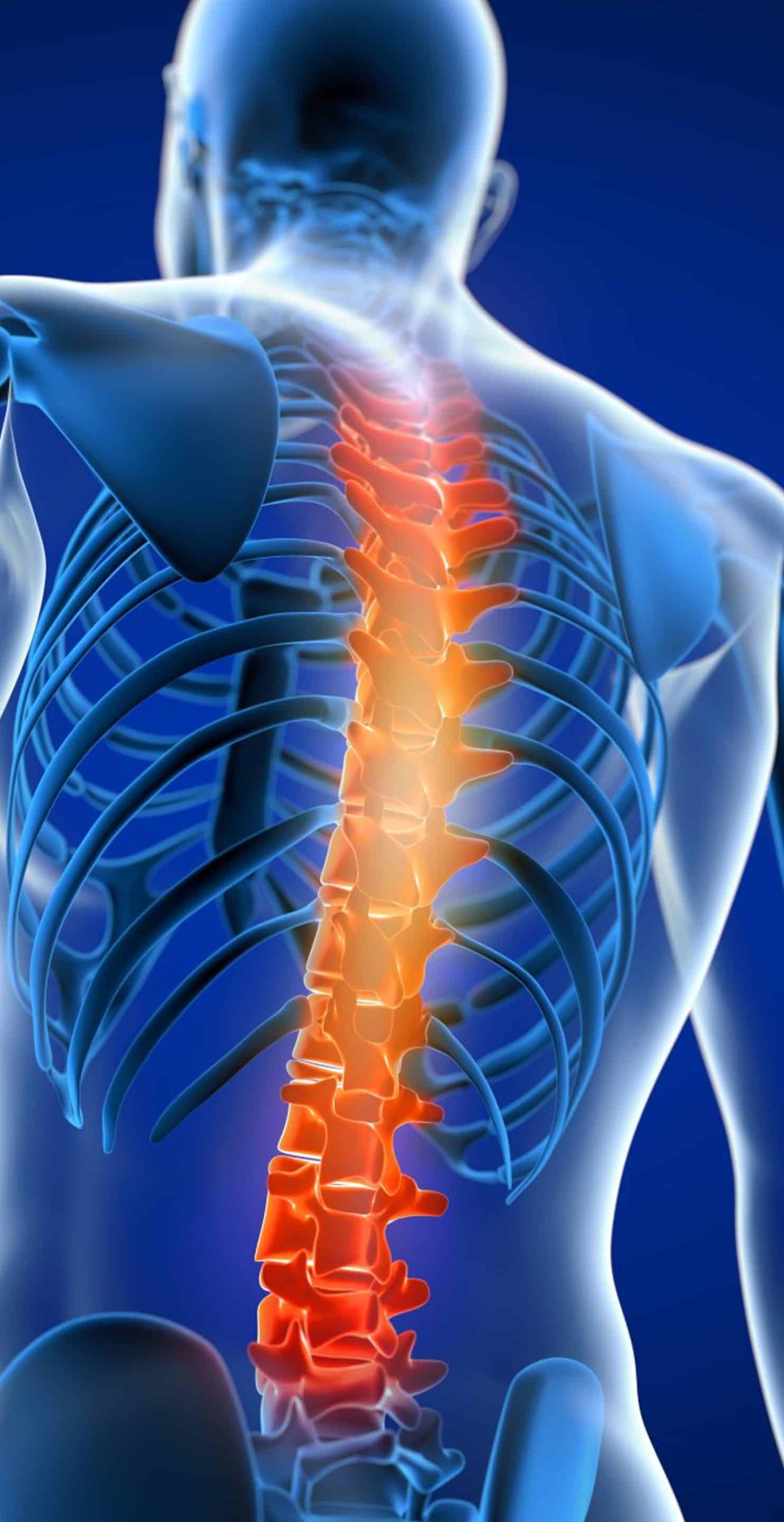
Underlying Reasons Behind Facet Joint Degeneration
Facet joint damage rarely occurs overnight. It is usually the result of long-term stress, mechanical imbalance, or degenerative changes.

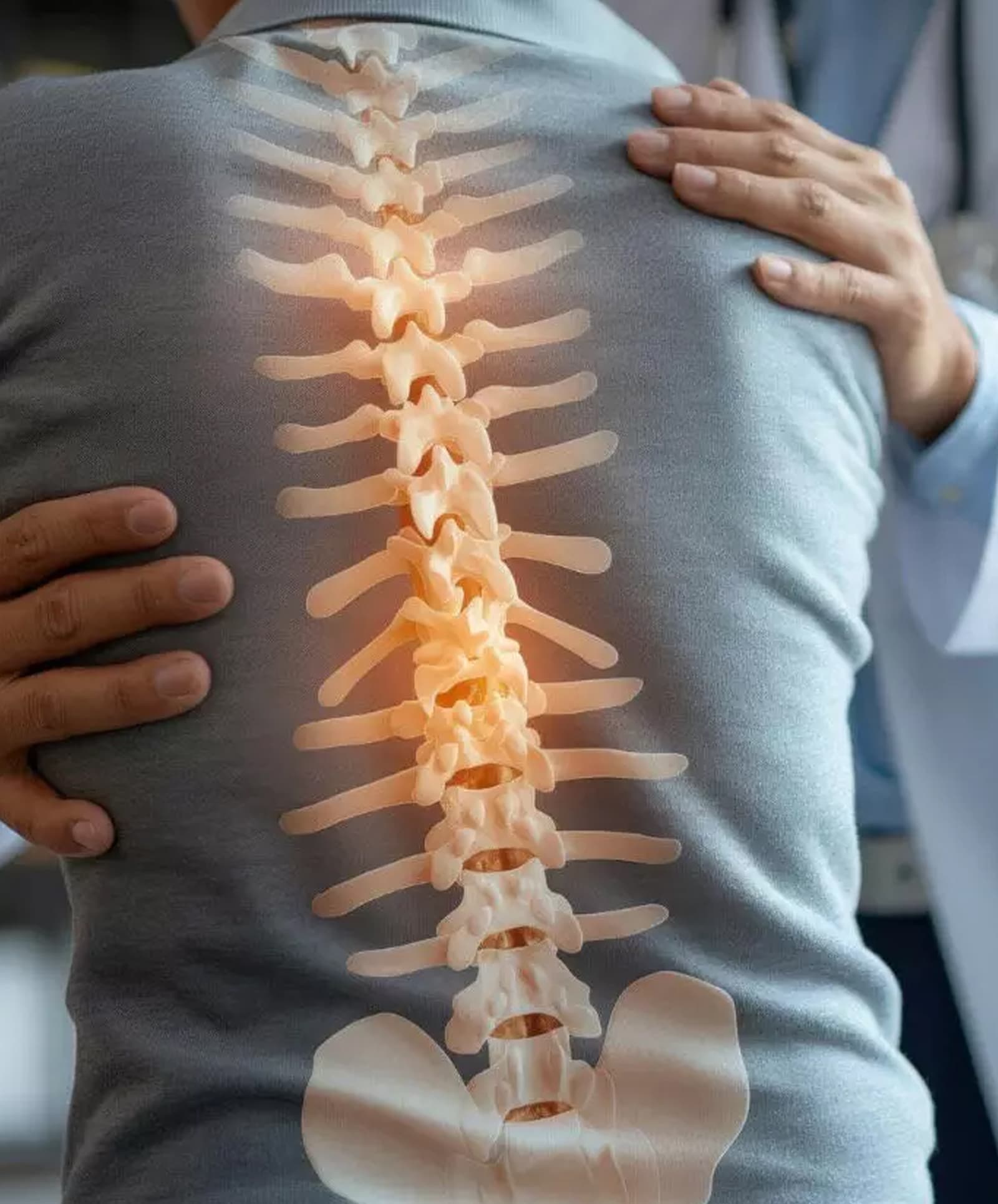
Conventional Medical Treatments for Facet Joint Pain
Traditional treatment approaches typically focus on symptom management rather than joint restoration.
Pain and Anti-Inflammatory Medication
Non-steroidal anti-inflammatory drugs (NSAIDs) and muscle relaxants may reduce inflammation and provide short-term relief.
Physical Rehabilitation Programs
Physical therapy focuses on strengthening core muscles, improving spinal alignment, and restoring flexibility.
Manual Therapy and Chiropractic Care
Spinal adjustments and mobilization techniques may help improve joint movement and reduce stiffness in some patients.
Steroid-Based Injections
Corticosteroid injections reduce inflammation inside the facet joints. However, relief is often temporary and repeated use may have limitations.
Radiofrequency Ablation (RFA)
RFA targets the nerves transmitting pain signals from the facet joints. It can provide months of relief but does not repair damaged tissue.

Conventional Medical Treatments for Facet Joint Pain
Traditional treatment approaches typically focus on symptom management rather than joint restoration.
Pain and Anti-Inflammatory Medication
Non-steroidal anti-inflammatory drugs (NSAIDs) and muscle relaxants may reduce inflammation and provide short-term relief.
Physical Rehabilitation Programs
Physical therapy focuses on strengthening core muscles, improving spinal alignment, and restoring flexibility.
Manual Therapy and Chiropractic Care
Spinal adjustments and mobilization techniques may help improve joint movement and reduce stiffness in some patients.
Steroid-Based Injections
Corticosteroid injections reduce inflammation inside the facet joints. However, relief is often temporary and repeated use may have limitations.
Radiofrequency Ablation (RFA)
RFA targets the nerves transmitting pain signals from the facet joints. It can provide months of relief but does not repair damaged tissue.
Regenerative Medicine: A Modern Approach to Facet Joint Pain
Regenerative medicine is reshaping the treatment of musculoskeletal conditions by focusing on biological healing rather than symptom suppression. At Winter Park Regenerative Medicine, patients receive customized regenerative care designed to support tissue repair, reduce inflammation, and restore spinal function naturally.
PRP Therapy for Spinal Facet Joint Repair
PRP therapy uses concentrated platelets derived from the patient’s own blood. These platelets contain powerful growth factors that may support tissue healing and reduce inflammation.

Stem Cell-Based Therapy for Joint Regeneration
Stem cell therapy represents a more advanced regenerative option being explored for degenerative joint conditions.
Stem cells may help:
- Support repair of damaged tissues
- Reduce inflammatory activity
- Improve joint environment health
- Enhance natural healing responses
Although research is ongoing, many patients consider stem cell therapy as part of a comprehensive, non-surgical treatment plan for chronic spinal pain.
Why Choose Winter Park Regenerative Medicine?
Winter Park Regenerative Medicine provides advanced, patient-centered regenerative care designed to treat the root cause of pain rather than just symptoms.
Their approach focuses on:
- Comprehensive diagnostic evaluation
- Personalized regenerative treatment plans
- Minimally invasive procedures
- Long-term functional improvement
- Non-surgical pain management solutions
The goal is to help patients return to an active, pain-reduced lifestyle without relying on long-term medication or invasive surgery.

Why Choose Winter Park Regenerative Medicine?
Winter Park Regenerative Medicine provides advanced, patient-centered regenerative care designed to treat the root cause of pain rather than just symptoms.
Their approach focuses on:
- Comprehensive diagnostic evaluation
- Personalized regenerative treatment plans
- Minimally invasive procedures
- Long-term functional improvement
- Non-surgical pain management solutions
The goal is to help patients return to an active, pain-reduced lifestyle without relying on long-term medication or invasive surgery.
Final Summary
Facet joint pain is a significant but often underdiagnosed cause of chronic spinal discomfort. It develops gradually due to aging, arthritis, injury, or mechanical stress and can severely impact daily life if left untreated. While traditional treatments may provide temporary relief, they often do not address the underlying joint degeneration.