
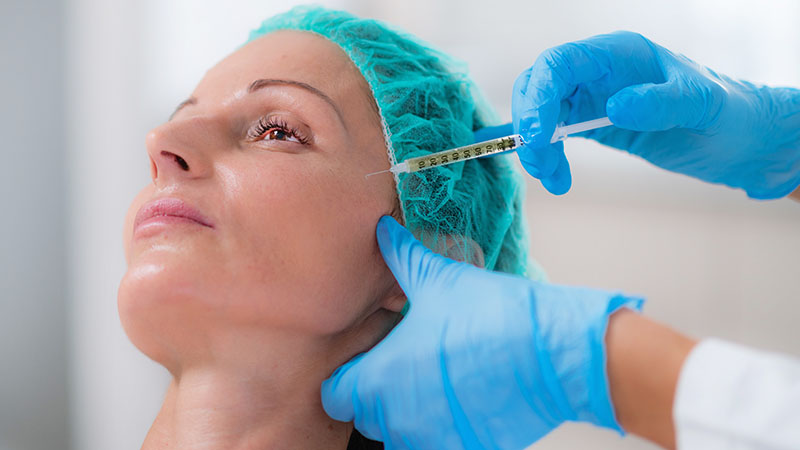
Platelet-rich plasma (PRP) therapy has emerged as a cornerstone of modern regenerative medicine, offering a natural and scientifically grounded approach to healing damaged tissues, reducing chronic pain, and improving functional recovery. At Winter Park Regenerative Medicine, PRP is used as a precision-based treatment designed to activate the body’s own repair systems rather than temporarily masking symptoms.
For patients in Winter Park and the surrounding Orlando region, PRP provides a minimally invasive alternative for musculoskeletal conditions, sports injuries, hair loss, and aesthetic rejuvenation. It is increasingly preferred by individuals seeking long-term healing without surgery, prolonged medication use, or extended downtime.
Understanding PRP Therapy: A Natural Concentration of Healing Factors
Platelet-rich plasma is derived from a small sample of the patient’s own blood. After collection, the blood is processed using a specialized centrifugation technique that separates and concentrates platelets within the plasma. These platelets are rich in bioactive proteins known as growth factors. These growth factors play a critical role in:
- Cellular repair
- Tissue regeneration
- Collagen synthesis
- Inflammation regulation
- Blood vessel formation (angiogenesis)
Once concentrated, this plasma becomes a powerful regenerative solution that can be used to target damaged or degenerative tissues throughout the body. Because PRP is autologous (derived from the patient), it is biocompatible and carries a very low risk of rejection or allergic reaction.
The Science Behind PRP Activation and Tissue Repair
PRP therapy works by delivering a high concentration of growth factors directly to the site of injury or degeneration. Once injected, these platelets release signaling proteins that activate the body’s natural healing cascade. This process involves several biological responses:
- Recruitment of repair cells to the injured area
- Increased collagen and extracellular matrix production
- Enhanced blood flow to damaged tissues
- Reduction in inflammatory cytokines
- Stimulation of new cell growth
Unlike corticosteroids or pain medications that suppress symptoms, PRP addresses the underlying cause by encouraging true biological repair.
Step-by-Step PRP Procedure at Winter Park Regenerative Medicine
PRP therapy at Winter Park Regenerative Medicine follows a carefully controlled clinical protocol designed for safety, precision, and effectiveness.
1. Initial Clinical Evaluation
A detailed consultation is performed to assess symptoms, medical history, and treatment goals. This helps determine whether PRP is the appropriate regenerative option.
2. Blood Sample Collection
A small quantity of blood is drawn from the patient, similar to a routine laboratory test.
3. Advanced Centrifugation Process
The blood sample is processed in a medical-grade centrifuge that isolates platelet-rich plasma from other blood components.
4. Precision Injection or Application
The concentrated PRP is injected into the targeted anatomical region using image guidance when necessary to ensure accuracy and optimal placement.
5. Post-Treatment Recovery Monitoring
Patients receive individualized aftercare instructions to support healing and maximize regenerative response.
Therapeutic Advantages of PRP Treatment
PRP therapy is widely recognized for its broad range of clinical benefits across both medical and aesthetic fields.
Enhanced Natural Healing Capacity
PRP amplifies the body’s intrinsic repair mechanisms, leading to more efficient tissue regeneration.
Reduction in Chronic Pain
By addressing inflammation and tissue degeneration, PRP helps reduce long-standing discomfort in joints and soft tissues.
Improved Mobility and Function
Patients often experience gradual restoration of movement and physical performance.
Minimally Invasive Alternative to Surgery
PRP eliminates the need for surgical intervention in many mild to moderate conditions.
Long-Term Tissue Improvement
Unlike temporary treatments, PRP promotes structural healing that continues to evolve over time.
Orthopedic and Musculoskeletal Applications of PRP
One of the most widely used applications of PRP is in orthopedic medicine, particularly for chronic pain and injury recovery.
1: Joint Degeneration and Arthritis
PRP can support cartilage health and reduce inflammation in joints affected by osteoarthritis.
2: Tendon and Ligament Injuries
Conditions such as tendonitis, rotator cuff injuries, and ligament strains respond well to PRP due to its regenerative effects.
3: Back and Spine-Related Pain
In select cases, PRP may help improve disc-related discomfort and soft tissue injuries.
4: Post-Injury Recovery
Patients recovering from trauma or overuse injuries may benefit from accelerated healing timelines.
By enhancing tissue repair rather than simply reducing pain, PRP offers a functional improvement that supports long-term mobility.
PRP in Sports Medicine and Performance Recovery
Athletes and active individuals increasingly rely on PRP therapy to recover from injuries and return to activity faster. PRP is commonly used for:
- Tennis elbow
- Golfer’s elbow
- Hamstring strains
- Knee ligament injuries
- Shoulder impingement
Because it promotes cellular regeneration, PRP helps reduce downtime and supports stronger tissue rebuilding, which may reduce the risk of reinjury.
Hair Restoration Through Platelet-Rich Plasma
PRP therapy has gained significant popularity as a non-surgical treatment for hair thinning and early-stage hair loss. When injected into the scalp, PRP works by:
- Stimulating dormant hair follicles
- Increasing blood supply to the scalp
- Extending the hair growth phase (anagen phase)
- Strengthening existing hair shafts
Patients typically notice gradual improvements in hair density, thickness, and overall scalp health over multiple sessions. This makes PRP an effective option for both men and women experiencing pattern hair loss or diffuse thinning.
Aesthetic Skin Rejuvenation and Collagen Stimulation
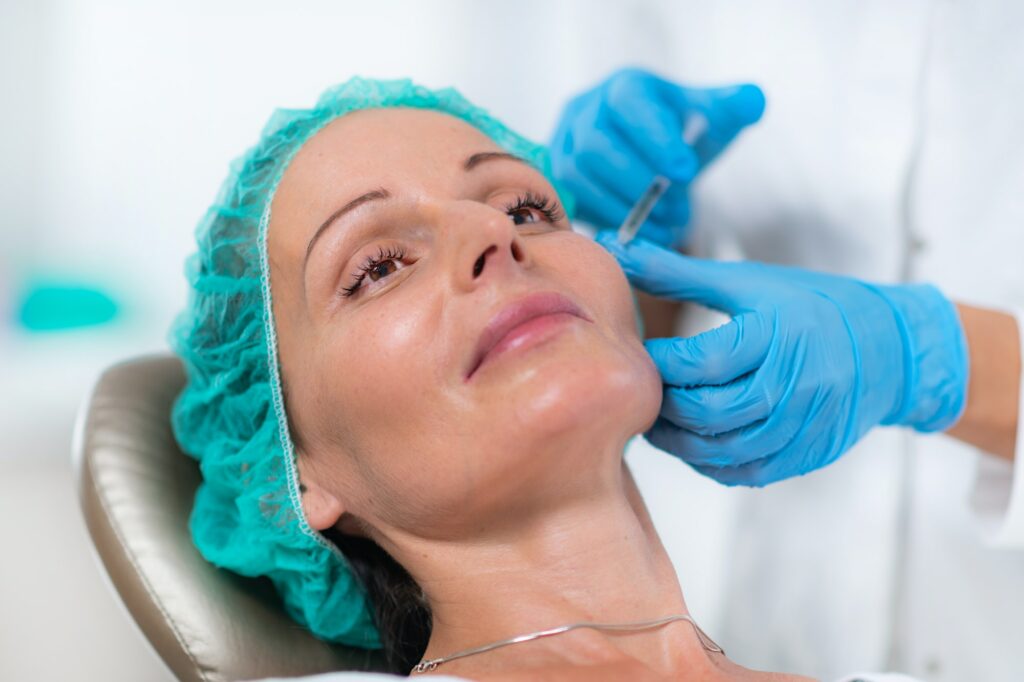
In aesthetic medicine, PRP is widely used to improve skin quality and restore a more youthful appearance. It is often combined with microneedling or fractional treatments to enhance absorption and results. PRP helps address:
- Fine lines and wrinkles
- Acne scars and skin texture irregularities
- Sun damage and pigmentation issues
- Loss of elasticity and firmness
By stimulating collagen and elastin production, PRP gradually improves skin tone and texture, resulting in a natural rejuvenation effect without artificial fillers or surgery.
Treatment Experience and Patient Comfort
PRP therapy at Winter Park Regenerative Medicine is designed to be comfortable, efficient, and minimally disruptive to daily life. Most sessions are completed within 45–60 minutes. Patients typically describe the sensation as mild pressure or temporary discomfort during injection. Following treatment, most individuals can resume normal activities shortly, although strenuous exercise may be temporarily limited depending on the treated area.
Healing Timeline and Expected Outcomes
Because PRP works through biological regeneration, results develop gradually over time.
Early Phase (0–7 Days)
Mild inflammation and tissue activation occur as the healing process begins.
Intermediate Phase (2–6 Weeks)
Pain reduction and improved mobility often begin to appear.
Regenerative Phase (6–12 Weeks)
Tissue repair becomes more noticeable, with improved function and structural healing.
Long-Term Phase (3+ Months)
Continued collagen remodeling and tissue strengthening enhance long-term results.
Multiple sessions may be recommended depending on the severity of the condition.
Safety Profile and Clinical Reliability of PRP
PRP is considered one of the safest regenerative treatments available due to its autologous nature. Since it is derived from the patient’s own blood, the likelihood of allergic reaction or rejection is extremely low. When performed in a controlled clinical environment by trained professionals, PRP demonstrates a strong safety record across orthopedic, sports medicine, and aesthetic applications.
Why Patients Choose Winter Park Regenerative Medicine
Winter Park Regenerative Medicine is committed to delivering advanced regenerative solutions tailored to each patient’s condition and recovery goals. Key advantages include:
- Personalized regenerative treatment planning
- Evidence-informed clinical protocols
- Focus on natural, non-surgical healing methods
- Integration of modern regenerative technologies
- Patient-centered care designed for long-term outcomes
The clinic’s philosophy prioritizes restoring function and improving quality of life through biological healing rather than temporary symptom control.
Final Thoughts: The Future of Healing with PRP Therapy
Platelet-rich plasma therapy represents a shift toward biologically driven medicine, where the body’s own repair mechanisms are harnessed for recovery and restoration. Its applications in pain management, sports injury recovery, hair restoration, and skin rejuvenation make it one of the most versatile treatments in modern regenerative healthcare. At Winter Park Regenerative Medicine, PRP therapy is delivered with clinical precision and a focus on long-term healing outcomes. For patients seeking a safe, natural, and effective alternative to surgery or prolonged medication use, PRP offers a promising pathway toward restored health and function.