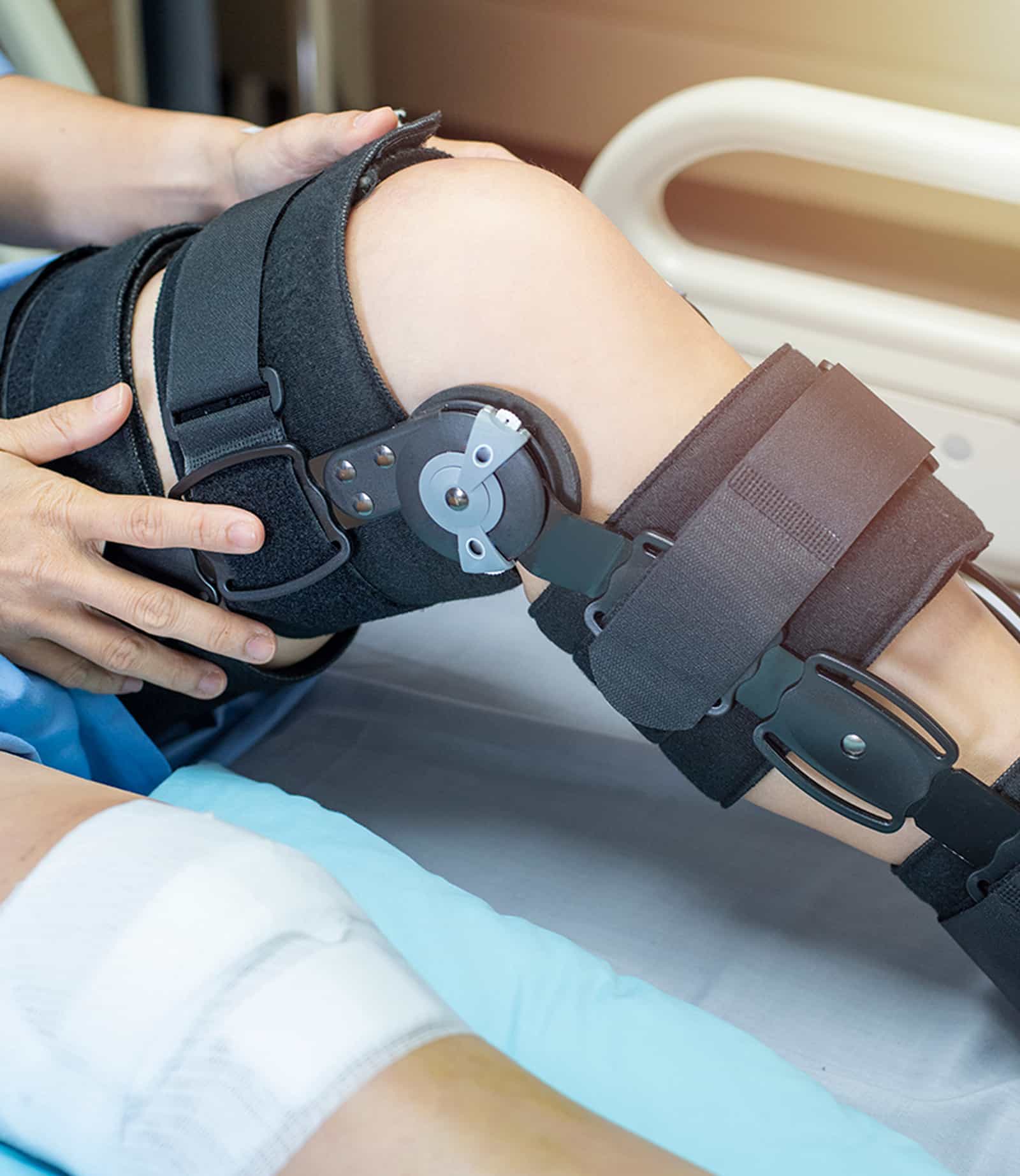
PRP Therapy for Joint Pain Winter Park
PRP Therapy for Joint Pain in Winter Park
Persistent joint pain can affect every aspect of your life. Simple activities such as walking, climbing stairs, exercising, gardening, or even getting out of bed may become increasingly difficult when your joints are inflamed, damaged, or deteriorating. For many individuals, traditional treatments such as pain medications and steroid injections only provide temporary relief while the underlying condition continues to progress.
Schedule a Free Consultation
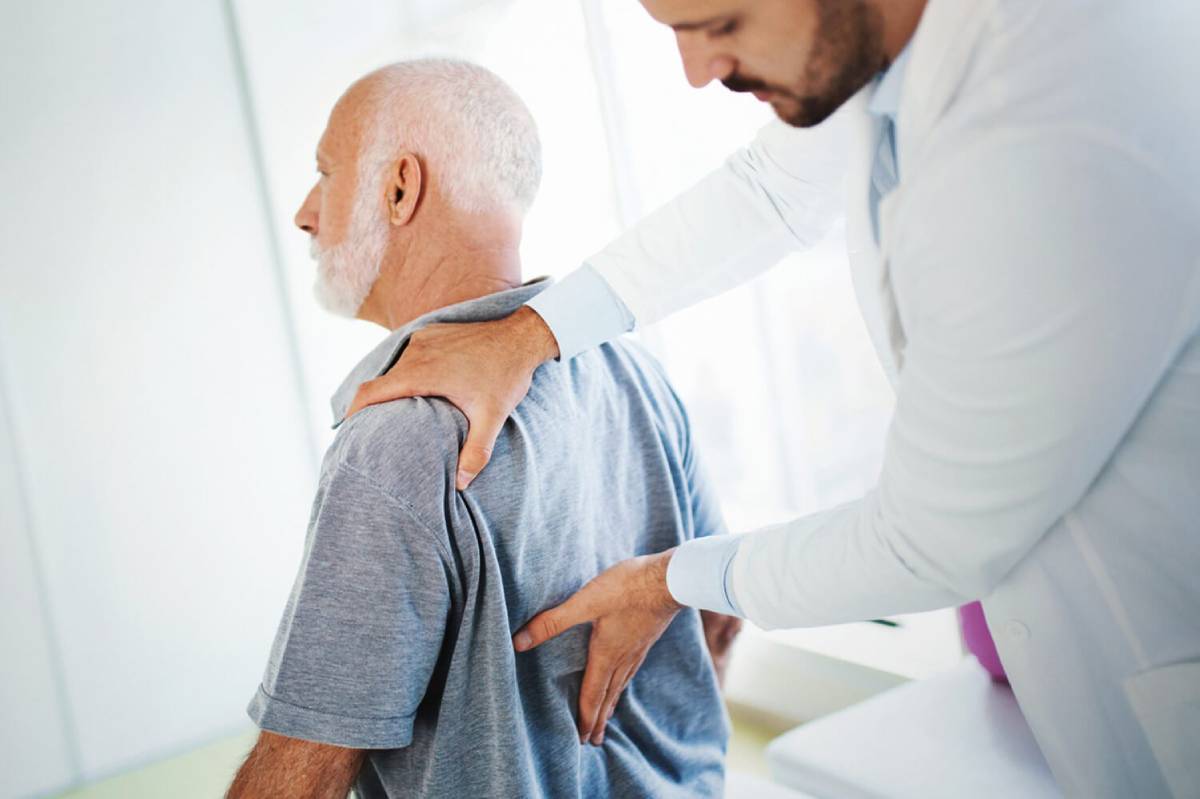
PRP Therapy is a leading regenerative treatment that helps relieve joint pain by supporting the body’s natural healing process without surgery. It offers a modern solution for improving mobility and long-term joint health. At Winter Park Regenerative Medicine, we provide advanced PRP treatments tailored to target the root cause of pain, helping patients restore function, movement, and overall quality of life.
Whether your pain stems from arthritis, sports injuries, overuse, or age-related degeneration, PRP therapy may offer a powerful solution that helps your body heal from within.
The Science Behind Platelet-Rich Plasma Therapy
PRP Therapy is a regenerative medical procedure that utilizes concentrated healing components from your own blood to stimulate tissue repair and recovery.
Blood contains red and white cells, plasma, and platelets. Beyond clotting, platelets are rich in growth factors that help repair damaged tissues. Using centrifugation, these platelets are concentrated into Platelet-Rich Plasma (PRP) and injected into the affected area to support healing, reduce inflammation, and promote natural tissue regeneration.
This process enhances the body’s natural repair mechanisms and helps improve joint function over time. It is a minimally invasive approach designed to accelerate recovery without surgery. Unlike medications that merely suppress symptoms, PRP therapy focuses on improving the biological conditions necessary for healing and recovery.
The Science Behind Platelet-Rich Plasma Therapy
PRP Therapy is a regenerative medical procedure that utilizes concentrated healing components from your own blood to stimulate tissue repair and recovery.
Blood contains red and white cells, plasma, and platelets. Beyond clotting, platelets are rich in growth factors that help repair damaged tissues. Using centrifugation, these platelets are concentrated into Platelet-Rich Plasma (PRP) and injected into the affected area to support healing, reduce inflammation, and promote natural tissue regeneration.
This process enhances the body’s natural repair mechanisms and helps improve joint function over time. It is a minimally invasive approach designed to accelerate recovery without surgery. Unlike medications that merely suppress symptoms, PRP therapy focuses on improving the biological conditions necessary for healing and recovery.
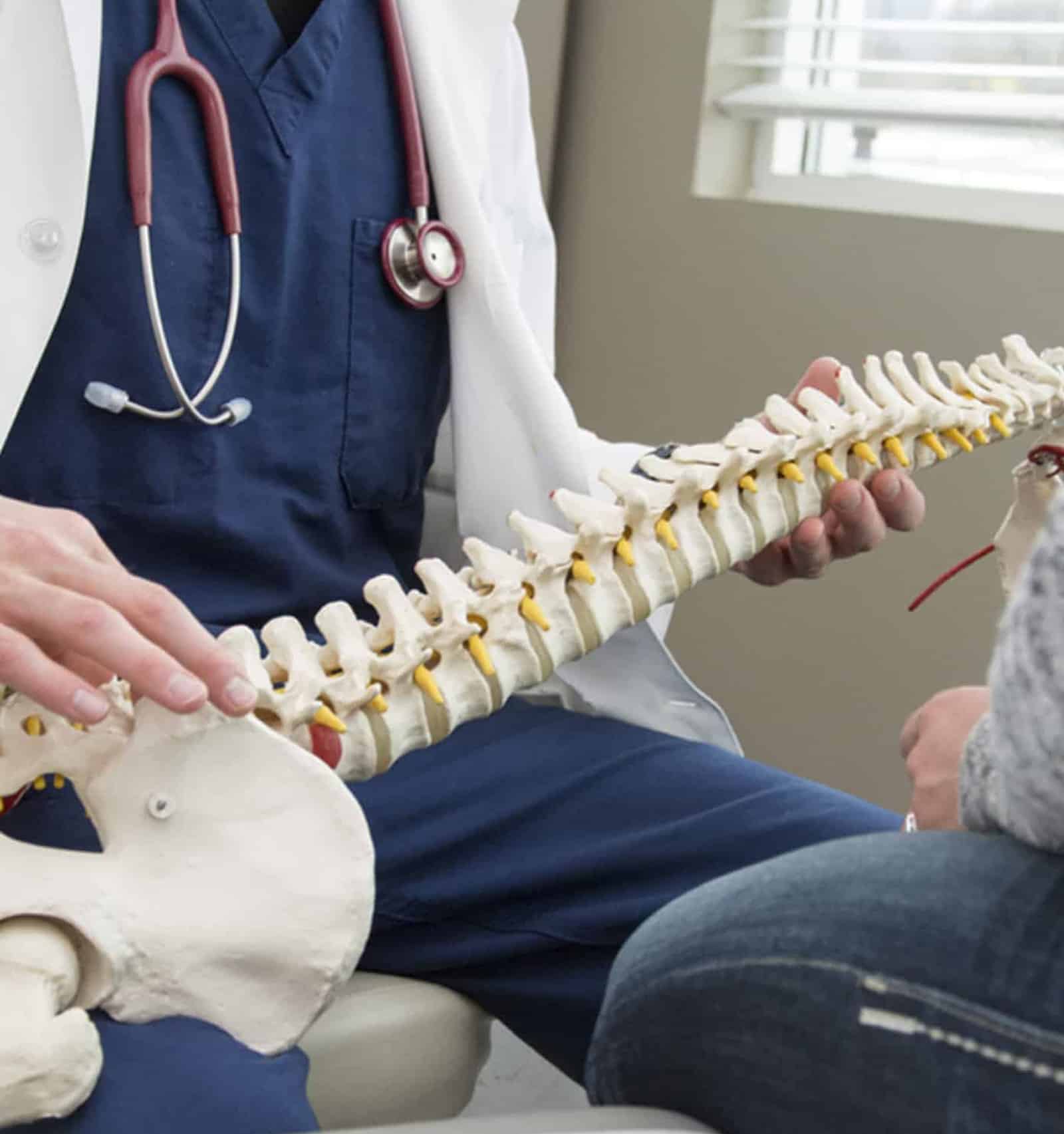
Why Joint Pain Develops Over Time
Joint pain rarely appears overnight. In many cases, discomfort develops gradually due to years of wear and tear, repetitive stress, inflammation, or unresolved injuries. Several factors contribute to joint deterioration, including:
- Aging and natural cartilage breakdown
- Sports-related injuries
- Occupational stress and repetitive motions
- Excess body weight
- Chronic inflammation
- Ligament instability
- Tendon degeneration
- Previous fractures or trauma
As the protective structures within a joint become damaged, inflammation often increases and movement becomes more restricted. This cycle can eventually lead to chronic pain, stiffness, weakness, and reduced mobility.
PRP therapy seeks to interrupt this cycle by supporting the body's natural regenerative response.
Common Joint Conditions That May Benefit from PRP Therapy
One of the greatest advantages of PRP therapy is its versatility. The treatment can be used across a wide range of musculoskeletal conditions affecting various joints throughout the body.
1: Degenerative Knee Conditions
The knee experiences significant stress throughout daily life. Walking, running, jumping, and climbing stairs place constant pressure on the joint. PRP therapy may benefit individuals experiencing:
- Knee osteoarthritis
- Meniscus injuries
- Chronic knee inflammation
- Cartilage deterioration
- Patellar tendon disorders
- Ligament strain
Many patients report improved mobility and reduced discomfort following treatment, allowing them to return to activities they once avoided.
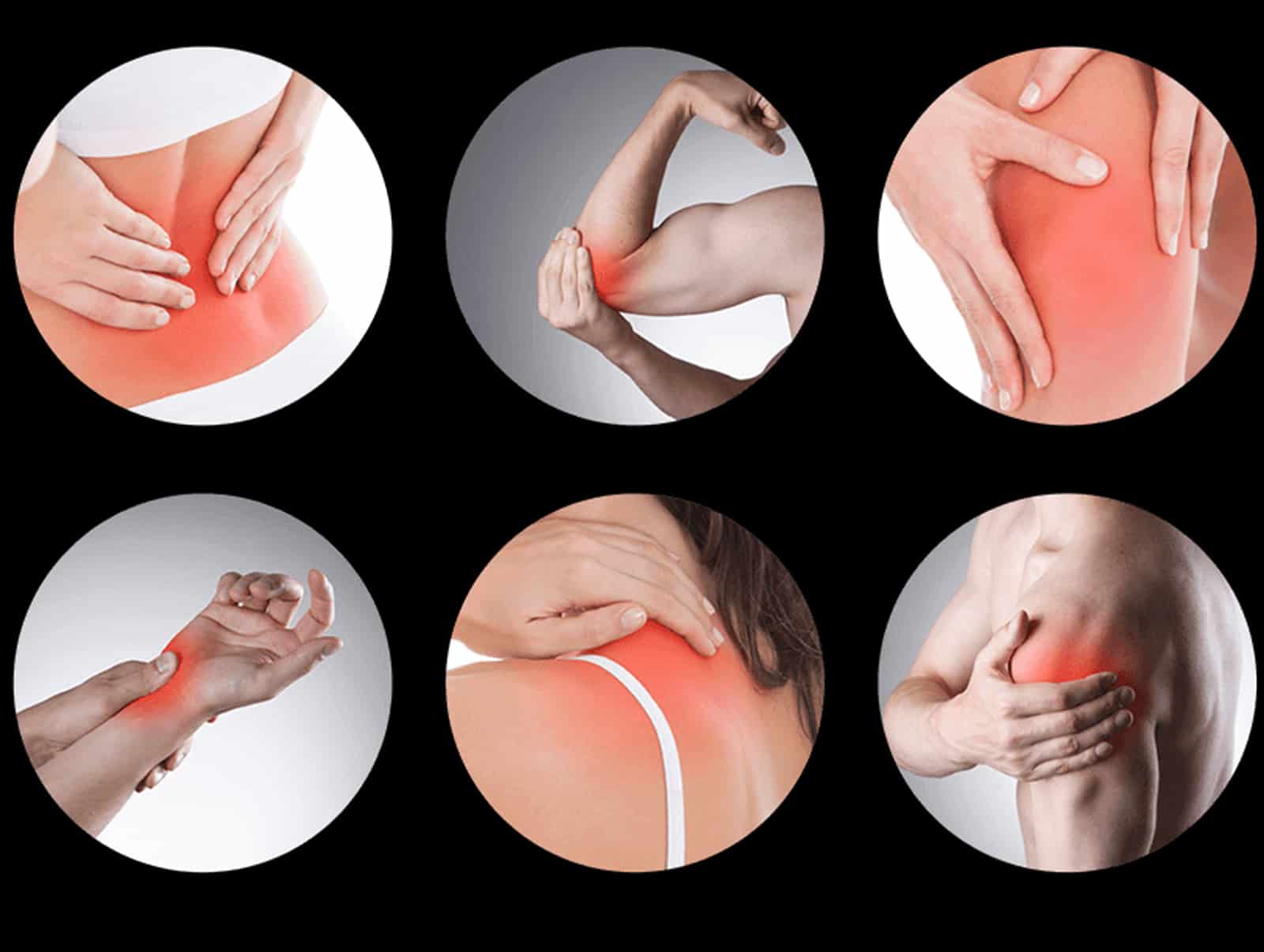

Shoulder Injuries and Chronic Instability
The shoulder is one of the most mobile joints in the body, making it vulnerable to injury. PRP may be recommended for:
- Rotator cuff injuries
- Shoulder arthritis
- Tendinitis
- Labral injuries
- Shoulder impingement
- Chronic instability
Because shoulder tissues often receive limited blood supply, regenerative treatments may help support a more favorable healing environment.
Hip Pain and Reduced Mobility
Hip pain can dramatically affect a person's independence and quality of life.
PRP therapy may assist patients suffering from:
- Hip osteoarthritis
- Tendon injuries
- Bursitis
- Labral damage
- Chronic hip inflammation
The goal is to reduce discomfort while improving flexibility, strength, and overall movement.
Shoulder Injuries and Chronic Instability
The shoulder is one of the most mobile joints in the body, making it vulnerable to injury. PRP may be recommended for:
- Rotator cuff injuries
- Shoulder arthritis
- Tendinitis
- Labral injuries
- Shoulder impingement
- Chronic instability
Because shoulder tissues often receive limited blood supply, regenerative treatments may help support a more favorable healing environment.
Hip Pain and Reduced Mobility
Hip pain can dramatically affect a person's independence and quality of life.
PRP therapy may assist patients suffering from:
- Hip osteoarthritis
- Tendon injuries
- Bursitis
- Labral damage
- Chronic hip inflammation
The goal is to reduce discomfort while improving flexibility, strength, and overall movement.
Elbow, Wrist, and Hand Disorders
Repetitive activities often place significant strain on smaller joints and connective tissues. Conditions frequently treated include:
- Tennis elbow
- Golfer's elbow
- Tendon injuries
- Arthritis-related pain
- Repetitive strain injuries
- Joint inflammation
Foot and Ankle Pain
The feet and ankles absorb tremendous impact every day.
PRP therapy may be considered for:
- Achilles tendon injuries
- Plantar fasciitis
- Ankle instability
- Ligament injuries
- Chronic tendon disorders
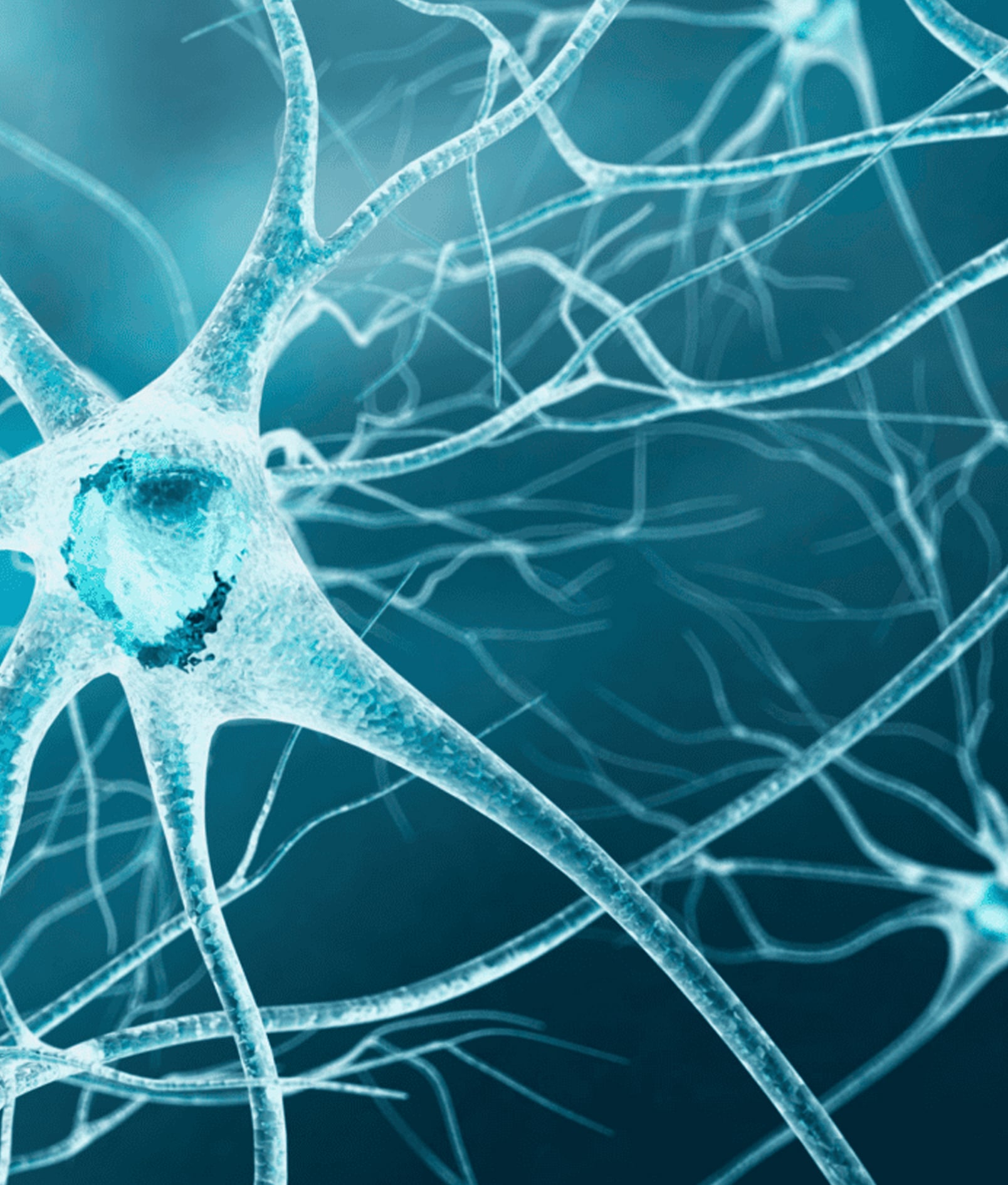
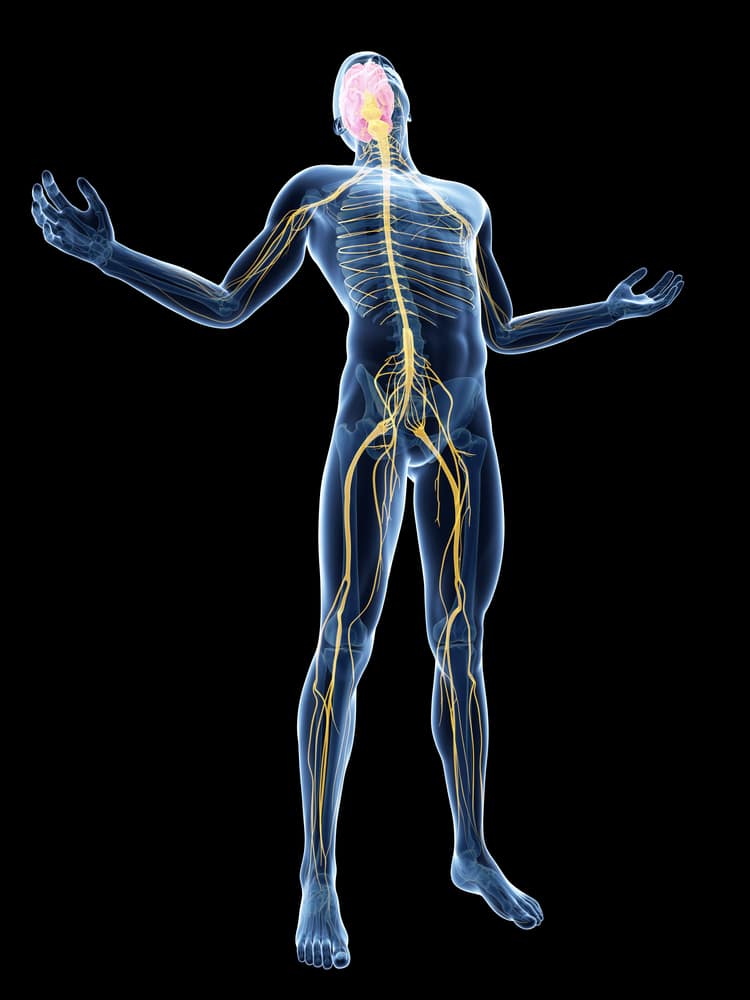
How PRP Supports the Body's Natural Healing Process
What makes PRP unique is its ability to work with the body's existing biological mechanisms.
After injection, concentrated platelets release growth factors that may help stimulate several regenerative responses, including:
1: Enhanced Tissue Repair
Growth factors help recruit healing cells to injured areas, supporting tissue recovery and regeneration.
2: Reduced Inflammatory Activity
Chronic inflammation is often a major contributor to joint pain. PRP may help regulate inflammatory processes that contribute to ongoing discomfort.
3: Improved Collagen Production
Collagen is essential for healthy tendons, ligaments, cartilage, and connective tissues. PRP may help encourage collagen synthesis, strengthening damaged structures.
4: Increased Blood Supply
Improved circulation can deliver oxygen and nutrients to tissues that require healing support.
5: Long-Term Functional Improvement
By addressing tissue health rather than simply suppressing symptoms, PRP may contribute to sustained improvements in mobility and joint performance.
How PRP Supports the Body's Natural Healing Process
What makes PRP unique is its ability to work with the body's existing biological mechanisms.
After injection, concentrated platelets release growth factors that may help stimulate several regenerative responses, including:
1: Enhanced Tissue Repair
Growth factors help recruit healing cells to injured areas, supporting tissue recovery and regeneration.
2: Reduced Inflammatory Activity
Chronic inflammation is often a major contributor to joint pain. PRP may help regulate inflammatory processes that contribute to ongoing discomfort.
3: Improved Collagen Production
Collagen is essential for healthy tendons, ligaments, cartilage, and connective tissues. PRP may help encourage collagen synthesis, strengthening damaged structures.
4: Increased Blood Supply
Improved circulation can deliver oxygen and nutrients to tissues that require healing support.
5: Long-Term Functional Improvement
By addressing tissue health rather than simply suppressing symptoms, PRP may contribute to sustained improvements in mobility and joint performance.
The Advantages of Choosing PRP Over Conventional Treatments
Patients increasingly seek PRP therapy because it offers benefits that traditional treatment methods often cannot provide. It uses the body’s own healing components, reducing the risk of adverse reactions or complications. This makes it a safer, more natural alternative for long-term pain management. Additionally, PRP therapy targets the underlying cause of pain rather than just masking symptoms, supporting lasting recovery and improved joint function.
- Uses Your Body's Own Healing Resources: Since PRP is derived from your own blood, the treatment is highly biocompatible and carries minimal risk of allergic reaction.
- Minimally Invasive Procedure: No surgical incisions, hospital stays, or lengthy recovery periods are required.
- Supports Healing Instead of Masking Pain: Rather than simply covering up symptoms, PRP focuses on improving tissue health and promoting recovery.
- Potential to Delay More Aggressive Interventions: Many patients pursue PRP therapy before considering invasive procedures such as joint replacement surgery.
- Fast Return to Daily Activities: Most individuals can resume normal activities shortly after treatment with minimal interruption to their routine.
What Your PRP Treatment Experience Looks Like
At Winter Park Regenerative Medicine, patient care begins with a thorough evaluation to determine the underlying causes of your symptoms.
Comprehensive Medical Assessment
We review your health history, symptoms, imaging studies, lifestyle factors, and treatment goals to create a customized care plan.

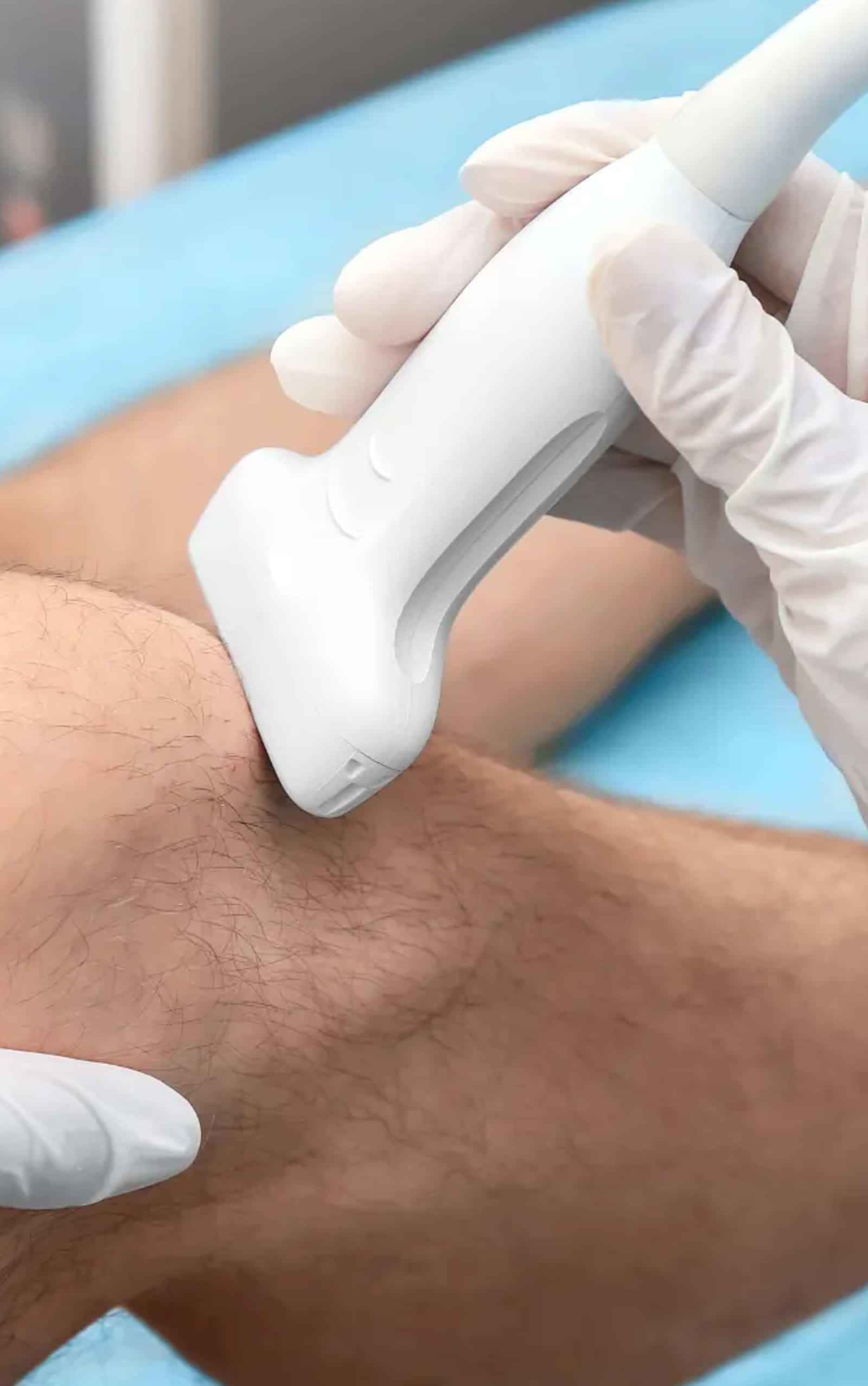
Blood Collection and Processing
A small blood sample is collected and processed using specialized equipment designed to isolate concentrated platelets.
Targeted PRP Injection
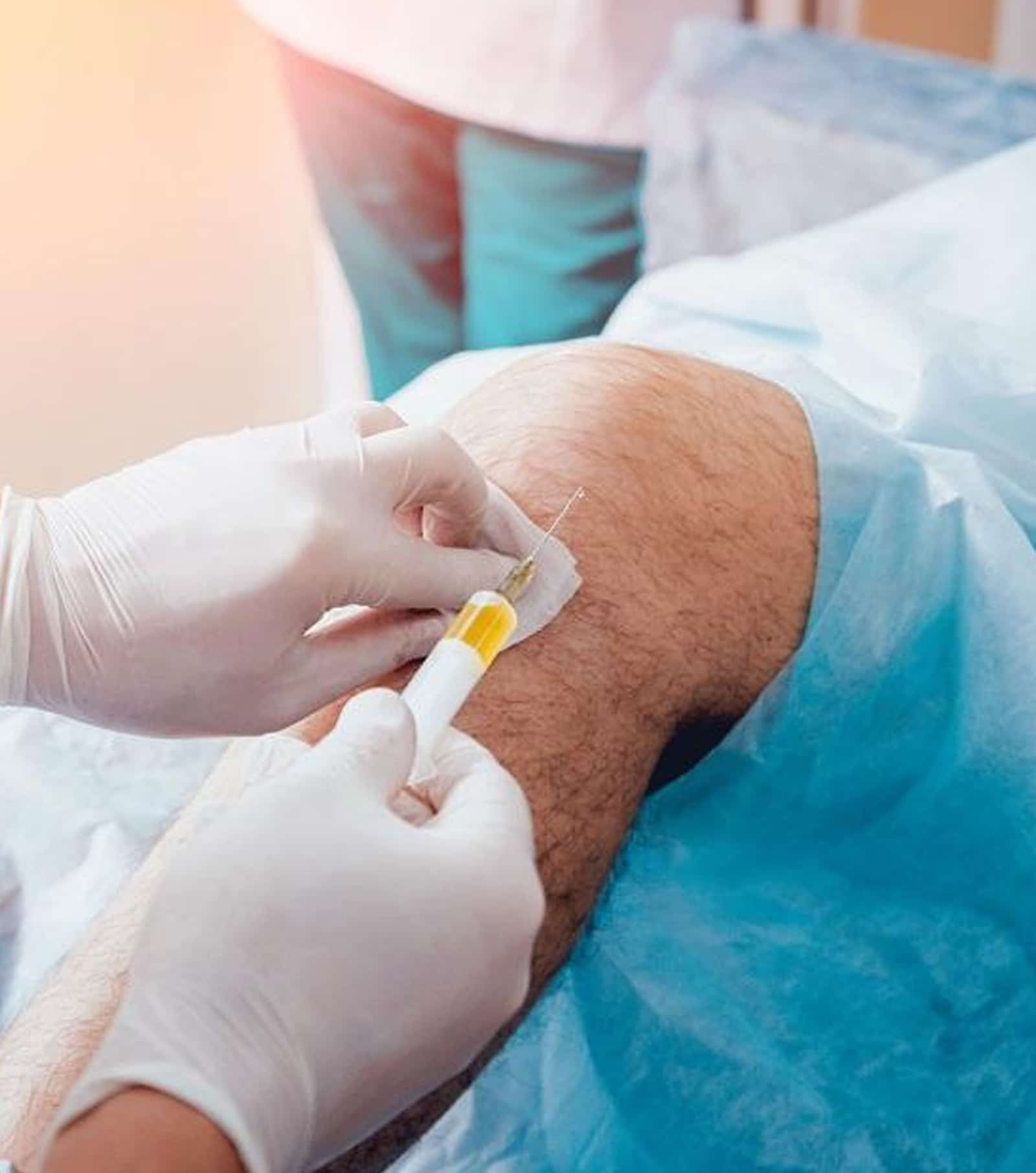
The prepared PRP solution is carefully administered into the affected area using precise techniques to maximize treatment effectiveness.
Recovery and Ongoing Monitoring
Most patients return home immediately after treatment. Over the following weeks and months, the body's regenerative response continues to develop as healing progresses.
Who Is an Ideal Candidate for PRP Therapy?
PRP therapy may be an excellent option for individuals who:
- Experience chronic joint pain
- Have mild to moderate arthritis
- Suffer from sports-related injuries
- Have tendon or ligament damage
- Wish to avoid surgery
- Prefer natural treatment alternatives
- Want to improve mobility and performance
A personalized consultation can determine whether PRP therapy aligns with your specific condition and goals.
Blood Collection and Processing
A small blood sample is collected and processed using specialized equipment designed to isolate concentrated platelets.
Targeted PRP Injection
The prepared PRP solution is carefully administered into the affected area using precise techniques to maximize treatment effectiveness.
Recovery and Ongoing Monitoring
Most patients return home immediately after treatment. Over the following weeks and months, the body's regenerative response continues to develop as healing progresses.
Who Is an Ideal Candidate for PRP Therapy?
PRP therapy may be an excellent option for individuals who:
- Experience chronic joint pain
- Have mild to moderate arthritis
- Suffer from sports-related injuries
- Have tendon or ligament damage
- Wish to avoid surgery
- Prefer natural treatment alternatives
- Want to improve mobility and performance
A personalized consultation can determine whether PRP therapy aligns with your specific condition and goals.
Why Winter Park Residents Trust Our Regenerative Medicine Team
Choosing a provider experienced in regenerative medicine is an important part of achieving optimal outcomes.
At Winter Park Regenerative Medicine, our approach centers on personalized care, advanced treatment protocols, and evidence-based regenerative solutions. Patients choose our clinic because we provide:
- Individualized treatment strategies
- Advanced regenerative medicine expertise
- Comprehensive patient evaluations
- Modern treatment technologies
- Compassionate patient-centered care
- Long-term wellness-focused solutions
Our mission is to help patients regain freedom of movement and enjoy a more active, fulfilling lifestyle.
Why Winter Park Residents Trust Our Regenerative Medicine Team
Choosing a provider experienced in regenerative medicine is an important part of achieving optimal outcomes.
At Winter Park Regenerative Medicine, our approach centers on personalized care, advanced treatment protocols, and evidence-based regenerative solutions.
Patients choose our clinic because we provide:
- Individualized treatment strategies
- Advanced regenerative medicine expertise
- Comprehensive patient evaluations
- Modern treatment technologies
- Compassionate patient-centered care
- Long-term wellness-focused solutions
Our mission is to help patients regain freedom of movement and enjoy a more active, fulfilling lifestyle.
Why Winter Park Residents Trust Our Regenerative Medicine Team
Choosing a provider experienced in regenerative medicine is an important part of achieving optimal outcomes.
At Winter Park Regenerative Medicine, our approach centers on personalized care, advanced treatment protocols, and evidence-based regenerative solutions.
Patients choose our clinic because we provide:
- Individualized treatment strategies
- Advanced regenerative medicine expertise
- Comprehensive patient evaluations
- Modern treatment technologies
- Compassionate patient-centered care
- Long-term wellness-focused solutions
Our mission is to help patients regain freedom of movement and enjoy a more active, fulfilling lifestyle.
Invest in Your Joint Health and Future Mobility
Joint pain does not have to define your future. Whether you are struggling with arthritis, chronic inflammation, sports injuries, or age-related degeneration, regenerative medicine offers a promising pathway toward improved comfort and function.
PRP Therapy provides a natural, minimally invasive solution designed to support healing at the source of your pain. By harnessing the power of your body's own growth factors, this innovative treatment may help reduce discomfort, improve mobility, and enhance your overall quality of life.
At Winter Park Regenerative Medicine, we are proud to help patients throughout Winter Park discover modern regenerative solutions that prioritize healing, wellness, and long-term results.
Schedule your consultation today and take the first step toward restoring healthier joints and a more active life.