

Ligament injuries can quietly disrupt your daily life causing pain, instability, and limited movement that worsens over time. In an active community like Winter Park, where residents enjoy sports, fitness, and outdoor activities year-round, ligament damage is a frequent yet often misunderstood condition.
At Winter Park Regenerative Medicine, we specialize in advanced, non-surgical regenerative treatments designed to repair ligament injuries at their source. Rather than masking symptoms, our approach focuses on restoring joint integrity, improving mobility, and helping patients return to an active, pain-free lifestyle. This in-depth guide explores how ligament injuries develop, why they linger, and how regenerative medicine is transforming ligament care in Winter Park.
The Critical Role Ligaments Play in Healthy Joint Function
Ligaments are tough, elastic bands of connective tissue that stabilize joints by connecting bones together. They guide proper movement, absorb stress, and prevent joints from moving in harmful directions.
When ligaments are healthy, joints function smoothly and efficiently. However, once damaged, ligaments lose their ability to stabilize the joint properly. This instability often leads to abnormal movement patterns, accelerated joint wear, and chronic pain if not treated effectively. Because ligaments have a limited blood supply, they do not heal easily on their own making specialized treatment essential for full recovery.
Different Forms of Ligament Damage and How They Progress
Ligament injuries exist on a spectrum, ranging from minor overstretching to complete rupture. Understanding the type of injury helps determine the most effective treatment strategy.
Mild Ligament Strain
This involves microscopic tearing and stretching of ligament fibers. Although pain may be minimal at first, continued activity can worsen the injury if left untreated.
Partial Ligament Tear
A partial tear causes noticeable pain, swelling, and joint weakness. Over time, repeated stress can lead to chronic instability and degeneration.
Complete Ligament Rupture
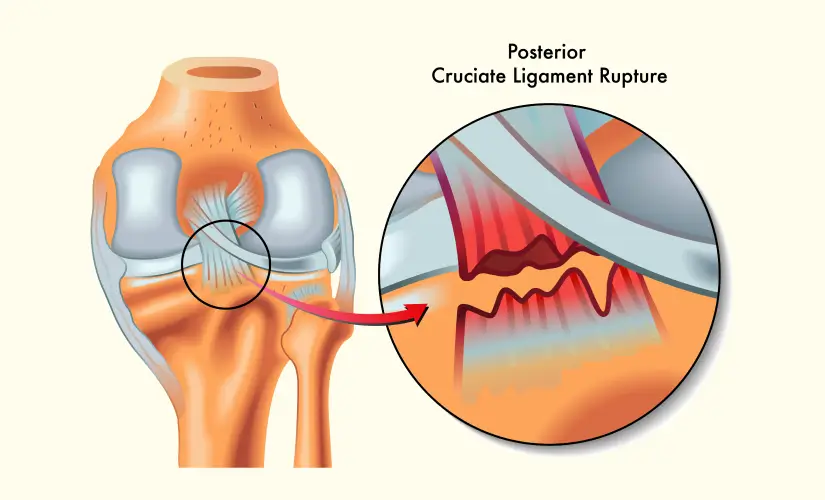
A full tear results in significant instability, loss of joint control, and impaired movement. Without proper intervention, this can permanently alter joint mechanics.
Long-Term Ligament Degeneration
Chronic injuries occur when ligaments fail to heal properly, leading to persistent pain, stiffness, and repeated flare-ups—especially during physical activity.
Why Ligament Injuries Are So Common in Winter Park
Ligament injuries often occur suddenly, but many develop gradually due to repeated stress. Common contributing factors include:
- High-Impact and Recreational Sports: Activities such as soccer, basketball, pickleball, running, and weight training place repetitive stress on the knees, ankles, shoulders, and elbows.
- Unexpected Falls and Trauma: Slip-and-fall accidents, sudden twists, or vehicle collisions can overstretch ligaments beyond their capacity.
- Muscle Weakness and Poor Conditioning: When surrounding muscles fail to provide adequate support, ligaments are forced to absorb excessive force.
- Age-Related Tissue Changes: As we age, ligaments lose elasticity and strength, making them more vulnerable to injury even during routine movements.
Warning Signs That Indicate Ligament Damage
Ligament injuries do not always cause immediate severe pain. In many cases, symptoms develop gradually and worsen over time. Common warning signs include:
- Persistent or worsening joint pain
- Swelling, redness, or warmth around the joint
- Difficulty moving or bearing weight
- A feeling of looseness or instability
- Pain following an injury or sudden movement
- Discomfort accompanied by stiffness or weakness
When left untreated, these symptoms may progress into chronic joint dysfunction.
Advanced Diagnostic Evaluation for Ligament Injuries
At Winter Park Regenerative Medicine, accurate diagnosis is the foundation of effective treatment. We go beyond surface-level assessments to identify the true cause of your pain.
In-Depth Patient Consultation
We evaluate your medical history, activity level, prior injuries, and lifestyle demands.
Comprehensive Physical Examination
Our specialists assess joint alignment, ligament stability, muscle strength, and movement patterns.
Precision Imaging When Necessary
To confirm the extent of damage, we may use:
- MRI imaging to visualize soft tissue injuries
- Ultrasound diagnostics for real-time ligament assessment
- X-rays to rule out fractures or joint abnormalities
This detailed approach allows us to develop a targeted and effective treatment plan.
Why Traditional Treatments Often Fall Short
Conventional ligament injury care typically includes rest, ice, bracing, physical therapy, and anti-inflammatory medications. While these methods can reduce pain temporarily, they do not repair damaged ligament tissue. In more severe cases, surgery is often recommended. However, surgery may involve:
- Long recovery periods
- Risk of complications
- Scar tissue formation
- Incomplete restoration of joint function
As a result, many patients seek alternatives that promote natural healing without invasive procedures.
How Regenerative Medicine Repairs Ligament Injuries Naturally
Regenerative medicine works by activating the body’s inherent healing mechanisms. Instead of suppressing symptoms, regenerative treatments stimulate tissue repair and regeneration at the cellular level. Key benefits include:
- Accelerated ligament healing
- Reduced inflammation
- Improved joint stability
- Long-lasting pain relief
- Avoidance of surgery
Platelet-Rich Plasma (PRP): Accelerating Ligament Repair
PRP therapy uses concentrated platelets from your own blood to deliver growth factors directly to the injured ligament.
How PRP Supports Healing
Platelets release bioactive proteins that stimulate tissue repair, increase blood flow, and promote collagen production—essential for ligament strength.
Who Benefits from PRP
PRP is ideal for:
- Mild to moderate ligament tears
- Sports-related injuries
- Chronic ligament pain unresponsive to rest
Many patients experience reduced pain and improved function within weeks.
Stem Cell Therapy: Advanced Healing for Severe Ligament Damage
Stem cell therapy is recommended for more complex or long-standing ligament injuries.
Why Stem Cells Are Effective
Stem cells have the unique ability to develop into healthy connective tissue. When injected into damaged ligaments, they help regenerate stronger, healthier tissue.
Conditions Treated
- Severe ligament tears
- Chronic instability
- Degenerative joint conditions
This therapy offers a powerful alternative to surgery for eligible patients.
Prolotherapy: Strengthening Ligaments at the Source
Prolotherapy involves injecting a natural solution into weakened ligaments to stimulate the body’s repair response. Over time, this treatment:
- Strengthens ligament fibers
- Improves joint stability
- Reduces chronic pain
Prolotherapy is often combined with PRP or stem cell therapy for enhanced outcomes.
Rehabilitation Programs That Maximize Healing Results
Regenerative treatments are most effective when combined with structured rehabilitation. Our customized programs focus on:
- Strengthening surrounding muscles
- Restoring joint mobility
- Correcting movement patterns
- Preventing future injuries
This comprehensive approach ensures long-term success and functional recovery.
Why Patients Trust Winter Park Regenerative Medicine
Patients throughout Central Florida choose us because we offer:
- Specialized expertise in regenerative care
- Personalized, non-surgical treatment plans
- Advanced diagnostic and treatment technology
- Patient-centered, results-driven care
- Our mission is to help you heal fully not just temporarily.
Who Is an Ideal Candidate for Regenerative Ligament Treatment?
- Initial Assessment: Thorough evaluation and diagnosis
- Treatment Phase: In-office regenerative procedures with minimal downtime
- Healing & Rehab: Gradual return to activity with guided support
- Follow-Up Care: Progress monitoring and treatment adjustments
Reclaim Pain-Free Movement in Winter Park
In conclusion, ligament injuries do not have to limit your mobility or lifestyle. With modern regenerative medicine, true healing is possible without surgery. At Winter Park Regenerative Medicine, we are dedicated to restoring joint stability, reducing pain, and helping you move with confidence again.