
PRP Therapy For Migraines
Schedule a Free Consultation
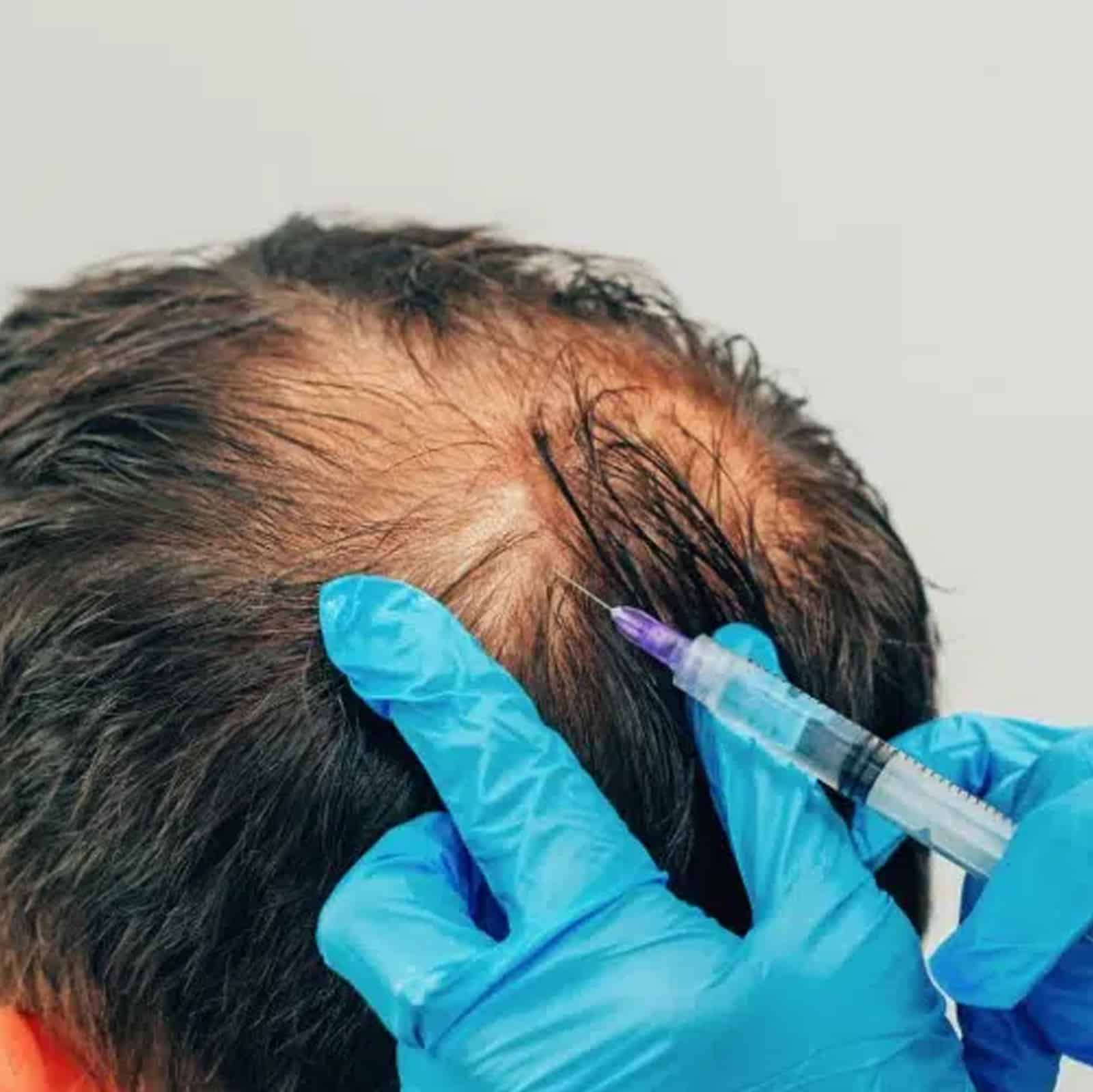
This growing demand for advanced solutions has led to increased interest in regenerative medicine, particularly Platelet-Rich Plasma (PRP) therapy
At Winter Park Regenerative Medicine, innovative regenerative treatments are designed to support the body’s natural healing process while addressing the underlying factors that may contribute to chronic pain conditions, including migraines.
PRP therapy is rapidly gaining recognition for its potential role in reducing inflammation, improving tissue health, and supporting recovery in patients suffering from chronic headache disorders.
Understanding Migraines Beyond the Symptoms
Migraines are neurological episodes that often involve far more than head pain alone. Many individuals experience a wide range of symptoms before, during, and after a migraine attack, including:
- Pulsating or throbbing headaches
- Sensitivity to light and sound
- Neck stiffness and muscular tension
- Blurred vision or aura
- Nausea and vomiting
- Fatigue and dizziness
- Difficulty concentrating
For some people, migraines occur occasionally. For others, they become chronic and interfere with work, relationships, sleep quality, and daily functioning.
One of the biggest challenges in migraine treatment is identifying the root cause. Migraines may be associated with several contributing factors, such as:

Understanding Migraines Beyond the Symptoms
Migraines are neurological episodes that often involve far more than head pain alone. Many individuals experience a wide range of symptoms before, during, and after a migraine attack, including:
- Pulsating or throbbing headaches
- Sensitivity to light and sound
- Neck stiffness and muscular tension
- Blurred vision or aura
- Nausea and vomiting
- Fatigue and dizziness
- Difficulty concentrating
For some people, migraines occur occasionally. For others, they become chronic and interfere with work, relationships, sleep quality, and daily functioning.
One of the biggest challenges in migraine treatment is identifying the root cause. Migraines may be associated with several contributing factors, such as:
What Is PRP Therapy?
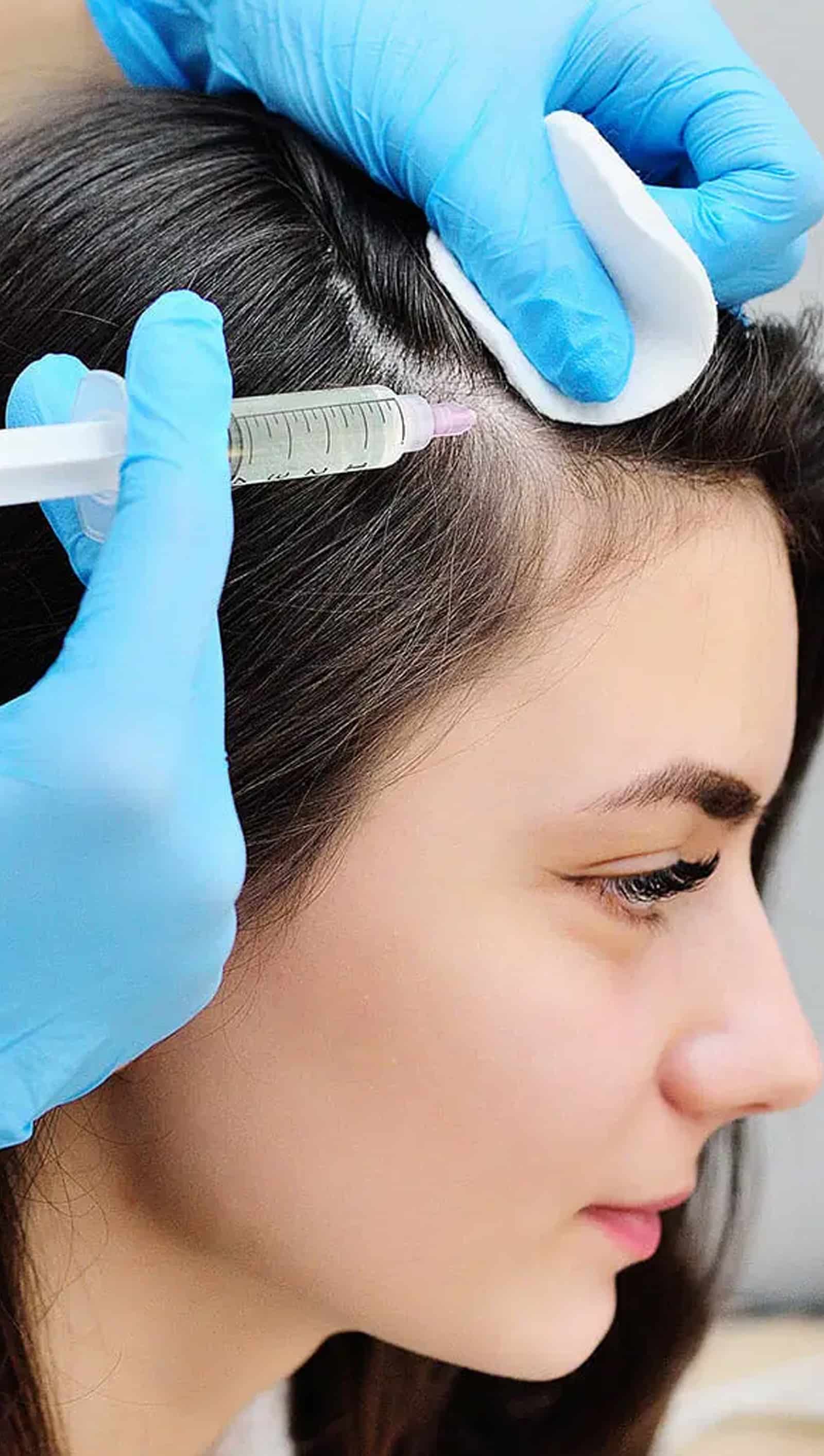
Platelet-Rich Plasma therapy is an advanced regenerative treatment created from a patient’s own blood. A small blood sample is collected and processed in a centrifuge to separate concentrated platelets and growth factors from other blood components.
These platelets contain powerful biological proteins that play a critical role in the body’s natural healing response. PRP is known to support:
- Tissue repair and regeneration
- Reduced inflammation
- Improved circulation
- Cellular recovery
- Collagen production
- Healing stimulation in damaged tissues
Once the PRP is prepared, it is carefully injected into targeted areas associated with pain, inflammation, or tissue dysfunction.
Because PRP uses the patient’s own biological material, the treatment is considered minimally invasive and generally well-tolerated.

What Is PRP Therapy?
Platelet-Rich Plasma therapy is an advanced regenerative treatment created from a patient’s own blood. A small blood sample is collected and processed in a centrifuge to separate concentrated platelets and growth factors from other blood components.
These platelets contain powerful biological proteins that play a critical role in the body’s natural healing response. PRP is known to support:
- Tissue repair and regeneration
- Reduced inflammation
- Improved circulation
- Cellular recovery
- Collagen production
- Healing stimulation in damaged tissues
Once the PRP is prepared, it is carefully injected into targeted areas associated with pain, inflammation, or tissue dysfunction.
Because PRP uses the patient’s own biological material, the treatment is considered minimally invasive and generally well-tolerated.
How PRP Therapy May Help Migraine Sufferers
Although PRP therapy for migraines is still considered an emerging area within regenerative medicine, many healthcare professionals believe it may provide meaningful benefits for certain patients particularly those whose migraines are linked to inflammation, muscle dysfunction, nerve irritation, or cervical instability.
Targeting Chronic Inflammation
Inflammation is believed to play a major role in chronic migraine development. PRP contains concentrated growth factors that may help regulate inflammatory responses and support tissue healing in affected areas.
Supporting Neck and Muscle Function
Tension in the neck, shoulders, and upper back is a common trigger for recurring headaches and migraines. PRP may help improve soft tissue health and reduce chronic muscular irritation contributing to pain patterns.
Assisting Cervical Spine Stability
In some patients, migraines originate from dysfunction within the cervical spine or surrounding connective tissues. PRP may support healing in ligaments and soft tissues responsible for spinal stability.
Improving Nerve Irritation
Compressed or inflamed nerves around the neck, scalp, or jaw may contribute to chronic migraine symptoms. Regenerative therapies like PRP may help calm irritated tissues surrounding these nerves.
Why Regenerative Medicine Is Changing Migraine Treatment
Conventional migraine management often involves:
- Prescription pain medications
- Anti-inflammatory drugs
- Muscle relaxers
- Botox injections
- Nerve blocks
- Preventive migraine medications
While these treatments can help manage symptoms, they may not always address the underlying tissue damage or inflammatory dysfunction causing recurring pain. Regenerative medicine offers a different approach by focusing on restoration and healing rather than temporary symptom suppression.
PRP therapy is becoming increasingly popular because it aims to:
- Stimulate natural healing mechanisms
- Improve tissue quality
- Reduce inflammation naturally
- Minimize dependency on medications
- Support long-term pain management
For patients seeking a more holistic and minimally invasive solution, PRP therapy represents an exciting advancement in migraine care.

Recovery and Healing
Most patients experience minimal downtime and can return to normal activities shortly after treatment. Mild soreness at the injection site is common for a short period. Because PRP works by stimulating the body’s healing response, improvements often develop gradually over several weeks.

Benefits of PRP Therapy for Migraines
Many migraine sufferers are drawn to PRP therapy because it offers a natural and regenerative alternative to long-term medication use. Potential benefits may include:
- Reduced migraine frequency
- Lower headache intensity
- Improved neck mobility
- Better muscle function
- Reduced inflammation
- Enhanced daily comfort
- Improved quality of life
- Drug-free pain management suppor
Results vary from patient to patient, but many individuals report meaningful improvements when PRP is incorporated into a comprehensive treatment plan.
Who May Be a Good Candidate for PRP Therapy?
PRP therapy may be suitable for individuals who:
- Experience chronic migraines
- Suffer from tension-related headaches
- Have migraines linked to neck dysfunction
- Experience TMJ-related facial pain
- Want to avoid invasive procedures
- Seek non-surgical pain management options
- Have not achieved lasting relief with conventional treatments
An individualized assessment is essential to determine whether PRP therapy is appropriate based on the patient’s health history and migraine patterns.
- Improving sleep quality
- Managing stress levels
- Maintaining proper posture
- Staying hydrated
- Addressing nutritional deficiencies
- Reducing inflammatory foods
- Performing stretching and mobility exercises
Combining regenerative medicine with healthy lifestyle habits may enhance overall treatment outcomes and reduce migraine recurrence.
Why Patients Choose Winter Park Regenerative Medicine
At Winter Park Regenerative Medicine, patient care is centered around personalized treatment strategies designed to identify and address the root causes of pain and dysfunction.
The clinic combines advanced regenerative therapies with comprehensive evaluations to help patients pursue long-term healing and improved quality of life. Patients choose the practice for:
- Personalized regenerative treatment plans
- Advanced non-surgical therapies
- Comprehensive patient evaluations
- Modern regenerative medicine techniques
- Compassionate and patient-focused care
- A commitment to long-term wellness

- Improving sleep quality
- Managing stress levels
- Maintaining proper posture
- Staying hydrated
- Addressing nutritional deficiencies
- Reducing inflammatory foods
- Performing stretching and mobility exercises
Combining regenerative medicine with healthy lifestyle habits may enhance overall treatment outcomes and reduce migraine recurrence.
Why Patients Choose Winter Park Regenerative Medicine
At Winter Park Regenerative Medicine, patient care is centered around personalized treatment strategies designed to identify and address the root causes of pain and dysfunction.
The clinic combines advanced regenerative therapies with comprehensive evaluations to help patients pursue long-term healing and improved quality of life. Patients choose the practice for:
- Personalized regenerative treatment plans
- Advanced non-surgical therapies
- Comprehensive patient evaluations
- Modern regenerative medicine techniques
- Compassionate and patient-focused care
- A commitment to long-term wellness
Final Thoughts
Living with chronic migraines can be physically exhausting and emotionally overwhelming. When recurring headaches interfere with daily life, finding an effective long-term solution becomes essential. PRP therapy for migraines represents an innovative regenerative approach designed to support tissue healing, reduce inflammation, and improve overall function. While outcomes vary depending on the individual and the underlying cause of migraines, many patients are exploring PRP therapy as part of a comprehensive wellness strategy. If you are looking for a minimally invasive, personalized approach to migraine management, Winter Park Regenerative Medicine provides advanced regenerative solutions focused on helping patients regain comfort, mobility, and control over their lives.