
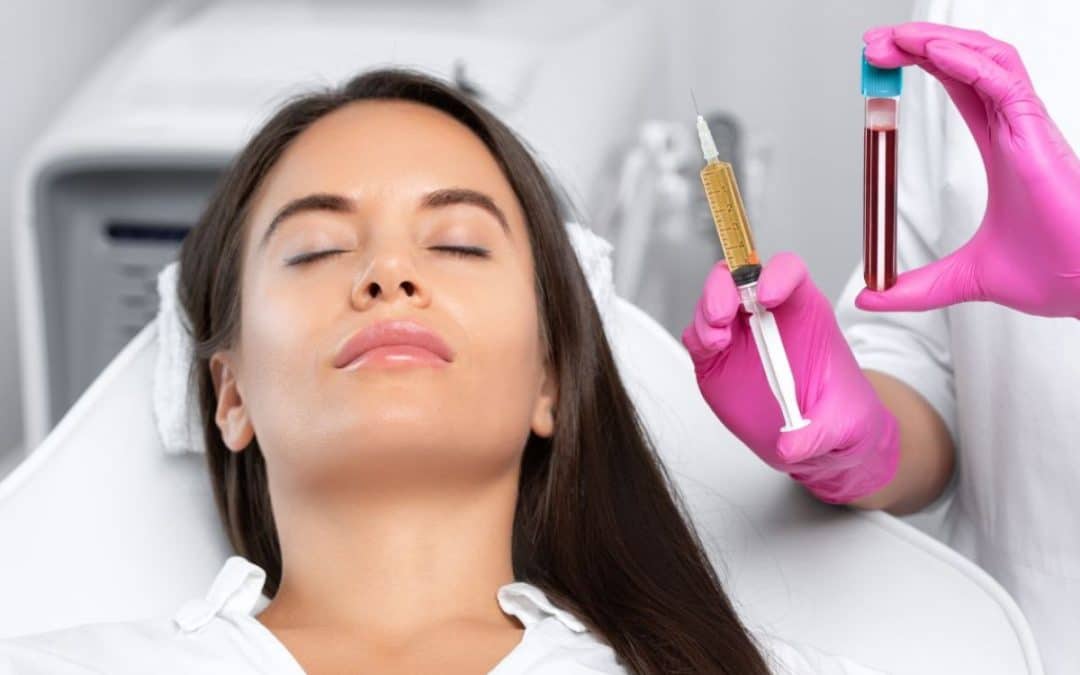
Platelet-Rich Plasma (PRP) therapy has emerged as a cornerstone of modern regenerative medicine. By shifting the medical paradigm away from merely suppressing symptoms and moving it toward actively rebuilding damaged tissue, PRP offers patients a natural, minimally invasive alternative to surgery and long-term pharmaceutical dependence. Whether you are dealing with chronic joint pain, a stubborn sports injury, or frustrating hair loss, PRP utilizes your body’s own cellular mechanisms to heal itself from the inside out. However, because PRP relies entirely on your body’s natural biological systems, visible results do not happen overnight. Unlike synthetic drugs or corticosteroid injections that provide a temporary illusion of healing by masking pain, PRP plays a sophisticated long game. It initiates a complex cascade of cellular repair that takes time to manifest superficially.
At Winter Park Regenerative Medicine, we believe that education is just as critical to your recovery as the treatment itself. Understanding the exact biological timeline of PRP therapy helps you maintain realistic expectations, stay confident during your recovery, and appreciate the remarkable science occurring beneath your skin.
The Science of Regenerative Medicine: How PRP Works
To understand why PRP requires a specific timeline to work, it is essential to look at the underlying cellular biology. The process begins with a simple, standard blood draw from your arm. This blood sample is immediately placed into a specialized, high-speed medical centrifuge. The centrifuge spins the blood at precise speeds to isolate and concentrate the platelets, separating them from red and white blood cells. Platelets are famous for their blood-clotting abilities, but they are also your body’s internal first responders for injury. They contain hundreds of signaling proteins known as growth factors. When these highly concentrated platelets are injected directly into an area of chronic pain, degeneration, or tissue damage, they release an intense burst of these growth factors, which immediately go to work by:
- Stimulating cellular proliferation: Ordering local stem cells and specialized repair cells to replicate.
- Upregulating collagen production: Providing the necessary structural scaffolding for skin, tendons, cartilage, and ligaments.
- Modulating inflammation: Shifting the environment from a chronic, toxic inflammatory state into a healthy, acute healing state.
- Enhancing neovascularization: Triggering the growth of new blood vessels to permanently increase blood flow and nutrient delivery to the damaged zone.
Because PRP is autologous meaning it comes entirely from your own body it boasts an incredibly high profile of biocompatibility. There is virtually zero risk of allergic reaction or foreign-body rejection. You aren’t introducing synthetic chemicals into your system; you are simply taking your body’s natural healing mechanisms, supercharging them, and placing them precisely where they are needed most.
The Three Biological Phases of PRP Repair
Traditional treatments like cortisone injections work almost instantly because they are designed to forcibly shut down your immune system’s inflammatory response. While this provides rapid pain relief, it can actually weaken tissues over time and stall genuine repair. PRP works in the exact opposite manner. It deliberately triggers a localized healing response, which unfolds across three distinct, overlapping biological phases:
Phase 1: The Inflammatory/Activation Phase (Days 1–7)
Immediately upon injection, the platelets adhere to the damaged tissue and rupture, releasing their growth factors. This creates a controlled, intentional inflammatory spike. While “inflammation” is often viewed negatively, it is actually the crucial first step your body uses to clean out damaged cells and signal the immune system to begin reconstruction.
Phase 2: The Proliferation/Regeneration Phase (Weeks 2–8)
Once the initial inflammatory wave clears out the microscopic debris, the proliferative phase begins. Fibroblasts, endothelial cells, and specialized stem cells flood the area. They begin laying down raw collagen, spinning new networks of capillaries, and multiplying to replace dead or degenerated tissue.
Phase 3: The Tissue Remodeling Phase (Months 3–12)
This is the longest and most critical stage of the regenerative journey. The newly formed tissue is initially disorganized and fragile. During the remodeling phase, your body methodically replaces this temporary framework with highly organized, strong, and flexible mature tissue. The collagen fibers align themselves along the lines of physical stress, drastically increasing the tensile strength of your joints, tendons, or skin.
The Master Week-by-Week PRP Results Timeline
While every individual’s cellular health and recovery rate are unique, the vast majority of patients follow a highly predictable healing roadmap after a PRP procedure.
Days 1 to 7: The Subsurface Activation
During the first week, do not expect to feel better. In fact, it is entirely normal to feel a temporary increase in discomfort. Because the injection deliberately triggers an acute inflammatory response to jumpstart healing, the target area may experience:
- Mild to moderate swelling
- Localized warmth and redness
- Stiffness or a deep, dull ache
- Temporary throbbing around the injection site
This discomfort is actually a positive sign that your immune system has accepted the platelet signals and has begun the repair process. Patients are strictly advised to avoid anti-inflammatory medications (like Ibuprofen, Advil, or Aleve) during this time, as shutting down the inflammation will actively cancel out the treatment.
Weeks 2 to 4: Early Cellular Foundations
By the middle of the first month, the initial post-injection soreness will have completely dissipated. The baseline inflammation that originally caused your chronic pain begins to settle down as the new cellular foundation takes root.
- What you will feel: Subtle, encouraging shifts. You may notice that your first few steps out of bed in the morning are less painful, or that you have a slightly smoother range of motion.
- What is happening: The targeted tissue is receiving an unprecedented, sustained supply of oxygen and nutrients thanks to the early stages of new blood vessel growth.
Weeks 4 to 8: Noticeable Functional Improvements
Entering the second month, the structural remodeling is well underway. The raw collagen matrix is beginning to mature, meaning the treated tissue can handle mechanical stress much more efficiently.
- What you will feel: Measurable physical progress. Activities that used to trigger an immediate flare-up such as driving, typing, climbing stairs, or lifting light objects become significantly easier and much less painful.
- What is happening: The newly regenerated cells are organizing themselves into stable structural patterns, gradually restoring the integrity of the damaged area.
Months 3 to 6: The Peak Regenerative Window
For the vast majority of patients, this is where the magic happens. By the third month, the biological remodeling process reaches its peak velocity.
- What you will feel: Profound relief and a dramatic return to form. Many patients report a 70% to 90% reduction in their baseline chronic pain. You will experience vastly improved joint stability, sharper physical confidence, increased muscular power, and a substantial boost in your overall quality of life.
- What is happening: The tissue has successfully undergone true biological reconstruction. The structural deficits that previously caused friction, instability, or hair follicle death have been actively repaired with healthy, living tissue.
Deep Dive: PRP Timelines by Specific Condition
Because different tissues in the human body possess varying levels of natural metabolic activity and blood supply, the exact timeline for PRP results depends heavily on what is being treated.
[PRP Injection]
│
▼
[Days 1-7: Inflammatory Phase]
──► Expected temporary soreness/swelling
│
▼
[Weeks 2-4: Proliferation Phase]
──► Early cellular repairs begin
│
▼
[Weeks 4-8: Functional Gains]
──► Decreased pain, smoother mobility
│
▼
[Months 3-6+: Remodeling Peak]
──► Long-term structural restoration
1. Joint Pain & Osteoarthritis
Osteoarthritis involves the steady, painful degeneration of the slippery articular cartilage that cushions your joints (most notably the knees, hips, shoulders, and ankles). Cartilage has no internal blood supply, making its natural ability to heal incredibly poor. PRP acts as a biological lubricant and cellular wake-up call within the joint space.
- Weeks 2 to 6: The intra-articular environment shifts. The destructive enzymes that break down cartilage are neutralized by the proteins in the PRP, resulting in an initial drop in deep, grinding joint pain.
- Months 1 to 3: Joint fluid mechanics improve. The joint becomes more naturally lubricated, making walking, bending, or lifting notably smoother and less restricted.
- Months 3 to 6: The surrounding joint capsule, micro-cartilage structures, and supporting ligaments achieve peak stabilization. Many patients find they can return to low-impact sports, extended walking, and daily tasks entirely pain-free.
2. Tendon and Ligament Injuries
Tendons (which connect muscle to bone, like the Achilles or rotator cuff) and ligaments (which connect bone to bone) are notorious for healing at a frustratingly slow pace. Because they are comprised of dense, tightly packed collagen fibers with minimal blood flow, a severe tear or chronic tendonitis can linger for years.
- Month 1: PRP forces a heavy influx of blood flow into these dense, white tissues. The sharp, burning pain associated with conditions like tennis elbow or patellar tendonitis begins to transition into a manageable, occasional ache.
- Months 2 to 4: The new collagen fibers align themselves parallel to the tendon’s natural line of pull. Structural strength returns, meaning the tendon can handle resistance, stretching, and athletic load without giving out or flaring up.
- Months 4 to 6: The remodeling phase reaches completion. The tendon or ligament regains its original elasticity and tensile strength, allowing athletes and active individuals to confidently return to full-contact sports or heavy weightlifting.
3. Non-Surgical Hair Restoration
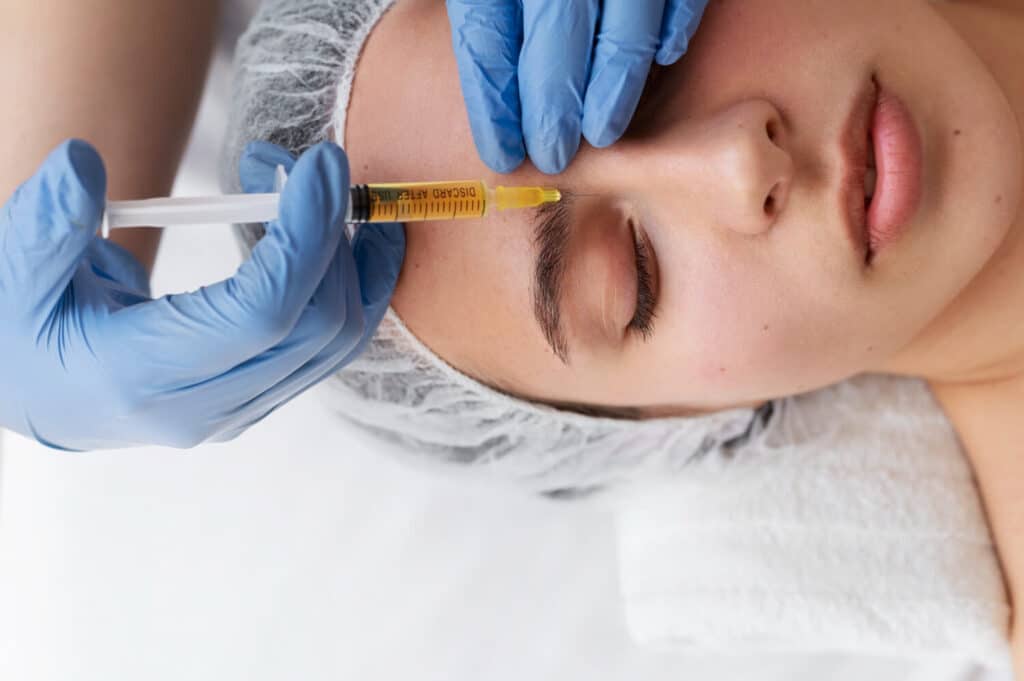
Androgenetic alopecia (male and female pattern baldness) and general hair thinning occur when hair follicles are starved of blood flow, causing them to miniaturize and eventually become dormant. PRP therapy reverses this process by bathing the hair roots in growth factors, expanding the blood vessel network across the scalp, and forcing the follicles back into their active growth (anagen) phase.
- Month 1: The scalp undergoes deep revascularization. While you will not see new hair on your head yet, the internal environment is being meticulously prepared.
- Months 2 to 3: One of the earliest and most exciting signs of success occurs here: a rapid, massive drop in daily hair shedding. You will notice significantly less hair in the shower drain or on your hairbrush. The existing hair shafts also begin to grow thicker and stronger.
- Months 4 to 6: Small, fine baby hairs (vellus hairs) begin transforming into mature, pigmented terminal hairs. Visible improvements in scalp coverage, volume, and hair density become undeniable.
- Months 6 to 12: This is when the definitive cosmetic results are realized. Because hair only grows roughly half an inch per month, it takes a full year for the newly awakened hair to grow to a length that provides dramatic, dense visual coverage.
Key Variables That Dictate Your Healing Velocity
It is vital to remember that bio-cellular medicine is not a factory assembly line. Because the active ingredient in the treatment is you, several personal variables will influence just how rapidly and robustly your body responds to PRP therapy:
-
Severity and Chronicity of the Condition: A mild, acute partial tendon tear will naturally heal much faster than a chronic, decades-old case of severe, bone-on-bone knee osteoarthritis.
-
Age and Stem Cell Vitality: While PRP is highly effective across all age groups, younger patients generally possess a higher baseline concentration of highly active stem cells and a faster natural metabolic rate, which can accelerate the early phases of tissue repair.
-
Overall Lifestyle and Systemic Health: Your body cannot build high-quality, resilient new tissue out of thin air. A body that is chronically sleep-deprived, malnourished, or highly stressed will process the regenerative signals of PRP at a significantly slower rate.
-
The Treated Anatomical Location: Tissues located in highly vascularized zones heal exponentially faster than structural components located in deep, isolated joint capsules or poorly circulated extremities.
The Power of Stacking: Why Multiple Sessions Matter
For mild, acute muscle strains or early-stage tendon injuries, a single, precisely guided PRP injection may be all that is required to push the tissue over the finish line of total recovery. However, for complex, long-standing degenerative issues such as moderate osteoarthritis, advanced hair thinning, or chronic spinal issues, a single treatment is rarely a magic bullet. Regenerative medicine relies on a cumulative, compounding effect. Think of multiple PRP sessions like building a house or working out at the gym:
[Session 1] ──► Lays down foundational cell matrix & controls inflammation │ ▼ (4–6 Weeks Later) [Session 2] ──► Multiplies cell density & accelerates structural collagen │ ▼ (4–6 Weeks Later) [Session 3] ──► Maximizes tissue thickness, strength, & long-term permanence
By spacing a series of 2 to 4 treatments roughly four to six weeks apart, we ensure that your body never drops out of its active remodeling phase. Each subsequent injection builds directly upon the cellular scaffolding laid down by the previous session, culminating in a far more robust, dense, and permanent structural repair.
How to Supercharge Your Post-PRP Recovery
While our clinical team handles the advanced science of processing and injecting your PRP, the actions you take once you leave our clinic play a massive role in dictating the speed and quality of your results. To maximize the return on your investment, prioritize these recovery pillars:
1. Maintain Intense Hydration
Your blood plasma is composed of roughly 90% water. If you are chronically dehydrated, your blood circulation becomes sluggish, directly impeding the ability of your newly formed capillaries to transport crucial nutrients, oxygen, and immune cells directly to the healing site. Aim for a consistent, daily intake of at least 80 to 100 ounces of pure water.
2. Fuel Your Body with Structural Building Blocks
To spin high-tensile collagen and build strong cellular walls, your body requires an abundance of raw materials. Focus your diet heavily on clean, lean proteins (amino acids are the literal bricks of collagen synthesis), healthy anti-inflammatory fats (like avocados, olive oil, and wild-caught fish), and a colorful array of fruits and vegetables rich in Vitamin C, Zinc, and vital antioxidants.
3. Respect the Fine Line of Movement
Movement is medicine, but timing is everything. Immediately following an orthopedic PRP injection, you must protect the area from extreme, heavy mechanical load to allow the platelets to firmly adhere to the damaged tissue. However, total immobilization is equally detrimental. Gentle, non-weight-bearing, pain-free movement is encouraged early on, as it stimulates blood flow and gently guides the newly forming collagen fibers to align properly. Always strictly follow the personalized physical activity guidelines provided by your clinician.
4. Eliminate Toxic Interference
If there is one absolute enemy of regenerative medicine, it is tobacco use. Nicotine is a potent vasoconstrictor that chokes off micro-circulation, starves tissues of oxygen, and directly paralyzes the regenerative capacity of your growth factors. If you want your PRP treatment to work efficiently, you must completely avoid smoking and vaping throughout the duration of your healing timeline. Similarly, minimize alcohol consumption, as it disrupts deep sleep cycles and triggers systemic metabolic stress.
Longevity of Results: How Long Does PRP Last?
One of the most profound advantages of choosing PRP therapy over traditional, pharmaceutical-based symptom management is the unmatched longevity of the results. When you take a pain pill or get a cortisone shot, the relief wears off the exact moment the chemical is filtered out of your bloodstream by your liver and kidneys. With PRP, the relief lasts because the physical defect has actually been repaired. The worn-down tendon has been thickened; the inflamed joint has stabilized; the dying hair follicle has been structurally resuscitated.
Because it creates genuine, living tissue, the benefits of a completed PRP protocol typically last anywhere from 12 months to several years, depending entirely on how heavily you stress the area and how well you take care of your overall health. For chronic, progressive conditions like genetic hair loss or joint osteoarthritis, patients often choose to undergo a quick, single “maintenance” injection once every 12 to 18 months. This simple strategy keeps the local cellular environment highly optimized, preventing future structural degradation before it even has a chance to start.
Why Patients Partner with Winter Park Regenerative Medicine
Regenerative medicine is a highly specialized, nuanced field. The success of your PRP therapy depends heavily on the precision of the separation process, the concentration level of the platelets, and the exact anatomical accuracy of the delivery method. At Winter Park Regenerative Medicine, we don’t believe in rushed, assembly-line medicine or generalized, one-size-fits-all treatments. We take the time to thoroughly analyze your unique health profile, diagnose the precise root cause of your physical limitations, and craft a highly customized, multi-phasic recovery plan designed to maximize your body’s inherent healing potential.
Our mission is to help you break free from the frustrating cycle of temporary medical patches, allowing you to reclaim your physical freedom, restore your confidence, and drastically improve your quality of life through the power of validated cellular science.
Ready to Begin Your Healing Journey?
So, how long does PRP take to work? While the microscopic healing mechanisms ignite the absolute second the platelets enter your tissue, meaningful, life-changing results are a beautiful, slow-cooked biological process that unfolds over several weeks and peaks between three to six months. It is a journey that requires patience, but it rewards you with results that are natural, holistic, and deeply sustainable. If you are ready to stop simply managing your pain or hair loss and are ready to start actively fixing it, we are here to guide you every single step of the way.
Contact Winter Park Regenerative Medicine today to schedule your comprehensive consultation. Let us help you unlock your body’s extraordinary ability to heal stronger, move smoother, and live without limits.