

Chronic joint pain, stiffness, and degenerative conditions like osteoarthritis can completely disrupt your daily routine, turning simple tasks like climbing stairs, walking, or reaching overhead into painful challenges. For years, the standard medical playbook for managing localized joint pain, sports injuries, and tendonitis relied heavily on prescription pain medications, physical therapy, and cortisone shots. While cortisone injections have long been the conventional go-to option for quick pain relief, patients and medical providers alike are increasingly questioning their long-term efficacy. Do they actually heal damaged tissue, or do they merely mask the symptoms while potentially accelerating joint wear and tear?
Enter Platelet-Rich Plasma (PRP) therapy, an advanced regenerative medicine approach designed to harness your body’s own natural healing properties. If you are navigating joint discomfort and searching for a solution that offers more than a temporary fix, understanding the core differences between PRP and cortisone injections is critical. At Winter Park Regenerative Medicine, our philosophy centers on looking beyond isolated symptoms to target the root cause of joint dysfunction. Below, we explore how cortisone and PRP compare, how they work, and why regenerative options are transforming modern orthopedic care.
Understanding Joint Pain and the Limits of Conventional Treatments
Joint pain is rarely just an isolated inconvenience; it is often the outward signal of structural breakdown, chronic inflammation, or micro-tears in the cartilage, tendons, and ligaments supporting the joint. Whether your discomfort stems from a sports injury, repetitive wear-and-tear, or age-related osteoarthritis, traditional interventions typically fall into two categories: symptom suppression or structural alteration. Traditional orthopedic interventions such as oral anti-inflammatories, synthetic steroid injections, and eventually, major surgeries like joint replacements frequently focus on dampening the pain signals rather than repairing the underlying tissue damage. While these methods can provide temporary relief, they come with significant limitations and, in many cases, cumulative drawbacks that patients must carefully weigh.
Cortisone Injections: Quick Relief, But at What Cost?
Cortisone injections (corticosteroids) are powerful anti-inflammatory medications. When injected directly into an inflamed joint such as the knee, shoulder, hip, or elbow they rapidly suppress the immune response and reduce swelling. For individuals experiencing an acute flare-up of pain, a cortisone shot can offer a rapid window of comfort.
The Mechanism of Cortisone
Cortisone mimics cortisol, a hormone naturally produced by your adrenal glands. By shutting down local inflammation, it breaks the immediate cycle of pain and allows individuals to resume normal activities or participate more effectively in physical therapy.
The Hidden Drawbacks of Cortisone
Despite their widespread use, cortisone shots come with notable caveats that make them less than ideal for long-term joint health:
- Temporary Effects: Cortisone does not address the root cause of joint degeneration. Once the medication wears off typically after a few weeks or months the underlying damage remains, often leaving the joint in a similar or progressively worse state.
- Tissue Degradation: Clinical insights and medical studies increasingly show that repeated cortisone injections can have a catabolic (breakdown) effect on cartilage and surrounding soft tissues. Over time, frequent steroid use can actually accelerate the degeneration of joint cartilage and weaken tendons, elevating the risk of tendon rupture.
- Diminishing Returns: Many patients notice that successive cortisone shots provide shorter periods of relief than the ones preceding them.
- Masking Symptoms: By forcefully blocking pain and inflammation, cortisone can lead individuals to overuse a compromised joint, inadvertently worsening the underlying structural damage.
Platelet-Rich Plasma (PRP) Therapy: Harnessing Your Body’s Healing Power
In contrast to suppressing inflammation with synthetic steroids, Platelet-Rich Plasma (PRP) therapy is a regenerative approach that stimulates the body’s innate capacity to repair itself. PRP utilizes concentrated components of your own blood to trigger cellular regeneration in damaged joints, tendons, and ligaments.
How PRP Therapy Works
The PRP procedure is precise, minimally invasive, and performed directly in a clinical setting:
- Blood Draw: A small amount of blood is drawn from the patient much like a standard routine blood test.
- Centrifugation: The blood sample is placed into a specialized centrifuge, which rapidly spins and separates the components based on density. This process isolates the platelets, which are rich in specialized growth factors, proteins, and healing properties.
- Targeted Injection: The concentrated platelet-rich plasma is carefully injected often under ultrasound guidance directly into the site of injury or degeneration (such as an osteoarthritic knee, an injured rotator cuff, or a compromised tendon).
Why Growth Factors Matter
Platelets are best known for their role in clotting blood, but they also serve as the body’s first responders to injury. They release high concentrations of growth factors that:
- Stimulate cellular proliferation and tissue repair.
- Encourage the formation of new, healthy blood vessels (angiogenesis) to supply oxygen and nutrients to the damaged area.
- Modulate the local healing environment, resolving chronic inflammation rather than just temporarily shutting it down.
Because PRP uses your body’s own biological material, the risk of an allergic or adverse immunological reaction is virtually nonexistent.
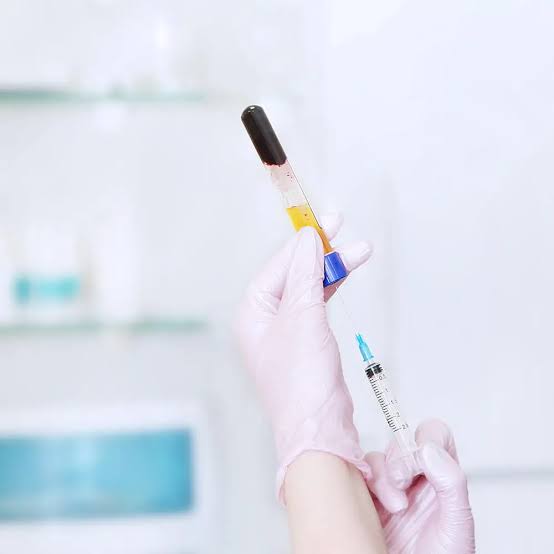
Direct Comparison: Cortisone Versus Platelet-Rich Plasma (PRP)
To determine which intervention best serves your long-term mobility goals, evaluating how cortisone shots and PRP therapy measure up against each other across critical clinical categories is essential:
- Primary Objective:
Cortisone: Focuses on an immediate, powerful suppression of local inflammation and short-term pain mitigation.
PRP Therapy: Focuses on initiating structural tissue regeneration, cellular healing, and addressing the root cause of joint deterioration.
Duration of Relief:
Cortisone: Offers temporary respite that generally spans from a few weeks to several months.
PRP Therapy: Promotes sustained, progressive recovery designed to deliver enduring functional improvement. - Tissue Impact:
Cortisone: Carries a catabolic risk; frequent or repeated applications can degrade cartilage and weaken surrounding soft tissues.
PRP Therapy: Stimulates natural cellular growth, collagen synthesis, and the repair of damaged tissue matrices. - Application Limits & Frequency:
Cortisone: Highly restricted typically capped at a strict number of annual injections per joint to prevent progressive structural breakdown.
PRP Therapy: Can be administered in a structured series of treatments to safely compound healing benefits over time. - Safety & Risk Profile:
Cortisone: Potential side effects include localized skin changes, temporary systemic blood sugar elevation, cartilage thinning, and tendon laxity.
PRP Therapy: Exceptional safety profile utilizing your own biological components, with side effects typically limited to transient soreness or mild bruising at the injection site.
Why Long-Term Healing Trumps Symptom Masking
When managing chronic conditions like osteoarthritis, tendonitis, or lingering sports injuries, choosing a treatment is a strategic decision regarding your future mobility. Masking pain with cortisone may offer a convenient temporary fix, but it does nothing to stop the underlying mechanical wear-and-tear. Over time, patients caught in the “cortisone cycle” often find themselves facing diminishing returns, escalating joint degradation, and eventually invasive surgical options like total joint replacement. Regenerative medicine shifts the paradigm entirely. By focusing on structural restoration, PRP therapy aims to improve joint stability, enhance cushioning, and restore smooth functionality. While regenerative healing takes time as cells require weeks to remodel tissue the resulting relief is structural, functional, and durable.
Comprehensive Care at Winter Park Regenerative Medicine
At Winter Park Regenerative Medicine, we believe that true wellness requires looking beyond isolated symptoms to evaluate the whole person. Our clinical approach is built on delivering advanced, personalized, and non-surgical solutions designed to help you regain your vitality and active lifestyle. When you schedule a consultation at our practice, our experienced team conducts a thorough evaluation of your clinical history, diagnostic imaging, and movement patterns. We recognize that no two joints and no two patients are alike. Depending on your specific presentation, our integrated treatment philosophies may combine targeted regenerative injections (such as PRP or advanced biologic options) with customized physical therapy recommendations, biomechanical corrections, and lifestyle guidance. By supporting cellular health from the inside out, we empower your body to do what it was naturally designed to do: heal.
Take the Next Step Toward Lasting Relief
Don’t settle for a temporary fix that leaves the root cause of your joint pain unaddressed. If you are tired of the cycle of temporary cortisone shots and want to explore a science-backed, regenerative pathway toward true healing, we are here to help. Schedule a Free Consultation with our expert team at Winter Park Regenerative Medicine today. Discover how personalized regenerative therapies like PRP can help you reclaim your mobility, protect your joints, and get back to living life on your own terms.