

The field of regenerative medicine has transformed the way healthcare professionals approach healing. Rather than focusing solely on symptom management, today’s regenerative therapies aim to support the body’s natural ability to repair, restore, and maintain healthy tissue. Among the most exciting scientific developments driving this evolution are exosomes microscopic extracellular vesicles that play a vital role in cellular communication. If you’ve searched “What are exosomes?”, you’re likely exploring innovative treatment options for joint pain, injury recovery, or overall wellness. While exosomes have attracted considerable attention in medical research, understanding what they are and how they function is essential before considering any regenerative therapy.
At Winter Park Regenerative Medicine, we prioritize patient education alongside advanced regenerative care. This comprehensive guide explains the science behind exosomes, their biological role, potential therapeutic applications, current research, and what patients should know before exploring regenerative medicine.
What Are Exosomes?
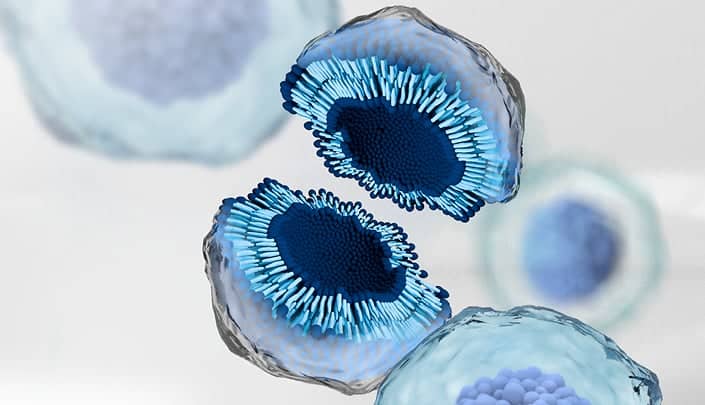
Exosomes are naturally occurring extracellular vesicles released by nearly every cell in the human body. Measuring approximately 30 to 150 nanometers, these membrane-bound particles are invisible to the naked eye but carry an extraordinary amount of biological information. Unlike living cells, exosomes cannot divide or reproduce. Instead, they function as sophisticated communication vehicles that transport proteins, lipids, enzymes, messenger RNA (mRNA), microRNA (miRNA), and other signaling molecules from one cell to another.
This continuous exchange of information allows tissues throughout the body to coordinate healing, regulate inflammation, maintain normal cellular activity, and respond to injury. Simply put, exosomes are the body’s natural messaging system, ensuring that cells work together efficiently to preserve health and restore damaged tissue whenever possible.
The Science Behind Cellular Communication
Every biological process inside your body depends on communication between cells. Whether you’re healing after an injury, fighting an infection, or simply maintaining healthy tissue, billions of cells are constantly exchanging biochemical instructions. Exosomes are among the body’s most efficient communication tools. After being released by a parent cell, an exosome travels through surrounding tissue or bodily fluids until it reaches a target cell. Once attached, it transfers its molecular cargo, influencing how that cell behaves. This communication may help regulate numerous biological processes, including:
- Cellular repair mechanisms
- Tissue regeneration
- Immune system activity
- Inflammatory responses
- Collagen production
- Blood vessel formation (angiogenesis)
- Cellular growth and maintenance
Rather than forcing tissues to heal, exosomes help optimize the body’s own regenerative processes by enhancing cellular communication.
Where Do Exosomes Come From?
Almost every type of human cell naturally produces exosomes as part of normal biological function. Common sources include:
- Stem cells
- Bone cells
- Cartilage cells
- Muscle cells
- Skin cells
- Nerve cells
- Fat cells
- Immune cells
- Blood vessel cells
Because stem cells naturally release high concentrations of regenerative signaling molecules, researchers have devoted significant attention to studying stem cell-derived exosomes for their potential therapeutic value. It is important to understand that exosomes are not stem cells. They are microscopic vesicles carrying biological instructions rather than living cells capable of reproducing or differentiating into other tissue types.
What Do Exosomes Contain?
The remarkable capabilities of exosomes stem from the complex molecular cargo they transport.
Growth Factors
Growth factors are naturally occurring proteins that regulate tissue repair, cellular growth, and recovery following injury.
Messenger RNA (mRNA)
Messenger RNA delivers genetic instructions that enable cells to manufacture specific proteins essential for normal function.
MicroRNA (miRNA)
MicroRNA helps regulate gene expression and may influence inflammation, tissue remodeling, and cellular repair.
Proteins and Enzymes
Exosomes contain numerous proteins involved in signaling pathways that coordinate communication between cells.
Lipids
Their protective lipid membrane shields sensitive biological material while facilitating efficient delivery into recipient cells. Together, these components create an intricate biological communication system that helps tissues adapt to changing physiological conditions.
Why Are Exosomes Important in Regenerative Medicine?
The primary objective of regenerative medicine is to enhance the body’s inherent ability to heal itself. Instead of replacing damaged tissue, regenerative therapies seek to stimulate natural biological processes that promote recovery. Exosomes have become an important focus because researchers believe their signaling molecules may help coordinate many aspects of tissue repair, including:
- Cellular regeneration
- Tissue remodeling
- Inflammatory regulation
- Healing responses
- Cellular maintenance
- Immune modulation
Although research remains ongoing, these biological characteristics have positioned exosomes as one of the fastest-growing areas of regenerative medicine.
Potential Benefits Being Investigated
Scientific research continues to explore how exosomes may support healing across multiple medical specialties. While additional large-scale clinical trials are needed, several potential benefits are currently under investigation.
Supporting Tissue Repair
Healthy tissue repair depends on coordinated communication between cells. Researchers are studying whether exosomes may enhance repair mechanisms in:
- Muscles
- Tendons
- Ligaments
- Cartilage
- Connective tissue
This research is particularly relevant for patients recovering from sports injuries or chronic musculoskeletal conditions.
Regulating Inflammation
Inflammation is a necessary part of healing, but excessive or prolonged inflammation may contribute to pain and delayed recovery. Some early studies suggest exosomes may influence inflammatory signaling pathways, helping maintain a more balanced healing environment. Researchers continue investigating exactly how these mechanisms function in different medical conditions.
Promoting Cellular Regeneration
As we age, cellular communication naturally becomes less efficient. Scientists are studying whether exosomes may help restore communication between aging cells, potentially supporting healthier tissue maintenance and regenerative activity.
Enhancing Skin Rejuvenation
The aesthetic medicine community has shown growing interest in exosomes because of their potential relationship with collagen synthesis and skin renewal. Research is exploring whether exosomes may contribute to improvements in:
- Skin texture
- Elasticity
- Hydration
- Recovery after cosmetic procedures
- Overall skin quality
Although early findings are encouraging, additional research is needed before definitive conclusions can be drawn.
Hair Restoration Research
Hair follicles depend on complex cellular signaling to maintain healthy growth cycles. Researchers are evaluating whether exosomes may influence follicular activity, scalp health, and hair density in certain individuals. Current evidence remains promising but investigational.
Medical Applications Under Investigation
Exosomes are currently being studied across numerous medical disciplines due to their unique biological properties. Areas of active research include:
- Osteoarthritis
- Joint degeneration
- Sports medicine
- Tendon injuries
- Ligament damage
- Chronic wound healing
- Dermatology
- Hair restoration
- Cardiovascular medicine
- Neurological disorders
- Autoimmune diseases
Many of these applications remain investigational and require further clinical validation before becoming standard medical practice.
Exosomes vs. Stem Cell Therapy
Although these therapies are frequently discussed together, they serve different biological purposes.
| Exosomes | Stem Cells |
|---|---|
| Cell-free biological vesicles | Living regenerative cells |
| Deliver molecular signals | Can develop into specialized cell types |
| Facilitate communication between cells | Participate directly in tissue regeneration |
| Do not reproduce | Capable of self-renewal |
| Focus primarily on signaling | Provide both signaling and regenerative capabilities |
Are Exosome Therapies Safe?
Because exosomes naturally exist within the human body, they possess characteristics that make them attractive for regenerative medicine research. Potential advantages include:
- Cell-free biological therapy
- Natural participation in cellular communication
- Low immunogenic potential
- Ability to transport therapeutic signaling molecules
However, patients should recognize that not every exosome product available today has received regulatory approval for all advertised uses. Clinical protocols, manufacturing standards, source materials, and quality assurance procedures can vary considerably between providers. Working with experienced regenerative medicine professionals ensures patients receive evidence-based guidance tailored to their individual health needs.
The Future of Exosome Research
Exosomes represent one of the most rapidly advancing areas in modern biomedical science. Researchers worldwide continue investigating their potential applications in:
- Orthopedic medicine
- Neurology
- Cardiology
- Dermatology
- Tissue engineering
- Precision medicine
- Drug delivery systems
- Personalized regenerative therapies
As scientific understanding continues to expand, exosomes may reshape how physicians approach tissue repair, chronic inflammation, and regenerative healthcare. While the future is promising, responsible clinical practice requires balancing innovation with evidence-based medicine.
Why Choose Winter Park Regenerative Medicine?
Choosing a regenerative medicine provider involves more than selecting a treatment, it means partnering with a team committed to personalized care and clinical excellence. At Winter Park Regenerative Medicine, every patient receives a comprehensive evaluation designed to identify the most appropriate regenerative solutions based on their unique health goals and medical history. Our commitment includes:
- Individualized treatment planning
- Advanced regenerative medicine solutions
- Evidence-informed clinical decision-making
- Patient-centered education
- Compassionate, experienced providers
- Comprehensive follow-up care
Whether you’re exploring regenerative options for joint discomfort, mobility concerns, or overall wellness, our team is dedicated to helping you make informed decisions with confidence.
Frequently Asked Questions
Are exosomes living cells?
No. Exosomes are microscopic extracellular vesicles that carry biological information between cells. They are not living organisms and cannot reproduce.
Why are exosomes important?
They facilitate communication between cells, helping regulate numerous biological processes involved in tissue maintenance, immune function, and healing.
Can exosomes replace stem cells?
No. Although closely related, exosomes and stem cells perform different biological functions and may serve complementary roles in regenerative medicine.
Are exosome therapies FDA-approved?
Many exosome-based therapies remain under investigation. Patients should consult qualified healthcare providers to understand current regulatory status and determine whether regenerative treatment is appropriate for their condition.
Who may benefit from learning about exosomes?
Individuals interested in regenerative medicine, joint health, injury recovery, sports medicine, wellness optimization, or innovative non-surgical treatment options often seek information about exosome research and emerging therapies.
Conclusion
Exosomes have emerged as one of the most compelling advancements in regenerative medicine because of their remarkable ability to facilitate communication between cells. By transporting proteins, RNA, growth factors, and other signaling molecules, these microscopic vesicles help coordinate many of the biological processes involved in tissue maintenance and repair. Although research continues to evolve, exosomes are expanding our understanding of how the body heals itself and may play an increasingly important role in future regenerative therapies. As scientific evidence grows, patients can expect continued advancements that prioritize safer, more targeted, and biologically driven approaches to healthcare.
At Winter Park Regenerative Medicine, we remain committed to providing compassionate, evidence-based regenerative care while helping patients navigate the latest innovations with clarity and confidence. If you’re interested in learning more about regenerative medicine or determining whether advanced therapies may be right for you, our experienced team is here to guide you every step of the way.